Quick Answer :
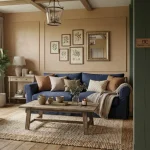
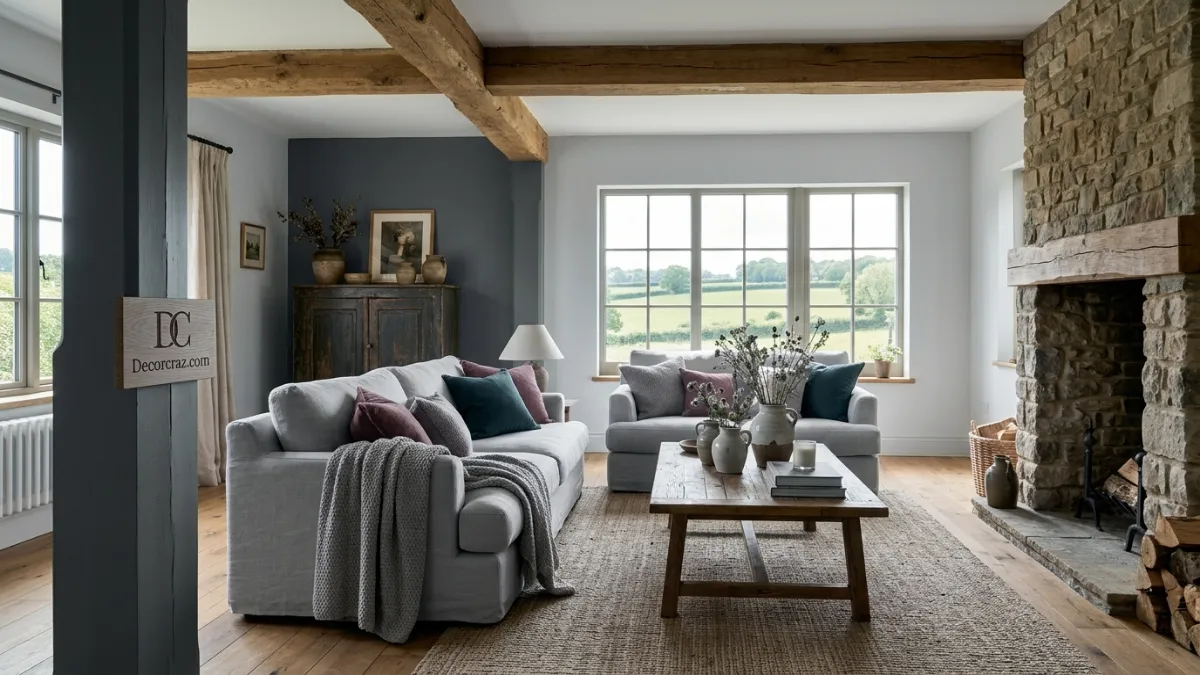
Farmhouse living room decor combines natural wood, warm neutral colors, comfortable furniture, vintage accents, and cozy textures. Elements like linen sofas, rustic coffee tables, shiplap walls, woven rugs, and farmhouse lighting help create a beautiful and welcoming living space.
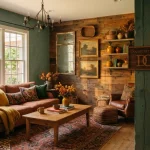
Farmhouse living room decor is a beautiful way to make your home feel warm, comfortable, and inviting. By combining natural wood, soft neutral colors, cozy furniture, and rustic accessories, you can create a relaxing space that feels both stylish and practical.
If you prefer a traditional farmhouse look or a modern design, simple details like linen sofas, wooden coffee tables, vintage artwork, textured rugs, and warm lighting can make a big difference. You don’t need a large budget or a countryside home to enjoy this style.
With the right furniture, colors, and decorative touches, you can transform an ordinary living room into a charming farmhouse inspired space.
What Makes a Farmhouse Living Room Look Beautiful?
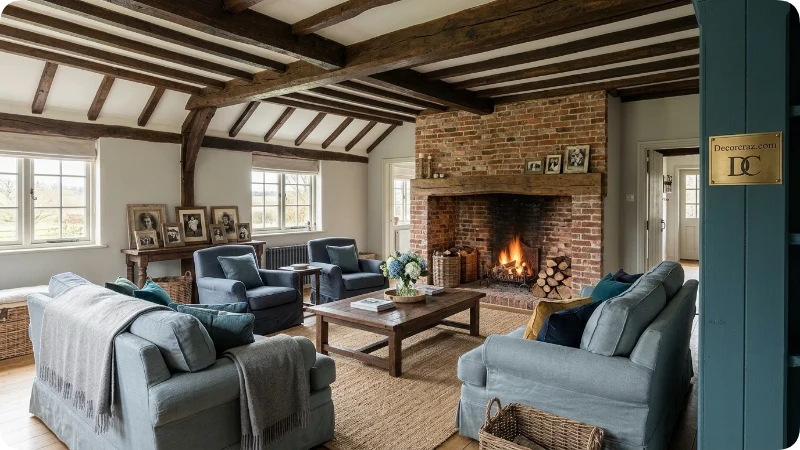
A farmhouse living room combines the warmth of traditional country interiors with practical, comfortable furnishings. Its character comes from natural materials, relaxed furniture, simple patterns, and a mixture of old and new decorative pieces.
Some farmhouse rooms have exposed wooden beams, brick fireplaces, or original timber floors. Others create a similar feeling through furniture, rugs, lighting, and accessories.
The most recognizable elements include:
- Natural wood: Coffee tables, shelving, side tables, and wooden frames.
- Warm neutral colors: Cream, beige, warm white, taupe, and soft gray.
- Comfortable seating: Linen style sofas, slipcovered furniture, and upholstered armchairs.
- Natural textures: Cotton, linen, wool, jute, leather, and woven materials.
- Vintage details: Antique furniture, aged brass, old frames, and handmade decorations.
- Simple architectural features: Shiplap, exposed beams, brick, and wooden mantels.
The important part is balance. Too many distressed finishes and country themed accessories can make a room feel like a display rather than a comfortable place to spend time.
Start With a Warm Neutral Color Palette
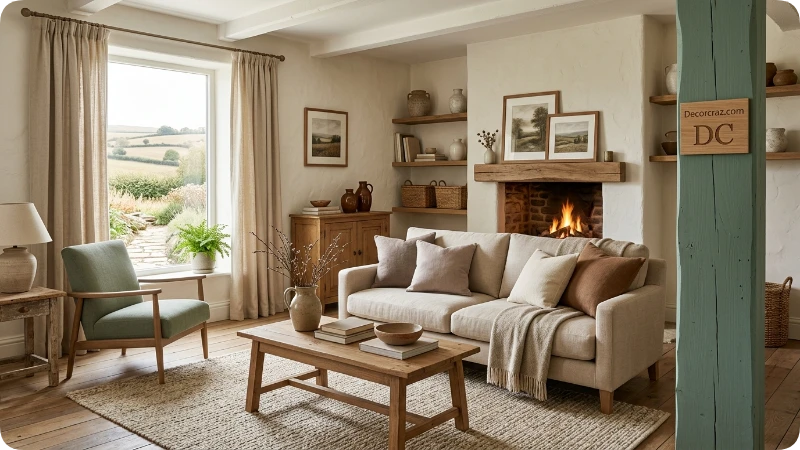
Color is one of the easiest ways to establish a farmhouse look. Warm neutrals create a calm background that allows wood furniture, textured fabrics, and vintage decorations to stand out.
Instead of using several unrelated shades, select one main wall color and build the rest of the room around it.
Consider these combinations:
| Main Color | Supporting Colors | Best Use |
| Warm white | Natural oak and beige | Bright, simple rooms |
| Cream | Tan and soft brown | Traditional farmhouse interiors |
| Greige | Charcoal and warm wood | Modern farmhouse rooms |
| Soft sage | Ivory and natural timber | Nature inspired spaces |
| Light taupe | Chocolate and linen | Richer, warmer interiors |
How to use the palette: Keep larger surfaces, such as walls and sofas, relatively neutral. Introduce stronger colors through cushions, artwork, curtains, or an accent chair.
If your room receives limited daylight, avoid combining several cool grays with bright white. Creamy whites and warmer wood tones can help the space feel less stark.
Choose a Comfortable Linen or Slipcovered Sofa
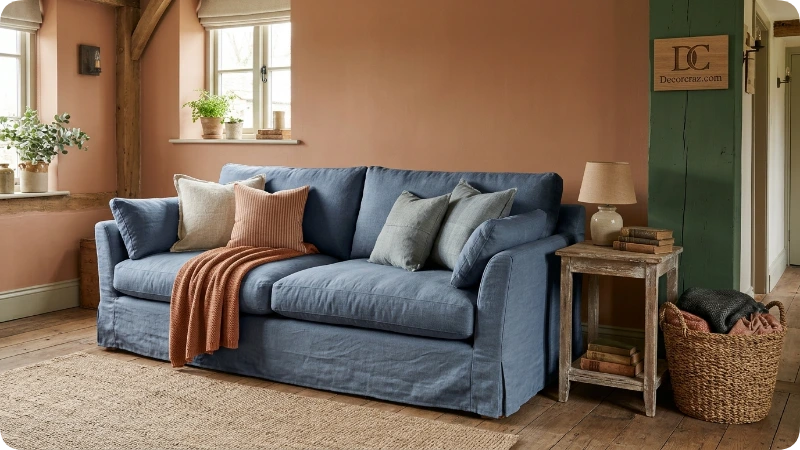
The sofa usually occupies a large part of the living room, so its shape, color, and fabric influence the entire design.
A cream or beige slipcovered sofa is a practical choice for a relaxed farmhouse interior. Its simple appearance works with traditional wooden furniture as well as cleaner modern pieces.
Look for:
- Comfortable cushions with supportive construction.
- Neutral upholstery that works with your existing colors.
- Removable covers when easy cleaning is important.
- Simple arms and shapes rather than overly decorative details.
- A size that leaves enough room for walking around the seating area.
For a family living room, choose a fabric that suits everyday use. A beautiful light colored sofa is less useful if its material is difficult to maintain.
You can also update an existing sofa with neutral cushion covers and a textured throw instead of replacing the furniture.
Add a Rustic Wooden Coffee Table
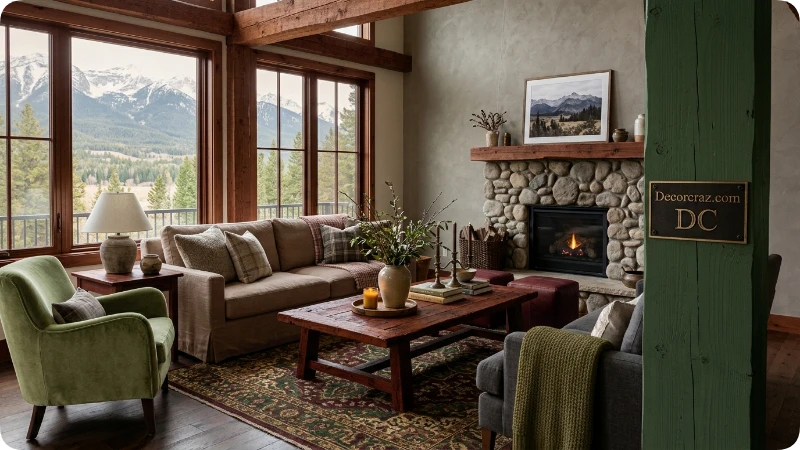
A wooden coffee table can become the visual center of a farmhouse living room. Its natural grain introduces warmth and provides contrast against soft upholstery.
Reclaimed wood, oak, pine, and other natural looking finishes can all work. The best choice depends on the existing furniture and the amount of visual weight your room can handle.
For example, a substantial rectangular coffee table works well in a larger seating arrangement. A round wooden table may be more suitable when people need to move around a compact seating area.
Style the surface with a small tray, a ceramic vase, or a couple of useful objects. Leave enough open space for drinks, books, and everyday activities.
Design tip: If your sofa and floor are both light, choose a medium or darker wood finish to create contrast. If the room already contains dark furniture, a lighter table can prevent the interior from feeling heavy.
Create a Farmhouse Shiplap Accent Wall
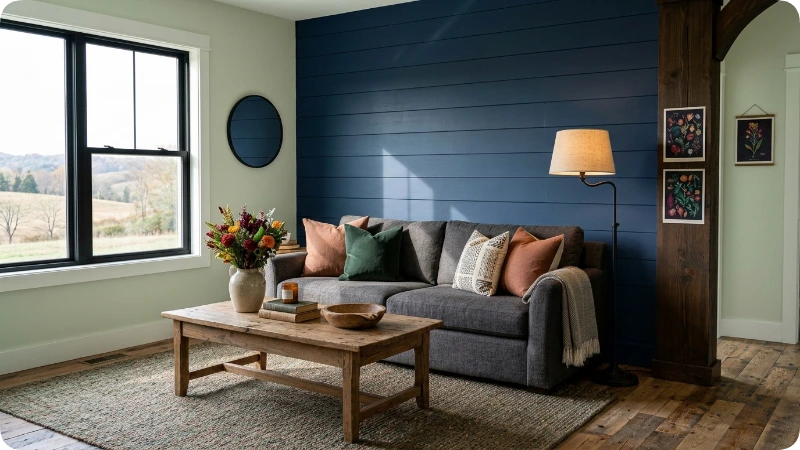
Shiplap is a recognizable farmhouse feature because its horizontal boards add texture without requiring complicated decoration.
A shiplap wall can work behind a sofa, around a fireplace, or on a selected feature wall. Painting it warm white keeps the appearance simple and allows the furniture to remain the main focus.
There are several ways to introduce this detail:
- Install traditional wooden boards for a permanent renovation.
- Use suitable decorative wall panels for a simpler installation.
- Consider removable wallpaper with a plank effect if your rental agreement permits it.
- Paint existing paneling instead of adding another material.
You don’t need shiplap on every wall. Covering the entire room can make the design feel repetitive, particularly when the furniture and accessories already have strong textures.
If you prefer a different appearance, board and batten paneling or a simple painted wall can provide architectural interest without copying the traditional shiplap look.
Decorate With Natural Farmhouse Textures
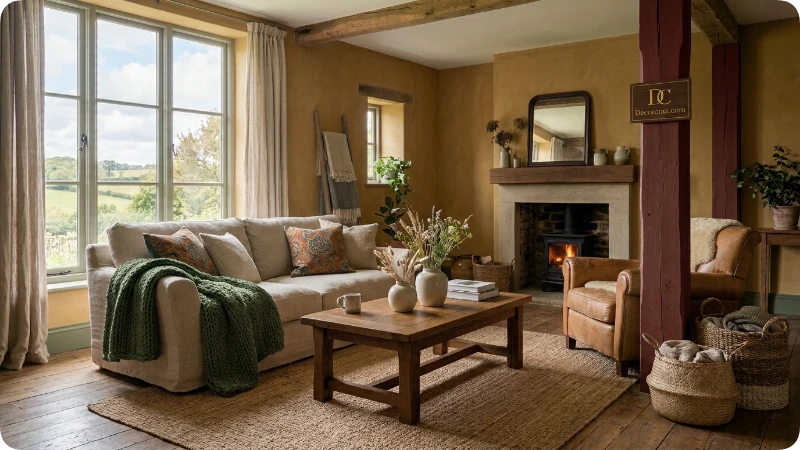
Texture gives a neutral farmhouse room depth. When several large surfaces share similar colors, different materials help the space feel visually interesting.
You can introduce texture through:
- A jute or woven area rug beneath the seating.
- Linen curtains around the windows.
- Cotton or knitted throws on the sofa.
- Woven baskets for practical storage.
- Natural wood furniture with visible grain.
- Leather accents for a richer finish.
The key is to give every material a purpose. A rug defines the seating area, curtains soften the windows, and a basket can store blankets or children’s toys.
Avoid using too many rough or heavily distressed finishes together. Balance them with smooth ceramics, clean furniture shapes, and soft upholstery.
Use a Wooden Farmhouse Fireplace as the Focal Point
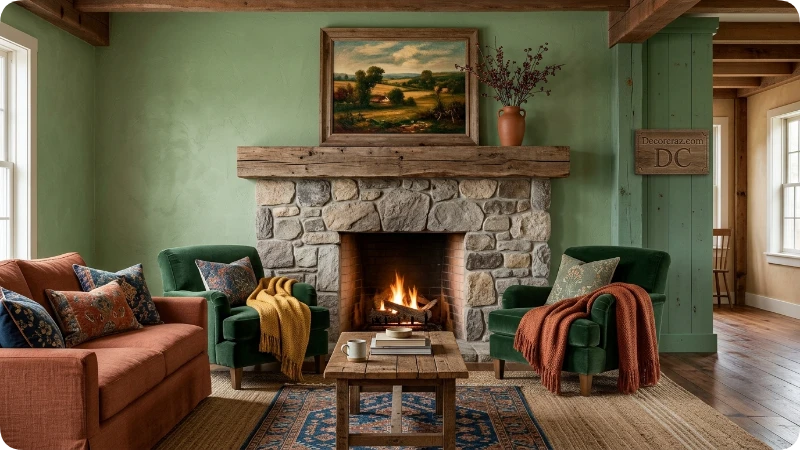
If your living room has a fireplace, it can provide a natural focal point for the entire arrangement.
A stone, brick, or simply finished fireplace works well with farmhouse furniture because its material adds visual character. A wooden mantel can introduce another natural element without making the room feel overly decorated.
For the mantel, consider:
- One larger framed artwork or mirror.
- A simple ceramic vase.
- A small arrangement of natural branches.
- A restrained selection of decorative objects.
Keep appropriate clearance around the fireplace according to its manufacturer and installation requirements. Never place flammable decorations where they could be exposed to heat or flames.
No fireplace? Create a similar focal point with a large piece of artwork, a wooden console, or a carefully arranged seating wall.
Add Vintage Furniture for Character

Farmhouse interiors often look more interesting when they include furniture with a sense of history. A vintage cabinet, antique side table, or old wooden chest can make a modern room feel more personal.
You don’t need a complete collection of antique furniture. One distinctive piece can provide enough contrast.
For example, place an older wooden cabinet against a simple cream wall. Its darker finish and aged surface will stand out against newer furniture.
When choosing vintage pieces, consider their actual condition. Check for unstable legs, damaged joints, sharp edges, and signs of pests before bringing secondhand furniture into your home.
If genuine antiques are outside your budget, consider secondhand wooden furniture or pieces with a naturally aged finish.
Choose a Farmhouse Area Rug That Defines the Seating Space

An area rug helps connect the sofa, coffee table, and chairs into one seating arrangement. It also introduces color and texture without requiring permanent changes.
For a farmhouse living room, consider:
- Natural jute rugs for an organic appearance.
- Wool rugs for a softer surface.
- Faded traditional patterns for a vintage inspired look.
- Neutral striped rugs for a simple country feel.
- Flatwoven rugs for a less bulky appearance.
The rug should be large enough to visually connect the main furniture pieces. Ideally, the front legs of the sofa and nearby chairs should rest on it.
Before buying, measure the seating area rather than selecting a rug based only on the size of the coffee table.
For homes with children or pets, washable or easy to clean materials may be more useful than delicate natural fibers.
Decorate the Walls With Simple Farmhouse Artwork
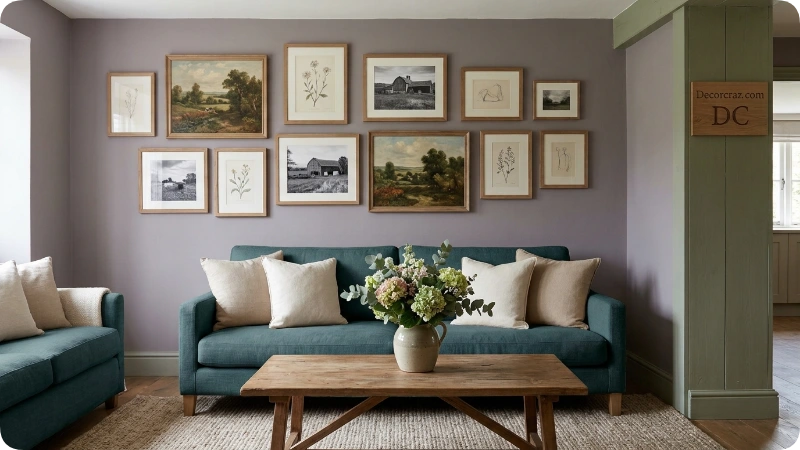
Wall artwork helps give a farmhouse living room its own personality. Instead of covering every empty wall, select pieces that connect with the room’s colors and furniture.
Some suitable options include:
- Vintage landscape paintings.
- Botanical illustrations.
- Black and white countryside photography.
- Simple framed sketches.
- Large neutral abstract artwork.
- A small collection of wooden framed pictures.
A single oversized artwork can look more balanced above a large sofa than several small unrelated frames.
For a gallery wall, keep the frames connected through similar finishes or colors. This creates a more organized appearance even when the artwork itself is different.
You can also introduce a wooden mirror if you want to reflect natural light and visually open up the space.
Use Farmhouse Lighting to Create a Comfortable Atmosphere
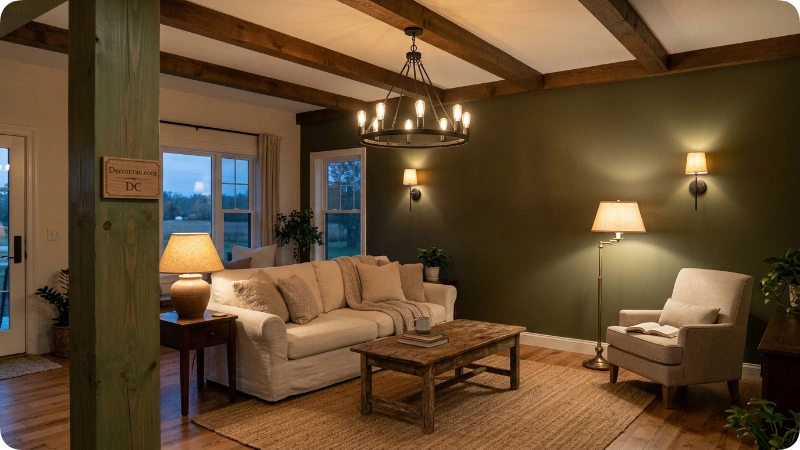
Lighting changes how farmhouse colors and materials appear throughout the day. A room with only one bright ceiling fixture can feel flat, even when its furniture and decorations are well chosen.
Use different light sources for different activities.
Ceiling lighting: A simple iron chandelier or pendant can provide general illumination and become a decorative feature.
Table lamps: Place a lamp on a side table or console to create a comfortable reading or evening area.
Floor lamps: These are useful beside an armchair or in a corner where overhead lighting doesn’t reach comfortably.
Wall sconces: They can add focused light around a fireplace or artwork when suitable installation points are available.
Warm white bulbs are often a good starting point for a farmhouse interior. Around 2700K is a useful lighting guideline for a warmer residential appearance, although the final choice depends on the room and personal preference.
Bring in Greenery and Natural Decorations
Plants introduce color into a neutral farmhouse living room and help connect the interior with the natural materials used throughout the design.
A medium sized floor plant can fill an empty corner, while a smaller plant can work on a console or side table.
You can also use:
- Fresh branches in a ceramic vase.
- Dried grasses in a simple floor container.
- Seasonal flowers on a coffee table.
- Small potted plants on a windowsill.
- Natural wood or stone decorative objects.
Choose plants according to the available light and your ability to care for them. If the room receives little natural sunlight, select an appropriate low light plant rather than placing a sun loving variety in an unsuitable corner.
Keep plant containers proportionate to the furniture around them. A very large planter can overwhelm a small side table or narrow walkway.
Style Farmhouse Shelves Without Creating Clutter
Open shelves provide useful storage while giving you space to display personal decorations.
Natural wood shelves work particularly well against warm white walls. They create contrast and connect with the wooden furniture used elsewhere in the room.
A practical arrangement might include:
- A few books are placed vertically or horizontally.
- One or two ceramic pieces.
- A small framed photograph.
- A modest plant.
- A decorative object with personal meaning.
Leave some empty space between objects. If every shelf is filled, the display can compete with the rest of the room.
For a cleaner appearance, use closed cabinets for everyday items and reserve open shelves for objects you actually want to display.
Introduce Black Metal and Warm Brass Accents
Wood and neutral fabrics provide softness, but a farmhouse room can sometimes lack definition when every surface has a similar light color.
Black metal and warm brass accents provide contrast.
You can introduce these finishes through:
- A black iron chandelier.
- Dark metal curtain rods.
- A brass table lamp.
- Metal cabinet handles.
- A simple iron framed mirror.
- Decorative hardware on wooden furniture.
Black finishes generally create stronger contrast, while brass adds a warmer decorative note.
You don’t need to use both everywhere. Choose one dominant metal finish and introduce the other only when it complements the existing room.
Add Comfortable Seating and a Small Reading Corner
A farmhouse living room should support everyday activities rather than simply look attractive in photographs.
An unused corner can become a reading area with a comfortable armchair, a small side table, and a suitable lamp.
Choose a chair that complements the main sofa without needing to match it exactly. A tan leather chair can add warmth to a cream living room, while a neutral upholstered chair creates a softer appearance.
Keep enough space around the seating for comfortable movement. Avoid placing a large chair where it blocks a doorway, window, or main walking route.
This arrangement works particularly well when the living room is large enough to accommodate more than one activity without making the central seating area feel crowded.
Finish With Personal and Meaningful Farmhouse Accessories
The final decorations should make the room feel connected to the people who use it.
Rather than purchasing a large collection of matching farmhouse accessories, choose objects that have a practical or personal purpose.
Consider displaying:
- Family photographs in simple wooden frames.
- Handmade ceramic bowls.
- Books you enjoy reading.
- A vintage wooden tray.
- A meaningful secondhand decoration.
- A few seasonal natural elements.
You can also use decorative accessories to introduce small amounts of color. Muted green, dusty blue, rust, and warm brown can all work with a neutral farmhouse foundation.
Avoid filling every available surface with signs, miniature houses, and artificial rustic objects. The room will feel more natural when decorations have enough space around them.
How to Put Together a Farmhouse Living Room Without Overspending
You don’t have to replace all your furniture to create a farmhouse interior. Start with the pieces that have the biggest visual impact and make smaller changes over time.
A useful decorating order is:
- Start with what you own: Identify furniture that already has natural wood finishes, neutral upholstery, or simple shapes.
- Choose your color palette: Select two or three main colors that work with your existing walls and flooring.
- Refresh the seating: Add neutral cushion covers, a throw, or a washable sofa cover.
- Define the seating area: Introduce a suitable rug and arrange furniture around a focal point.
- Add one character piece: Choose a vintage cabinet, wooden coffee table, or distinctive artwork.
- Improve the lighting: Add a table lamp or floor lamp where additional light is useful.
- Edit the decorations: Remove accessories that don’t contribute to the overall arrangement.
This approach helps prevent unnecessary purchases. It also gives you time to understand how the room works before committing to expensive furniture or permanent renovations.
Common Farmhouse Decorating Mistakes to Avoid
A farmhouse living room can lose its character when every item follows the same rustic theme. The goal is to create a comfortable home, not reproduce a showroom.
Watch out for these common mistakes:
| Decorating Mistake | Better Approach |
| Using too many distressed objects | Combine aged pieces with clean furniture |
| Decorating every wall with signs | Choose meaningful artwork or one focal piece |
| Making everything white | Add warm wood, beige, and earthy accents |
| Buying oversized furniture | Measure the room before purchasing |
| Using too many competing patterns | Choose one main pattern and supporting textures |
| Filling every shelf | Leave negative space between decorations |
| Relying on one ceiling light | Add lamps for more flexible lighting |
| Mixing too many wood finishes | Repeat a few compatible wood tones |
The most important principle is to keep the room functional. Beautiful decorations should never make it difficult to walk, sit, store everyday belongings, or use the furniture comfortably.
Final Farmhouse Living Room Styling Checklist
Before considering your decorating project complete, review these practical details:
- The main furniture fits the available floor space.
- The color palette feels connected throughout the room.
- The sofa and seating arrangement support everyday use.
- The rug connects the main seating pieces.
- Wood and fabric textures provide visual contrast.
- Lighting works for both daytime and evening activities.
- The focal wall or main artwork has suitable proportions.
- Decorative objects have enough breathing room.
- Storage is available for everyday belongings.
- Walkways, doors, and windows remain accessible.
You don’t need every farmhouse feature on this list. Choose the details that solve actual problems in your living room and support the style you want.
Frequently Asked Questions
Can you create a farmhouse living room without a fireplace?
Yes. A fireplace is not essential to farmhouse decorating. You can create a focal point with a large artwork, a wooden console, an attractive furniture arrangement, or a textured feature wall. The important thing is to give the room one clear visual center.
How can you make farmhouse decor look less traditional?
Choose simpler furniture silhouettes, cleaner wall finishes, and fewer decorative accessories. Pair natural wood with modern upholstery, understated lighting, and contemporary artwork. This creates a more modern farmhouse appearance without removing the warmth of traditional materials.
What wood finishes work best with farmhouse furniture?
Natural oak, pine, reclaimed wood, and medium brown finishes are useful choices. The best combination depends on your existing floors and furniture. Repeating a few compatible wood tones usually creates a more connected appearance than introducing many unrelated finishes.
Conclusion
Farmhouse living room decor is all about creating a comfortable and welcoming space with natural materials, warm colors, and simple decorative touches. From cozy linen sofas and rustic wooden coffee tables to vintage furniture, textured rugs, and beautiful lighting, every detail can add character to your home. You don’t need a large budget or a traditional farmhouse to enjoy this style.
Start with a few changes that suit your space, such as adding neutral cushions, choosing natural wood accents, or decorating an empty wall with farmhouse artwork. Keep the furniture practical and avoid unnecessary clutter. With thoughtful choices, you can create a farmhouse living room that feels warm, personal, and beautiful for everyday living.

I am Claudia Winkle, a passionate Name Researcher and Content Writer at decorcraz.com. I enjoy exploring the meanings, origins, history, and cultural significance behind names from around the world. Through carefully researched and engaging articles, I help readers discover unique names, understand their stories, and find meaningful naming inspiration for every occasion. My goal is to make name research simple, interesting, and useful for readers looking for the perfect name.