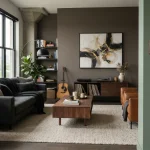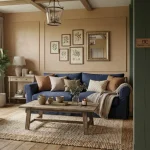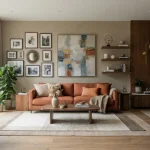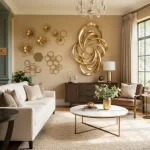
Quick Answer :
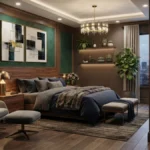
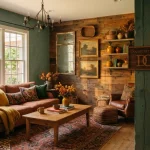
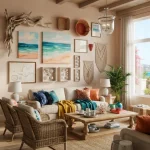
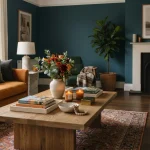
The best wall decor ideas for living room spaces include large statement artwork, gallery walls, decorative mirrors, wooden panels, sculptural wall art, woven hangings, accent walls, wallpaper, wall sconces, calligraphy, floating shelves, fireplace decorations, picture ledges, botanical prints, and decorative clocks. Choose designs that complement your furniture, wall size, color scheme, and budget.
Looking for beautiful ways to decorate your living room walls? The right wall decorations can turn empty spaces into attractive focal points and give your home a more personal touch.
From oversized artwork and stylish mirrors to wooden panels, gallery walls, and decorative lighting, there are plenty of creative options to explore. You don’t need an expensive makeover to achieve a beautiful result.
In this guide, discover 15 inspiring living room wall decor ideas, along with practical styling tips to help you create a balanced, welcoming, and visually appealing space.
Decorate Your Living Room Wall with Large Statement Artwork
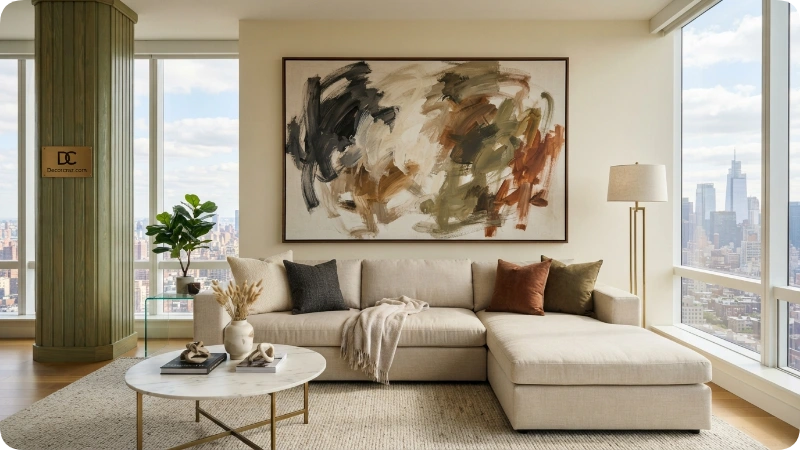
Large statement artwork is one of the easiest ways to give an empty living room wall a clear focal point. Instead of hanging several small decorations, you can use one oversized painting that immediately attracts attention.
Abstract paintings, landscape artwork, modern canvas prints, and colorful artistic designs are all suitable choices. The important thing is to select artwork that complements your furniture and existing color scheme.
For example, if your living room has a beige sofa and light colored walls, you can choose artwork featuring brown, cream, black, or soft green shades. If your furniture is simple, a colorful painting can introduce an interesting contrast.
Ways to style large wall artwork:
- Hang a horizontal painting above your main sofa.
- Choose a large abstract canvas for a modern living room.
- Use nature inspired artwork to introduce softer colors.
- Select a frame that matches your furniture or lighting fixtures.
- Leave enough empty space around the artwork so it remains the main attraction.
A useful guideline is to choose artwork that covers approximately 60–75% of the width of the furniture underneath it. This creates a visual connection between the artwork and the seating area without making the painting look too small or oversized.
Create a Beautiful Living Room Gallery Wall
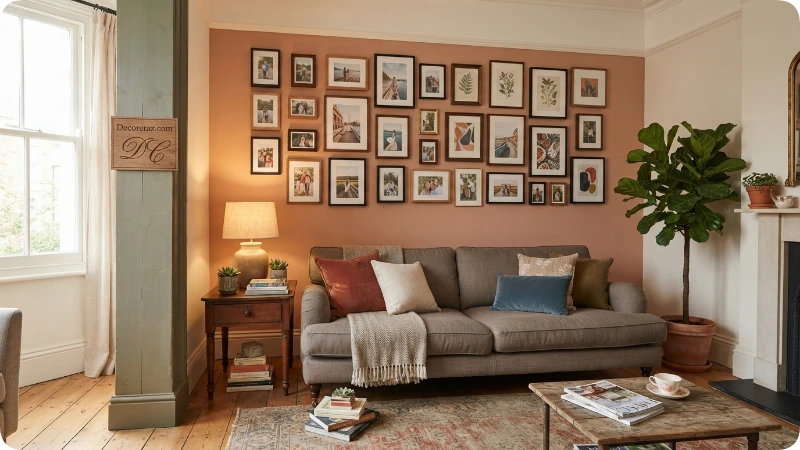
A gallery wall is a creative way to display multiple pictures, photographs, and decorative prints in one organized arrangement. It works particularly well when you want your living room to reflect your personality and memories.
You can combine family photographs, travel pictures, botanical illustrations, inspirational artwork, and abstract prints. Rather than placing frames randomly, arrange them in a planned composition.
Start by selecting different frame sizes. Place the largest picture near the center and arrange smaller frames around it. You can use matching black frames for a modern appearance or combine wooden and metallic frames for a more decorative look.
Gallery wall styling ideas:
- Create a symmetrical arrangement with matching frames.
- Mix horizontal and vertical pictures for variety.
- Use family photographs to make the display personal.
- Combine artwork with small decorative prints.
- Keep similar spacing between the frames.
If you have a narrow living room wall, a vertical gallery arrangement can make better use of the available space. For a wider wall above a sofa, a horizontal arrangement is usually easier to balance.
Use Decorative Mirrors to Make Your Living Room Look Bigger
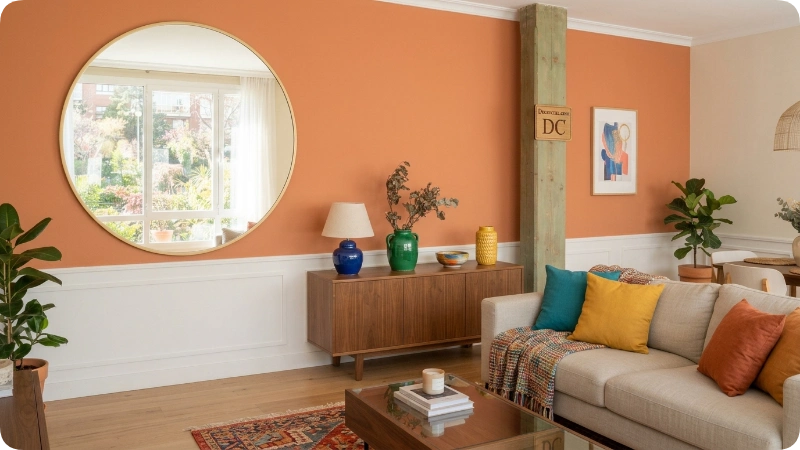
Decorative mirrors are both functional and attractive. They reflect light, introduce interesting shapes, and can make a smaller living room feel more open.
A large round mirror above a console table is a simple way to decorate an otherwise empty wall. You can also choose rectangular, oval, arched, or geometric mirrors depending on your interior style.
For a modern living room, a thin black or gold frame can create a clean appearance. Wooden frames work well with natural furniture, while frameless mirrors suit simpler interiors.
Different ways to decorate with mirrors:
- Hang a large round mirror above a console table.
- Place an oversized mirror opposite or near a window to reflect daylight.
- Use two matching mirrors to create a balanced arrangement.
- Choose a decorative mirror above a fireplace.
- Combine a mirror with a small table lamp and a few accessories.
Pay attention to what the mirror reflects. Positioning it toward a window or attractive part of the room can improve the overall effect. If it reflects clutter, it may make that clutter more noticeable.
Add Modern Wooden Wall Panels
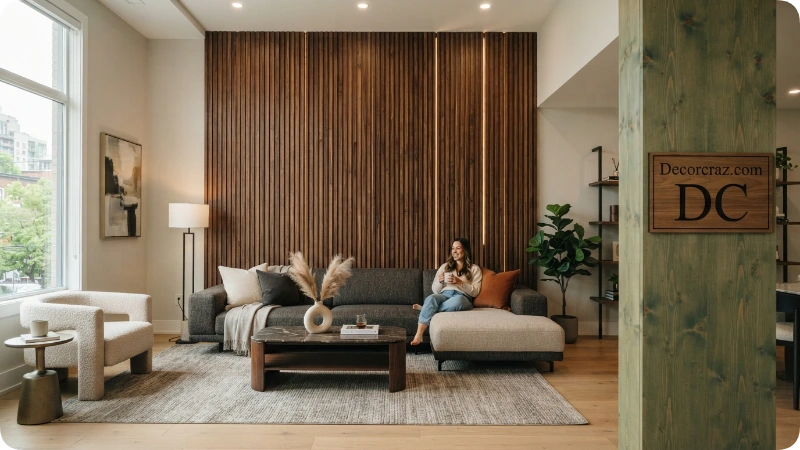
Wooden wall panels can completely change the appearance of a plain living room wall. They add visible texture and create a decorative background without requiring multiple paintings or accessories.
Vertical wooden slats are particularly useful when you want to emphasize the height of a wall. They also create a natural contrast with smooth furniture, glass tables, and simple upholstery.
You can select light oak, walnut, dark brown, or painted wooden panels according to your interior color scheme.
Popular wooden wall panel designs:
- Vertical wood slats behind the main sofa.
- Geometric wooden panels for a contemporary interior.
- Decorative fluted panels behind a console.
- Half wall wooden paneling for a traditional appearance.
- Light wood panels for a natural and airy look.
If you want a simple design, use wooden panels on one section instead of covering the entire wall. This keeps the feature noticeable without competing with other decorations.
Remember that permanent wall paneling requires more installation work than artwork or mirrors. If you rent your home, consider lightweight removable alternatives after checking their suitability for your wall surface.
Decorate with 3D Sculptural Wall Art
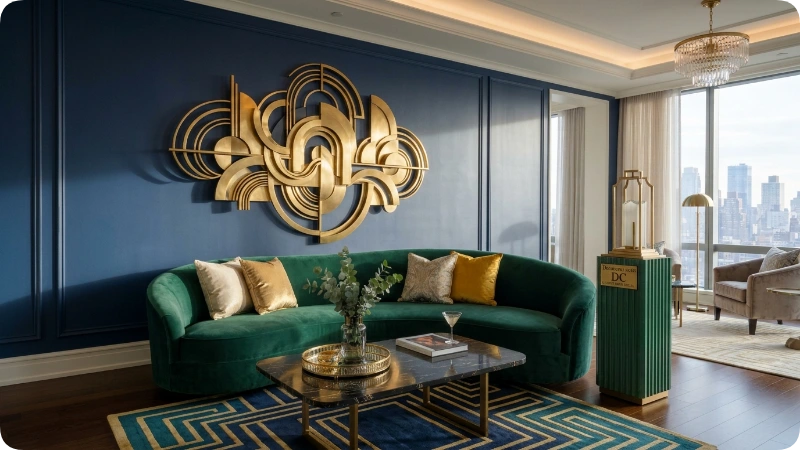
Three dimensional wall art is a great option when ordinary paintings and framed photographs do not match your decorating preferences. These decorative pieces project from the wall and create depth through their shapes, materials, and shadows.
You can find sculptural wall decorations made from metal, wood, ceramic, and other materials. Some feature abstract geometric shapes, while others use natural forms such as leaves, flowers, and branches.
For example, a gold metal sculpture can create a decorative focal point against a plain cream wall. A carved wooden piece can add texture to a modern living room with neutral furniture.
How to use sculptural wall art:
- Hang one large sculpture above the sofa.
- Choose geometric designs for contemporary interiors.
- Use wooden sculptures to complement natural furniture.
- Select metal wall decorations for a contrasting finish.
- Leave enough space around the sculpture to highlight its shape.
Avoid combining too many large sculptural pieces on the same wall. A single well positioned decoration can create a stronger visual effect than several unrelated objects.
Hang Woven Wall Decor for a Natural Look
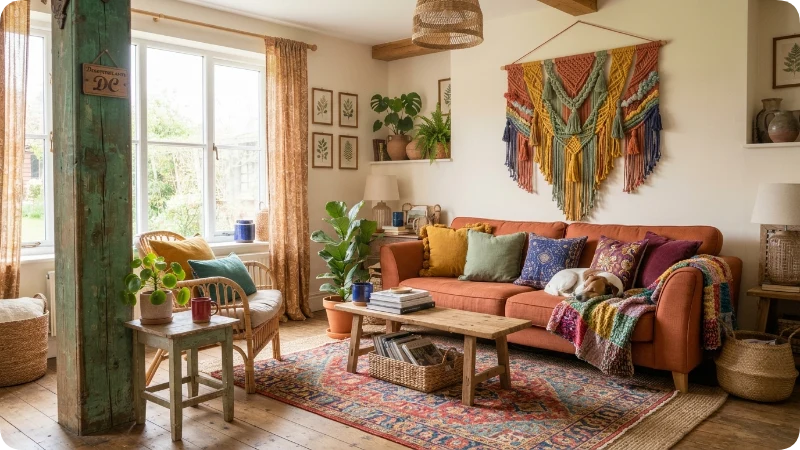
Woven wall decorations are ideal for adding texture to a living room. They provide a softer alternative to framed paintings and work particularly well in bohemian, rustic, Scandinavian, and natural style interiors.
Macrame hangings, woven baskets, fabric tapestries, and decorative textile panels are popular options. Their different patterns and textures can make a plain wall more interesting.
Choose a cream or beige textile hanging for a neutral interior, or select a colorful woven design if your living room needs more visual contrast.
Creative textile wall decoration ideas:
- Hang a large macrame piece above your sofa.
- Arrange decorative woven baskets in a planned pattern.
- Use a colorful fabric tapestry as a focal point.
- Choose natural fibers to complement wooden furniture.
- Combine different woven textures without overcrowding the wall.
A large textile hanging can also help soften a room that contains many smooth surfaces, such as glass, metal, and polished wood.
Keep fabric decorations away from fireplaces, heaters, and other heat sources.
Paint an Accent Wall in a Beautiful Color
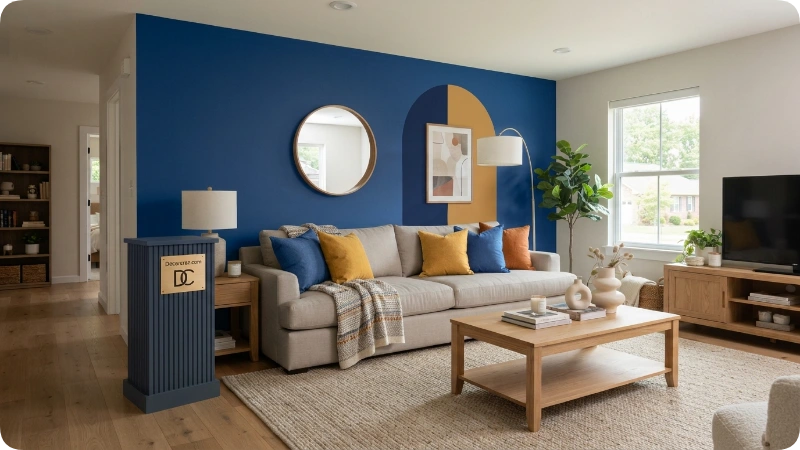
Sometimes, the best way to decorate a living room wall is to change its color. An accent wall can introduce contrast and give your seating area a more defined appearance without adding many decorative objects.
You can select a bold color or a softer shade depending on your furniture and the amount of natural light in the room.
For example, sage green works well with natural wood and cream furniture. Terracotta can add warmth, while navy blue creates a deeper contrast against lighter furniture.
Accent wall color ideas:
- Sage green for a natural interior.
- Warm beige for a soft neutral appearance.
- Terracotta for a warm decorative feature.
- Navy blue for a stronger color contrast.
- Muted gray for a simple contemporary look.
You can also experiment with painted arches, geometric patterns, or color blocked designs. A painted arch behind a console table can create a decorative focal point without covering the entire wall.
Before choosing a paint color, compare samples under both daylight and artificial lighting. The same shade can appear different depending on the room’s brightness.
Use Stylish Wallpaper for a Decorative Feature Wall
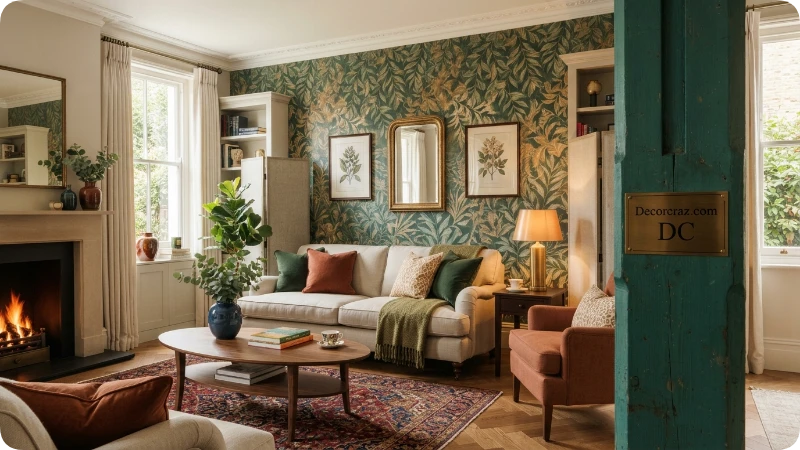
Wallpaper is an excellent way to introduce patterns, colors, and decorative details into your living room. It offers more design choices than ordinary paint and can make a simple wall look more detailed.
You can choose floral patterns, botanical prints, geometric designs, textured wallpaper, or subtle neutral patterns.
For a modern living room, soft geometric wallpaper can create visual interest without making the room feel too busy. If you prefer traditional decoration, floral or nature inspired patterns can give the space a more decorative appearance.
Wallpaper designs to consider:
- Botanical wallpaper for a nature inspired interior.
- Geometric patterns for modern living rooms.
- Textured wallpaper for subtle surface detail.
- Floral prints for traditional decorating styles.
- Neutral wallpaper for a quieter background.
You do not have to cover every wall. Applying wallpaper behind the sofa or around a particular seating area can create a feature without overwhelming the room.
For rented properties, removable wallpaper may be worth considering. Always check the manufacturer’s instructions and test the material on an appropriate surface before applying it to a large area.
Install Decorative Wall Sconces for Extra Lighting
Wall sconces offer a practical way to combine lighting with decoration. Unlike table lamps, they use wall space and can highlight artwork, seating areas, and architectural details.
A pair of matching sconces on either side of a large painting creates a balanced arrangement. You can also place one decorative wall light beside an armchair or near a reading corner.
Different finishes create different appearances. Brass and gold fixtures introduce warm metallic details, while matte black sconces provide contrast against light walls.
Wall lighting ideas:
- Place matching sconces beside a large painting.
- Install a decorative light near a reading chair.
- Use adjustable wall lights for focused reading.
- Choose plug in sconces if permanent electrical installation is unsuitable.
- Match the fixture finish with nearby furniture hardware.
Think about the direction of the light before installing a fixture. Some sconces spread light across the wall, while others direct it upward or downward.
For hardwired fixtures, use a qualified electrician rather than attempting unsafe electrical installation.
Display Beautiful Calligraphy and Typography Wall Art
Calligraphy and typography wall art can make a living room feel more personal. These decorations allow you to display meaningful words, poetry, cultural artwork, or inspirational messages.
Islamic calligraphy, Arabic lettering, Urdu poetry, and minimalist typography are all possible choices. You can select a large framed design for the main wall or create a smaller arrangement with several coordinated pieces.
For a modern living room, black and white calligraphy can create a simple and elegant contrast. Gold lettering can introduce a decorative accent, especially when combined with neutral walls and warm furniture.
Ways to style calligraphy wall art:
- Display one large calligraphy frame above the sofa.
- Choose a design that reflects your personal values.
- Use a simple frame to keep attention on the lettering.
- Coordinate the frame with nearby furniture finishes.
- Leave enough space around the artwork so the words remain easy to appreciate.
Choose meaningful designs rather than filling the wall with random lettering. This makes the decoration more personal and gives the display a clear purpose.
Add Floating Shelves for Decorative Displays
Floating shelves are a practical decorating choice when you want to display small accessories while keeping the floor free. They provide space for decorative objects, books, framed photographs, and small plants.
You can install one long shelf above a console or arrange two or three shelves vertically on a narrow wall. Wooden shelves look attractive in natural interiors, while white or black shelves can complement modern spaces.
Ideas for decorating floating shelves:
- Display a few favorite books horizontally and vertically.
- Add small framed photographs.
- Use ceramic vases for decorative detail.
- Place lightweight decorative objects at different heights.
- Include one small plant where suitable light is available.
The key is to avoid filling every inch of shelf space. Leave some open areas so the objects remain visible and the arrangement does not look crowded.
Check the shelf’s weight capacity and use fixings suitable for the wall material. Heavy objects should not be placed on inadequately supported shelves.
Create a Stylish Fireplace Feature Wall
If your living room has a fireplace, the wall surrounding it can become the main decorative feature. Instead of decorating every section separately, build one coordinated arrangement around the fireplace.
A large framed painting above the mantel is a simple option. You can also use a decorative mirror, stone finishes, wall panels, or symmetrical accessories.
For a modern interior, a simple fireplace surrounded with a large artwork creates a clean appearance. A traditional room may look better with decorative molding and a framed mirror.
Fireplace wall decoration ideas:
- Hang a large artwork above the mantel.
- Add decorative molding around the fireplace.
- Use stone or textured finishes as a background.
- Place matching wall lights on either side.
- Style the mantel with a few appropriately sized accessories.
Always follow the fireplace manufacturer’s clearance instructions. Artwork, textiles, wooden decorations, and other combustible materials must be kept at safe distances from heat sources.
Use Picture Ledges for Flexible Wall Styling
Picture ledges offer an alternative to hanging every artwork separately. Instead of fixing multiple frames directly to the wall, you can place them on a narrow shelf designed to support framed pictures.
This arrangement makes it easier to change artwork whenever you want a different look. You can layer a large frame at the back and place a smaller picture in front.
Picture ledges are especially useful for people who enjoy changing their decorations regularly.
How to style picture ledges:
- Combine two or three frames of different sizes.
- Layer artwork without covering important details.
- Add a small decorative object between frames.
- Repeat similar frame colors for a coordinated look.
- Use one long ledge instead of several separate shelves.
Make sure the ledge is securely installed and that the frames cannot easily slide or fall, especially in homes with children or pets.
Decorate with Nature Inspired Wall Art
Nature inspired artwork is a simple way to introduce organic shapes and colors into your living room. Botanical prints, landscape paintings, leaf illustrations, and floral artwork can all work as wall decorations.
If your room has plain walls and neutral furniture, green botanical prints can introduce color without requiring a dramatic change.
You can display one large nature inspired painting or create a coordinated group of smaller botanical frames.
Nature inspired decorating ideas:
- Hang botanical prints above a neutral sofa.
- Choose landscape paintings for a wide wall.
- Combine leaf illustrations with natural wood frames.
- Use soft green and earthy colors to connect with furniture.
- Select artwork with a similar subject for a gallery arrangement.
This approach works particularly well when the room already contains natural materials such as wood, linen, cotton, or woven accessories.
Make a Living Room Wall with Decorative Clocks
A decorative wall clock can be both useful and visually interesting. It is a good option when you want something different from ordinary paintings and photographs.
Large metal clocks can complement industrial interiors, while wooden clocks suit rustic and farmhouse inspired spaces. Minimalist designs with simple numbers or no visible numbers work well in contemporary living rooms.
Wall clock styling ideas:
- Place a large clock on a wide empty wall.
- Choose a design that matches the room’s furniture finishes.
- Use a clock above a console table.
- Combine a clock with subtle surrounding artwork.
- Avoid placing too many competing decorations around it.
A clock should be easy to see from the seating area. Consider its size, visibility, and the amount of space available before selecting a design.
How to Choose the Best Wall Decor for Your Living Room
The right decoration depends on more than appearance. Your available wall space, furniture size, lighting, and willingness to make permanent changes all affect which option will work best.
Use the following guide to narrow down your choices.
| Your living room situation | Wall decor to consider | Main benefit |
| Large empty wall | Oversized artwork | Creates a focal point |
| Wall behind sofa | Gallery wall | Displays multiple pictures |
| Small living room | Decorative mirror | Reflects light and views |
| Plain wall | Wooden panels | Adds architectural texture |
| Minimalist interior | Sculptural wall art | Introduces visual depth |
| Natural style interior | Woven wall hanging | Adds softer texture |
| Room needing color | Painted accent wall | Changes the wall’s appearance |
| Room needing patterns | Decorative wallpaper | Introduces visual detail |
| Dark seating corner | Wall sconces | Adds localized lighting |
| Personal display | Calligraphy or typography | Shows individual character |
| Limited floor space | Floating shelves | Provides display space |
Consider Your Living Room Size
A small living room does not necessarily need small decorations. One appropriately sized mirror or painting can look more balanced than several tiny objects spread across the wall.
In a large living room, a small framed picture may look lost unless it is combined with other pieces. Consider a large canvas, a gallery arrangement, or decorative panels that relate to the furniture underneath.
Match Wall Decor with Existing Furniture
Look at the colors and materials already present in your living room before selecting decorations.
For example, if you have a wooden coffee table and neutral sofa, wooden frames or nature inspired artwork can connect the wall with the furniture. If your furniture has dark metal details, black framed prints or metal sculptures may create a more coordinated appearance.
Matching everything exactly is unnecessary. A few repeated colors or materials are usually enough to make separate elements feel connected.
Think About Your Budget and Commitment
Some decorations are easy to change, while others require installation or renovation.
- Low commitment: Framed prints, lightweight textiles, and repositionable picture arrangements.
- Moderate commitment: Floating shelves, decorative mirrors, and removable wallpaper.
- Higher commitment: Painted accent walls, permanent wallpaper, wooden panels, and hardwired lighting.
Choose the level of work that suits your home. If you rent, prioritize options that do not require permanent changes unless your landlord gives permission.
How to Arrange Wall Decor Above a Sofa
The wall behind a sofa is often the most noticeable decorative area in a living room. However, artwork can look disconnected when it is too small, too high, or poorly positioned.
Follow these practical guidelines when planning your arrangement.
1. Measure the sofa first.
Measure the width of the sofa rather than the entire wall. As a starting guideline, choose artwork or a complete gallery arrangement that covers around 60–75% of the sofa width.
2. Decide how high to hang the artwork.
Leave approximately 6–10 inches between the sofa back and the bottom of the frame as a starting point. Adjust for unusually tall sofas, low ceilings, or artwork that could interfere with people sitting or moving around.
3. Plan the arrangement before drilling.
Use paper templates to test the position of each frame. This lets you change the arrangement without making unnecessary holes.
4. Center the complete arrangement.
If you are using multiple frames, treat them as one large piece. Center the overall group above the main seating area instead of measuring each frame independently.
5. Check the view from different positions.
Look at the wall from the entrance and from the sofa. The decoration should relate naturally to the room rather than look balanced only from one angle.
Budget Friendly Ways to Decorate Living Room Walls
You do not need expensive artwork or permanent wall treatments to create an attractive living room. Small, thoughtful changes can make a noticeable difference.
Here are some affordable approaches:
- Rearrange existing frames: Create a gallery wall using photographs and artwork you already own.
- Print your favorite artwork: Use suitable prints in simple frames instead of buying expensive original paintings.
- Try DIY wall art: Create abstract artwork using colors that already appear in your room.
- Reuse decorative objects: Turn an attractive existing textile or woven piece into a wall hanging.
- Refresh old frames: Paint or refinish suitable frames to create a more coordinated display.
- Use a picture ledge: Change the artwork without repeatedly drilling new holes.
- Paint a small feature: A painted arch or color blocked section can add interest without requiring an entire room makeover.
The best low budget approach is to work with what you already have. Before purchasing anything, identify which wall actually needs attention and choose one decoration that solves that problem.
Common Living Room Wall Decorating Mistakes to Avoid
Even attractive decorations can look out of place when their size, position, or style does not suit the room.
Avoid these common mistakes:
Choosing artwork that is too small: A tiny frame can disappear above a large sofa. Consider a larger piece or combine smaller frames into one arrangement.
Hanging artwork too high: When artwork sits far above the furniture, it can look disconnected. Keep the gap visually comfortable.
Mixing too many patterns: Combining busy wallpaper, detailed artwork, and several decorative objects can make the wall feel overwhelming.
Decorating every wall: Empty space is not necessarily a problem. Leaving some walls simple allows the main decorative feature to stand out.
Ignoring natural lighting: Dark artwork and reflective mirrors can look different depending on the amount of daylight in the room.
Using unsuitable hanging hardware: A decoration that is not properly secured can fall and cause damage or injury. Select fixings according to the object’s weight and wall material.
Forgetting the furniture arrangement: A wall decoration should relate to the sofa, console, fireplace, or other nearby furniture rather than being positioned without considering what sits underneath it.
Frequently Asked Questions
What should I put on a large empty living room wall?
A large empty wall can accommodate oversized artwork, a gallery wall, decorative wooden panels, or a large mirror. Choose one main feature that relates to the furniture below it instead of filling the entire wall with unrelated decorations.
How do I decorate a living room wall without drilling holes?
You can use suitable adhesive picture strips, lightweight removable decorations, picture ledges with appropriate installation, or artwork leaned securely against a console. Always check the product’s weight limits and wall surface requirements before using adhesive fixings.
What size artwork looks best above a living room sofa?
A useful starting point is artwork that covers approximately 60–75% of the sofa’s width. You can use one large painting or combine several smaller frames to achieve the overall width.
Should wall decor match the living room furniture?
Wall decor does not need to match every furniture item. However, repeating a few colors, materials, or finishes helps create a coordinated appearance. For example, wooden frames can connect with a wooden coffee table, while black artwork frames can complement dark furniture details.
How can I make a small living room wall look bigger?
Use a well positioned mirror, appropriately sized artwork, and simple decorative arrangements. Mirrors can reflect natural light and views, while avoiding too many small decorations helps keep the wall visually organized.
How do I decorate a living room wall on a tight budget?
Reuse existing frames, create DIY artwork, rearrange family photographs, or try a small painted accent design. You can also use affordable textile decorations to introduce texture without making permanent changes.
Conclusion
Decorating your living room walls is a simple way to give your home more personality and visual appeal. From large statement artwork and beautiful gallery walls to decorative mirrors, wooden panels, wallpaper, and stylish lighting, there are plenty of options to explore.
You don’t need to use every idea or spend a lot of money to create an attractive space. Choose decorations that complement your furniture, match your preferred style, and suit your available wall space.
If you prefer modern, traditional, minimalist, or colorful interiors, the right wall decor can make your living room feel more complete, organized, and welcoming.

I am Claudia Winkle, a passionate Name Researcher and Content Writer at decorcraz.com. I enjoy exploring the meanings, origins, history, and cultural significance behind names from around the world. Through carefully researched and engaging articles, I help readers discover unique names, understand their stories, and find meaningful naming inspiration for every occasion. My goal is to make name research simple, interesting, and useful for readers looking for the perfect name.