Quick Answer :
Boho living room decor combines earthy colors, natural wood, rattan furniture, layered rugs, colorful cushions, indoor plants, and handmade accessories to create a relaxed, stylish, and personalized space.
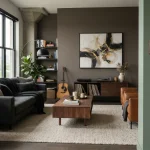
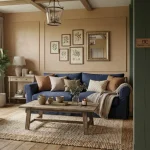
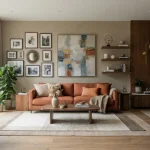
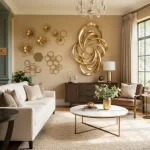
Looking for creative ways to make your living room more beautiful and welcoming? Boho living room decor offers a wonderful way to combine natural materials, earthy colors, vintage accents, and comfortable furniture.
From layered rugs and rattan chairs to handmade wall art and indoor plants, small decorating choices can completely change the appearance of your space.
The best part is that you can create a beautiful bohemian interior without replacing everything you own. These inspiring ideas will help you choose the right colors, textures, furniture, and accessories for a living room that matches your style and budget.
Start With a Warm and Earthy Color Palette
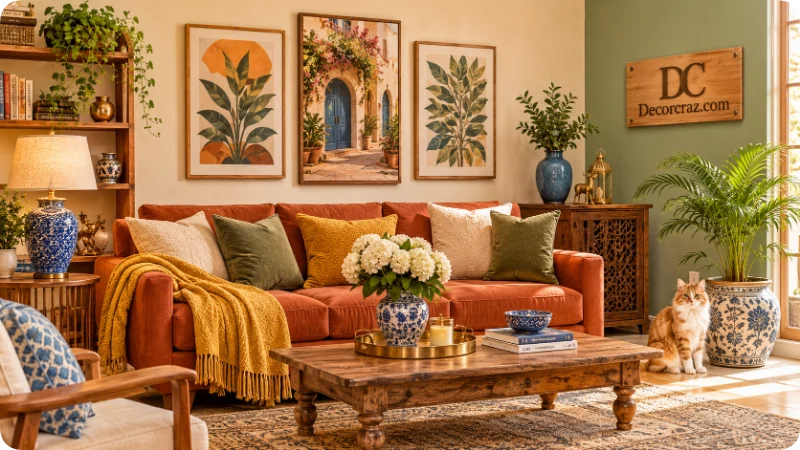
Color is one of the easiest ways to establish a bohemian atmosphere. Instead of choosing several unrelated shades, begin with a warm neutral background and introduce a small group of earthy colors through your furniture and accessories.
Cream, beige, sand, and warm white work well as foundation colors because they allow patterned fabrics and natural materials to stand out. You can then introduce terracotta, rust, olive green, mustard yellow, or muted blue.
Try these color combinations:
- Terracotta and cream: Warm and welcoming, especially with natural wood furniture.
- Olive and beige: A softer combination that works beautifully with greenery.
- Mustard and rust: Adds stronger color without making the room feel overly bright.
- Muted blue and warm brown: Creates contrast against neutral upholstery.
You do not need to paint every wall to achieve this look. Introduce your chosen colors through cushions, rugs, curtains, artwork, and ceramic decorations.
Design tip: If you already own a colorful sofa or patterned rug, let that piece guide your remaining color choices. Repeat one or two of its shades elsewhere rather than introducing an entirely new palette.
Layer Rugs to Add Texture and Define the Seating Area
A rug can bring the different parts of a boho living room together. It adds color underfoot, softens the furniture arrangement, and helps establish a clear seating area.
For a layered appearance, place a larger neutral rug underneath a smaller patterned rug. A jute or sisal style base creates a natural foundation, while a vintage inspired rug introduces color and visual interest.
However, layering is not essential. One appropriately sized patterned rug can create the same sense of character in a smaller room.
How to style your rugs:
- Choose a base rug large enough to connect the main seating pieces.
- Add a smaller vintage style rug if you want another layer of pattern.
- Repeat at least one rug color in your cushions or artwork.
- Avoid placing a tiny rug in the middle of a large seating arrangement.
The main purpose is to make the seating area feel connected rather than leaving individual furniture pieces floating around the room.
If your existing carpet is unattractive, a removable area rug can also provide a practical visual update without changing the flooring.
Bring in Rattan, Cane, and Natural Wood Furniture
Natural materials give a bohemian living room its distinctive texture. Rattan, cane, bamboo, jute, and wood introduce organic details that contrast with smooth walls, upholstered furniture, and glass surfaces.
You do not need an entire matching furniture set. One or two carefully selected pieces can make a noticeable difference.
Consider a rattan accent chair beside the sofa, a wooden coffee table in the center, or a cane front cabinet against an empty wall.
Each material can serve a different purpose:
| Material | Where to use it | What it adds |
| Rattan | Accent chairs and lampshades | Open woven texture |
| Cane | Cabinet doors and furniture panels | Light decorative detail |
| Natural wood | Coffee and side tables | Warmth and visual weight |
| Bamboo | Small furniture and accessories | A lighter organic appearance |
| Jute | Rugs and baskets | Coarse natural texture |
The important thing is to avoid using the same woven finish everywhere. If you already have a rattan chair, balance it with a wooden table, ceramic lamp, or fabric covered furniture.
This combination creates more visual variety than filling the room with identical wicker accessories.
Create a Comfortable Sofa With Layered Textiles
The sofa is usually the visual center of a living room, so it is a useful place to introduce the softer side of bohemian styling.
Start with the upholstery you already have. A beige, cream, brown, or gray sofa can work as a neutral foundation. Add cushions in different fabrics, shapes, and patterns to give it more personality.
For example, combine a plain linen cushion with an embroidered cover and a smaller geometric patterned pillow. A textured cotton or knitted throw can complete the arrangement.
A practical sofa styling approach:
- Begin with two or three complementary cushion colors.
- Mix smooth cotton, linen, woven, and embroidered fabrics.
- Use different cushion sizes to create visual variation.
- Drape a throw over one sofa corner instead of covering the entire seat.
- Keep enough seating space available for everyday use.
You can also use a removable slipcover if your existing sofa color does not fit your preferred palette.
The goal is to make the sofa feel layered without turning it into a pile of decorative cushions that nobody can comfortably sit on.
Decorate the Walls With Personal Art and Handmade Pieces
Bohemian interiors often feel more interesting when the walls tell a personal story. Instead of relying on identical framed prints, combine artwork, photographs, woven decorations, and meaningful objects.
A gallery wall above the sofa is one option. You can mix different frame sizes while keeping the arrangement connected through a shared color palette.
Another option is a large woven wall hanging that adds texture without introducing another busy pattern.
Wall decoration ideas include:
- Framed botanical artwork.
- Handmade macramé wall hangings.
- Vintage inspired mirrors.
- Personal photographs in wooden frames.
- Decorative woven baskets.
- Small collections of artwork arranged on picture ledges.
Think about the size of the wall before selecting your decorations. A single oversized artwork can look more balanced than several tiny frames scattered across a large empty surface.
For renters, leaning framed artwork on a stable shelf or using suitable removable hanging systems can reduce the need for permanent wall changes. Always check the weight limits and surface compatibility of removable hardware.
Use Indoor Plants to Introduce Natural Color
Plants add living color and organic shapes that are difficult to recreate with decorative accessories. They also provide a natural contrast to furniture with straight lines and structured shapes.
You do not need a large indoor garden. A tall floor plant beside a window, a smaller plant on a side table, and a trailing plant on a shelf can create a balanced arrangement.
Consider the following placements:
- Floor plants: Use a larger plant in an empty corner where it will not obstruct movement.
- Shelf plants: Place trailing varieties where their leaves can hang freely without blocking books or storage.
- Table plants: Choose compact varieties for coffee tables or side tables with enough usable surface remaining.
- Hanging plants: Use a properly secured ceiling hook or an appropriate freestanding plant hanger.
Choose plants according to the natural light, temperature, and care requirements of your room. A beautiful plant that cannot survive in its location will quickly become an unnecessary maintenance problem.
If you do not have suitable natural light or time for plant care, realistic artificial greenery can provide a similar decorative effect.
Add Warm Lighting With Woven and Natural Shades
Lighting can change how the colors and textures in your living room appear, especially during the evening.
A single bright ceiling light may illuminate the entire room, but it often creates a flat appearance. Bohemian interiors benefit from several light sources positioned at different heights.
A woven pendant can become a decorative focal point, while a fabric shaded table lamp creates a softer pool of light beside the sofa. A floor lamp can illuminate a reading corner without requiring additional furniture.
Lighting combinations to consider:
- A rattan pendant above the main seating area.
- A shaded table lamp beside the sofa.
- A floor lamp near a reading chair.
- Small accent lights on shelves or consoles.
Warm white bulbs are a useful choice when you want a softer evening atmosphere. For a more practical arrangement, make sure reading areas still receive enough focused light.
If you rent and cannot replace the ceiling fixture, consider a plug in pendant or floor lamp. Secure hanging cords neatly and keep electrical connections away from fabric and other materials that could create hazards.
Style a Boho Coffee Table Without Creating Clutter
The coffee table is a useful place to display smaller decorative pieces, but it also needs to remain functional.
A good arrangement starts with a clear surface and a few objects that have different heights and shapes.
For example, place a shallow tray on one side, a ceramic vase toward the back, and a small stack of books nearby. This creates a visual arrangement while leaving space for drinks, remotes, and everyday items.
You can also use a woven pouf as an alternative to a traditional coffee table. It adds soft texture and can provide extra seating when guests arrive.
Keep these practical points in mind:
- Use a tray to group small accessories.
- Choose a vase that does not block conversation across the seating area.
- Keep frequently used items easy to reach.
- Avoid filling every available surface.
- Consider rounded furniture edges when the room has narrow walkways.
If your coffee table is already decorative, leave it mostly unchanged and introduce bohemian details elsewhere.
Use Baskets and Open Storage for a Collected Look
Boho decor often includes many small belongings, including books, blankets, cushions, and handmade objects. Without suitable storage, these items can make the room feel disorganized.
Woven baskets offer a practical way to store everyday belongings while adding natural texture.
Place a larger basket beside the sofa for extra blankets, use a smaller one for magazines, or choose a lidded basket to hide items that you do not want on display.
Open shelving is another useful option. However, it works best when you mix displayed objects with some empty space.
Storage ideas for different needs:
| Storage option | Best use |
| Large woven basket | Throws and blankets |
| Small lidded basket | Remote controls and accessories |
| Open wooden shelves | Books, framed art, and collected objects |
| Cane front cabinet | Items you prefer to keep out of sight |
| Decorative storage trunk | Extra cushions and seasonal textiles |
The combination of open and closed storage helps maintain the relaxed appearance of bohemian decor without sacrificing everyday organization.
Personalize the Room With Vintage and Handmade Decorations
The final layer should reflect the people who actually use the living room.
Vintage furniture, handmade pottery, family photographs, locally crafted textiles, and meaningful souvenirs can make the room feel individual rather than copied from a showroom.
Look for objects that bring something different to the existing arrangement. A handmade ceramic vase can add an irregular shape, while an older wooden stool can introduce a different finish beside modern furniture.
You can find suitable pieces at secondhand shops, local craft markets, antique stores, or through items you already own.
For a more colorful interior, consider embroidered cushions, decorative ceramics, and artwork with stronger colors. If you prefer a quieter appearance, select handmade pieces with natural finishes and subtle patterns.
One important consideration is cultural context. Bohemian interiors often draw inspiration from textiles and decorative traditions around the world. Choose authentic handmade pieces where possible, understand their origins, and avoid treating culturally specific sacred or ceremonial objects as generic decoration.
A room becomes more meaningful when its decorative pieces have personal value rather than simply filling empty spaces.
How to Create a Boho Living Room on a Budget
You do not need to purchase an entirely new living room to achieve a bohemian look. A better approach is to work with your existing furniture and gradually introduce the details that make the biggest visual difference.
Start with what you already own
Look at your sofa, coffee table, curtains, and flooring. Identify which pieces already fit your preferred color palette and which ones need a small update.
A neutral sofa might only need patterned cushions and a textured throw. An ordinary wooden table might look more interesting with a handmade ceramic vase or woven tray.
Choose updates according to your budget
| Budget level | What to focus on |
| Low budget | Cushion covers, throws, secondhand artwork, small baskets |
| Moderate budget | Area rug, table lamp, accent chair, indoor plants |
| Larger budget | New sofa, statement lighting, larger rugs, wooden furniture |
These are planning categories rather than fixed price estimates. Actual costs depend on your location, materials, and whether you buy new or secondhand.
Make rental friendly changes
If you rent your home, focus on decorations that can move with you.
- Use removable cushion covers instead of replacing furniture.
- Choose freestanding shelves and storage units.
- Display artwork on picture ledges or suitable removable hooks.
- Use rugs to change the appearance of existing flooring.
- Add plug in lamps instead of changing electrical fixtures.
Avoid drilling, painting, or installing heavy wall decorations without checking your rental agreement and obtaining permission when necessary.
Common Boho Decorating Mistakes to Avoid
A bohemian room can contain many different materials and colors, but every element should have a purpose. The following mistakes can make an otherwise attractive room feel unfinished or overcrowded.
1. Using too many patterns
Several bold patterns competing for attention can make a room visually confusing. Choose one dominant pattern and support it with smaller or simpler designs.
2. Filling every empty corner
Empty space is not necessarily wasted space. Leaving some breathing room around furniture and decorative objects helps the important pieces stand out.
3. Choosing rugs that are too small
A tiny rug can make the seating arrangement look disconnected. Choose a size that relates to the sofa and chairs rather than focusing only on the coffee table.
4. Using too much of one material
An entire room filled with rattan can look repetitive. Mix woven materials with wood, fabric, ceramics, and metal.
5. Ignoring everyday comfort
Decorative cushions, poufs, and accessories should not interfere with sitting, walking, or cleaning. A living room needs to function before it becomes a display space.
6. Depending on artificial lighting alone
A room can look beautiful during daylight but feel uncomfortable at night if it has no suitable task or ambient lighting. Include lamps that serve the way you actually use the space.
FAQs
What is boho living room decor?
Boho living room decor is an interior design style that combines natural materials, earthy colors, vintage furniture, patterned textiles, indoor plants, and handmade decorations to create a relaxed and artistic atmosphere.
How can I make my living room look boho?
Start with a warm color palette, then add a patterned rug, textured cushions, rattan furniture, indoor plants, and handmade wall decorations. Mixing different materials and personal accessories helps create an authentic bohemian look.
What colors are best for a boho living room?
Popular boho color choices include beige, cream, terracotta, rust, mustard yellow, olive green, warm brown, and muted blue. You can combine these shades with neutral walls and natural wood furniture.
How do I decorate a small boho living room?
Choose multifunctional furniture, light colored walls, a properly sized rug, and a few carefully selected accessories. Use vertical shelves, compact plants, and textured cushions to introduce bohemian details without overcrowding the room.
Can I create boho living room decor on a budget?
Yes! You can use affordable cushion covers, secondhand furniture, DIY wall art, woven baskets, and existing decorative pieces. Rearranging your furniture and adding a few colorful accessories can also refresh your living room.
What furniture works best in a boho living room?
Rattan chairs, natural wood coffee tables, cane cabinets, comfortable sofas, and woven poufs work particularly well. Choose furniture with different textures and finishes instead of buying a completely matching set.
How do I mix patterns in a boho living room?
Start with one dominant pattern, such as a vintage rug, and combine it with smaller geometric, floral, or embroidered designs. Keep some cushions and larger surfaces plain to maintain visual balance.
Are plants necessary for boho living room decor?
No, plants are not essential, but they introduce natural color and organic shapes. If your room has limited sunlight or you prefer low maintenance decorating, artificial greenery can be an alternative.
Conclusion
Creating a beautiful boho living room doesn’t require expensive furniture or a complete home makeover. With the right combination of earthy colors, natural materials, layered rugs, colorful cushions, and handmade decorations, you can turn any ordinary space into a comfortable and welcoming retreat.
Start with simple changes, such as adding rattan accessories, indoor plants, textured throws, or vintage inspired artwork. If you’re working with a small room or limited budget, focus on a few meaningful pieces instead of filling every corner.
Remember, the beauty of boho living room decor comes from mixing textures, expressing your personality, and creating a space that feels natural and comfortable. Experiment with different styles, keep your arrangement balanced, and let your living room reflect what you love.

I am Claudia Winkle, a passionate Name Researcher and Content Writer at decorcraz.com. I enjoy exploring the meanings, origins, history, and cultural significance behind names from around the world. Through carefully researched and engaging articles, I help readers discover unique names, understand their stories, and find meaningful naming inspiration for every occasion. My goal is to make name research simple, interesting, and useful for readers looking for the perfect name.