Quick Answer:
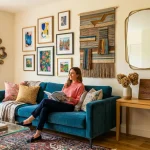
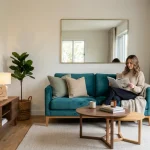
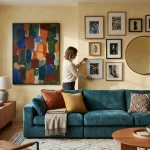
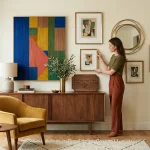
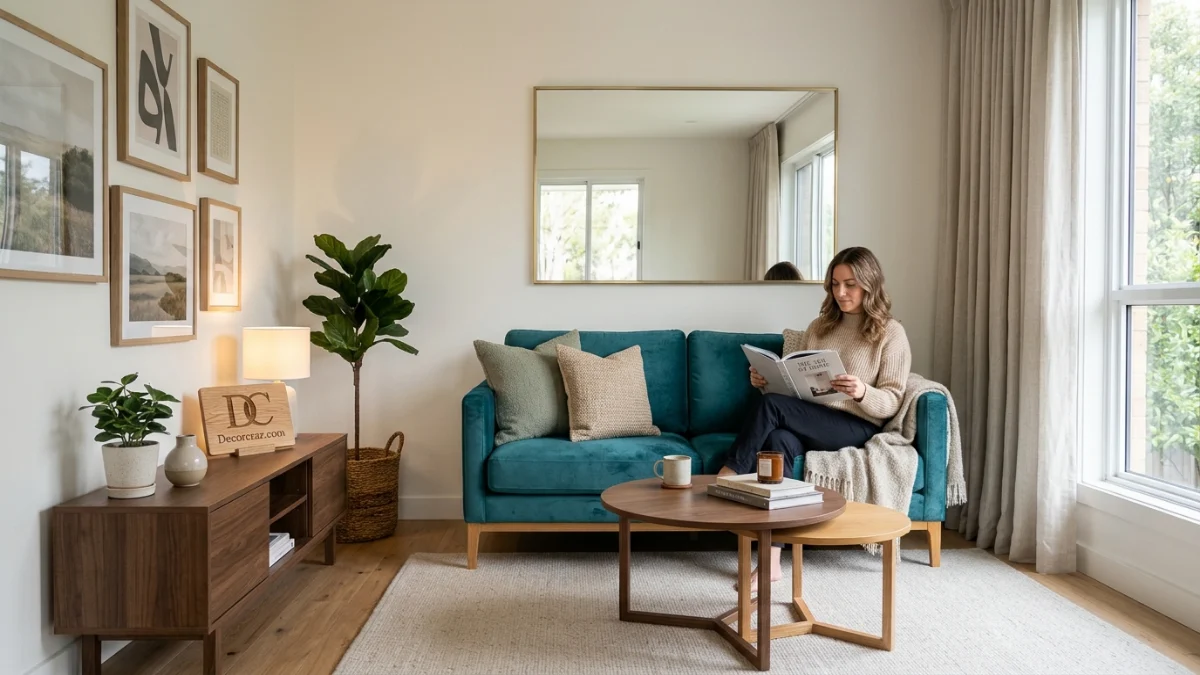
The best small living room decor ideas include choosing properly sized furniture, keeping walkways clear, using mirrors to reflect natural light, and layering lighting to brighten the space. Add coordinated colors, a well-sized area rug, wall shelves, and practical storage to reduce clutter. You can also refresh your living room on a budget by rearranging furniture, updating cushion covers, and restyling existing decor.
Small living room decor ideas can help you make the most of limited space while creating a room that feels bright, comfortable, and stylish. Whether you live in a small apartment, rent your home, or have a compact family living room, thoughtful decorating choices can improve the way your space looks and functions.
The key is to choose furniture that fits, arrange it to keep walkways open, and use colors and lighting that create a balanced atmosphere. Mirrors, wall shelves, suitable rugs, and practical storage can also help you reduce clutter without sacrificing personality.
You don’t need expensive furniture or a complete makeover to create a beautiful living room. These small living room decor ideas will show you how to maximize your available space, refresh your existing decor, and design a welcoming room that suits your lifestyle and budget.
Arrange Furniture to Create More Walking Space
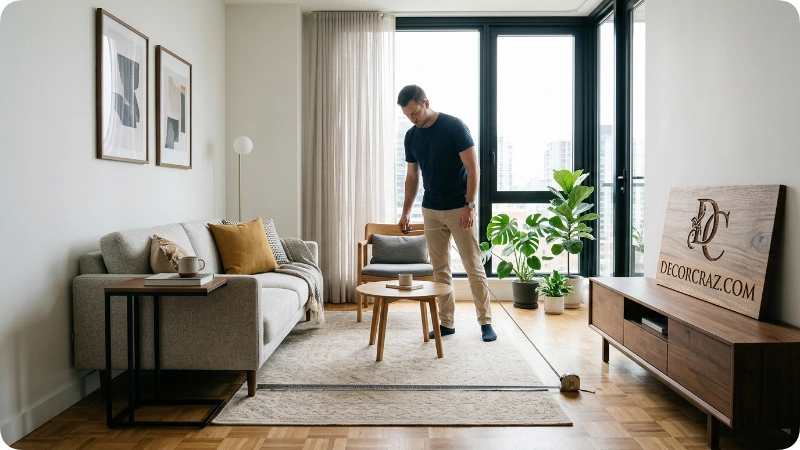
Furniture placement can make a bigger difference than the amount of furniture you own. Even a well decorated room can feel cramped when chairs block doorways or tables interrupt the natural walking path.
Start by identifying the main focal point, such as a television, fireplace, large window, or artwork. Position the sofa and other seating around it while leaving enough room to move comfortably.
For many small living rooms, placing the sofa against the longest wall is a useful starting point. It leaves more open floor space in the center and makes it easier to arrange a coffee table or a compact accent chair.
If your living room is narrow, avoid placing large furniture pieces on both sides of the room unless the remaining walkway is wide enough. In an open plan apartment, use a rug or sofa placement to define the living area without adding a bulky divider.
Before moving furniture, measure the room and mark the proposed arrangement with painter’s tape. This helps you see how much space each piece will occupy before committing to a layout.
Choose Furniture With the Right Proportions
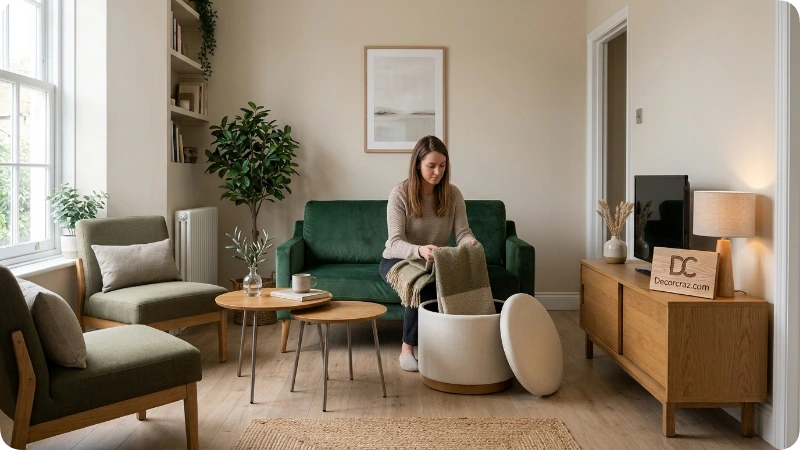
Small living rooms benefit from furniture that provides useful seating without overwhelming the available floor space. However, choosing the smallest possible furniture is not always the best solution.
A compact two seat sofa with slim arms may offer more practical seating than a bulky loveseat with thick armrests. Furniture with visible legs can also make the floor easier to see, giving the arrangement a lighter appearance.
Consider these furniture options:
- Compact sofas: Choose a width and depth that suit the room and the number of people who regularly use it.
- Nesting tables: Slide them together when they are not needed and separate them when guests arrive.
- Storage ottomans: Use them as footrests, occasional seats, or places to store blankets.
- Small accent chairs: Add one only if it does not obstruct movement around the sofa.
- Slim media consoles: Provide storage without extending too far into the room.
Measure furniture carefully, including the space required to open drawers and doors. A piece may fit against the wall but still interfere with the rest of the room once it is in place.
Use a Properly Sized Area Rug
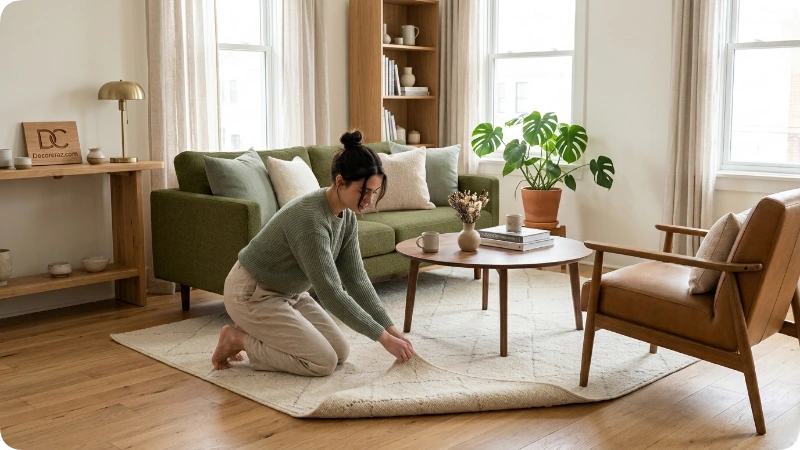
An area rug helps connect the sofa, chairs, and coffee table into one visually organized seating area. When a rug is too small, the furniture can look disconnected, making the room feel less coordinated.
Choose a rug based on the dimensions of your seating arrangement rather than the room alone. When possible, allow the front legs of the sofa and accent chairs to rest on the rug.
For a neutral living room, a cream, beige, or light gray rug can complement the larger furniture pieces. If your sofa and walls are already light, a subtle geometric pattern or darker border can add contrast without overwhelming the space.
Textured rugs are another option when you want visual interest without introducing several new colors.
If you are unsure about the size, mark the proposed rug dimensions on the floor with painter’s tape. This lets you check the proportions and make sure the rug will not interfere with doors or walkways.
Decorate With Colors That Complement the Room
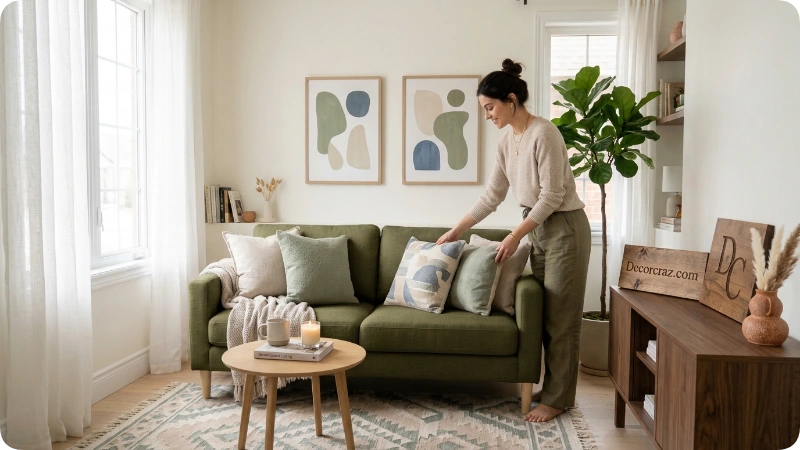
Color can help a small living room feel connected and balanced. Using complementary shades across the walls, furniture, curtains, and accessories reduces visual interruptions.
Light colors are a useful starting point, especially when the room receives limited natural light. Warm white walls, beige upholstery, and pale wood furniture create a bright foundation that works with many decorating styles.
However, small living rooms do not have to be entirely white or neutral.
You can also try:
- Soft green: Combine sage walls or cushions with cream upholstery and natural wood.
- Muted blue: Use dusty blue accessories with white walls and light gray furniture.
- Warm earthy shades: Add terracotta, caramel, or rust through cushions, artwork, and ceramics.
- Deep accent colors: Introduce navy, forest green, or burgundy through a feature wall or selected decorative pieces.
The key is to create a relationship between the colors rather than using a different shade for every item. Repeat one or two accent colors in the rug, cushions, and artwork to make the room feel intentional.
Before painting, test samples under both daylight and artificial lighting because colors can appear different throughout the day.
Add a Mirror to Reflect Light
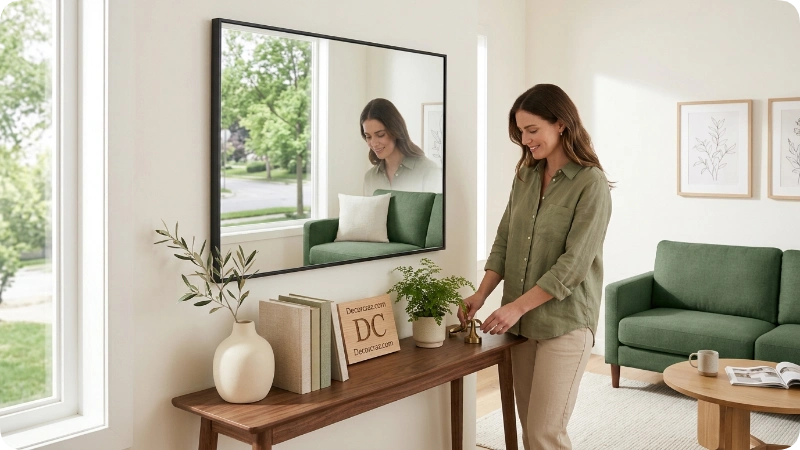
A strategically placed mirror can make a small living room feel brighter and create a greater sense of depth. Its effect depends on what it reflects, so placement matters more than simply choosing a large mirror.
A mirror positioned near a window can reflect incoming daylight. Another option is to hang one above a narrow console table or opposite an attractive part of the room.
For a simple decorating approach, choose a large rectangular mirror with a slim frame. This works well with contemporary, traditional, and transitional interiors.
If you prefer a more decorative look, try a round mirror above a console or a mirror with a wooden frame that complements the furniture.
Avoid positioning a mirror where it reflects a cluttered shelf or an area you would rather keep visually quiet. In rental homes, a securely positioned leaning mirror can be an alternative to wall mounted decor, provided it cannot tip over.
Layer Lighting for a More Functional Living Room
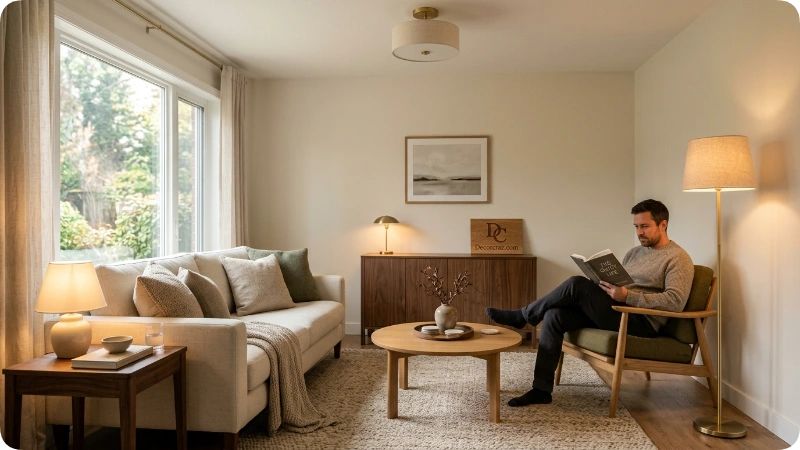
Lighting helps define different areas of a small living room and makes the space more comfortable to use after dark.
Instead of relying entirely on an overhead fixture, combine general lighting with a few carefully placed light sources.
A table lamp beside the sofa provides light for reading or relaxing. A wall mounted light can illuminate a seating corner without occupying floor space. A small accent lamp on a console or shelf can highlight artwork or decorative objects.
Consider the room’s activities before choosing fixtures. If you regularly read on the sofa, prioritize a light that illuminates your reading area. If the room is mainly used for watching television, avoid placing bright lights where they create distracting reflections on the screen.
Warm white bulbs can create a relaxed atmosphere, while brighter task lighting may be useful for reading and other detailed activities. Dimmable lights provide flexibility when the same room serves different purposes.
Keep lamp cords secured and away from walkways, especially in compact rooms where furniture sits close together.
Use Wall Shelves for Practical Storage
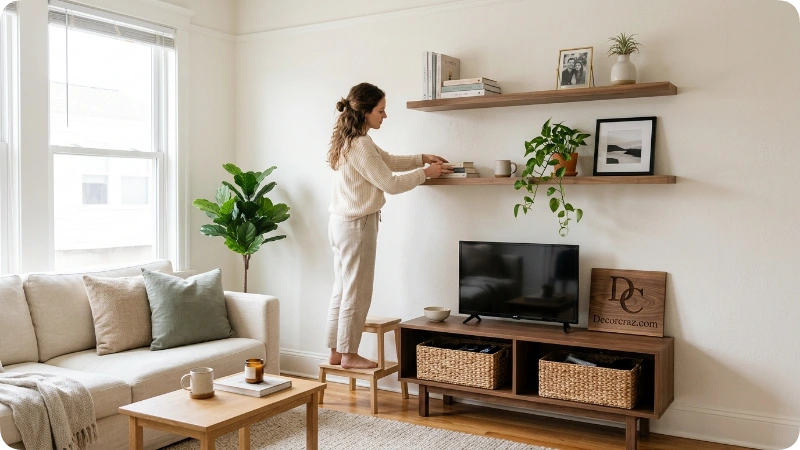
Wall shelves provide storage without requiring another large piece of furniture on the floor. They can hold books, framed photographs, small plants, and selected decorative objects.
In a small living room, a few shallow shelves are often more useful than a large arrangement covering an entire wall.
Place shelves where they are easy to access and do not interfere with seating or movement. Above a low media console, for example, they can create a coordinated storage and display area.
If you have many everyday belongings, combine open shelves with closed storage. Books and a few decorative pieces can remain visible, while remote controls, cables, games, and other small items can be stored out of sight.
For renters, freestanding shelving may be preferable when drilling is not permitted. If you install wall mounted shelves, use appropriate fixings for the wall material and follow the manufacturer’s load limits.
The goal is to make storage useful without turning every empty wall into another display area.
Choose Wall Art That Fits the Furniture
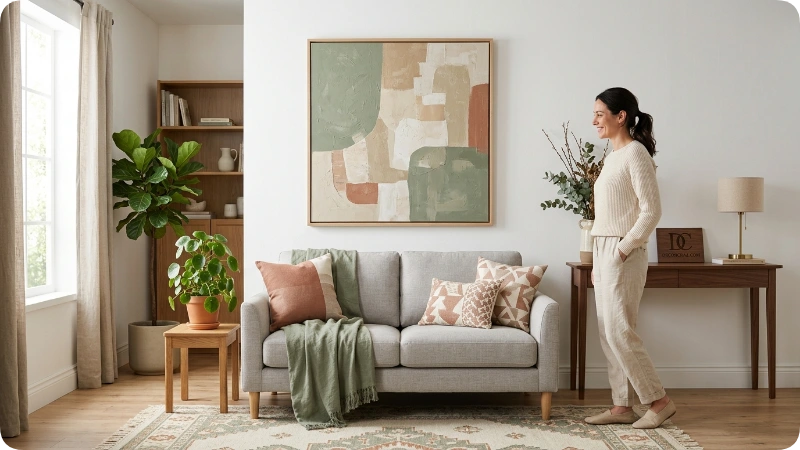
Wall art gives a living room personality without taking up floor space. The most effective arrangement relates to the furniture beneath it and leaves enough surrounding space for the artwork to stand out.
A single large print above the sofa can create a clear focal point. Alternatively, a small gallery wall can work well if the frames share a consistent finish, color palette, or visual theme.
When arranging artwork, center it over the sofa or console rather than automatically centering it on the entire wall. This helps the display feel connected to the furniture.
Choose artwork that complements the room’s existing colors. For example, an abstract print with muted green and beige can tie together a neutral sofa, wooden furniture, and sage cushions.
If you prefer colorful artwork, keep the surrounding decor relatively coordinated so the room does not feel visually crowded.
Renters can use suitable removable hanging systems when permitted, checking the product’s weight rating and wall compatibility before installation.
Hang Curtains to Emphasize Window Height
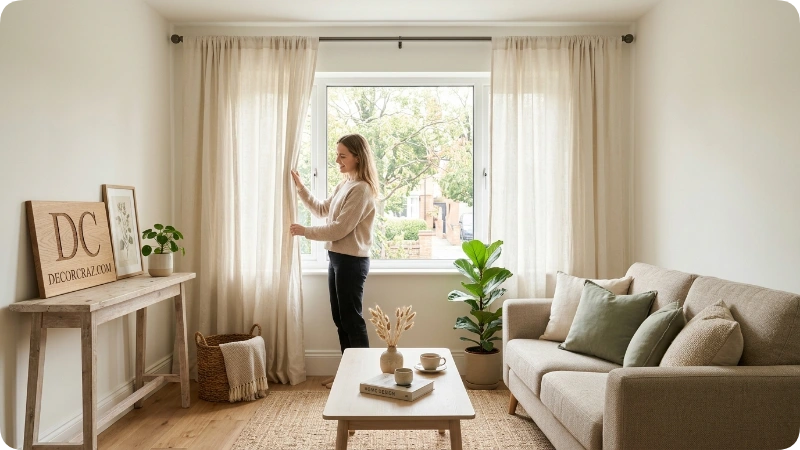
Curtains influence the appearance of windows and the amount of daylight that enters a small living room. Correct placement can make the window treatment look more integrated with the architecture.
Where the room allows, install the curtain rod above the window frame and extend it beyond the sides. When the curtains are open, the panels can sit outside the glass instead of covering part of the window.
Full length curtains create a vertical line that draws the eye upward. Light filtering fabrics are useful when you want daylight without leaving the window completely uncovered.
For a coordinated appearance, choose curtain colors that relate to the walls, rug, or sofa. Neutral curtains work with many styles, while muted green, blue, or earthy shades can add more personality.
Measure from the intended rod position to the desired hem before purchasing. Also consider radiators, window handles, and door openings so the panels do not interfere with everyday use.
Add Texture Without Cluttering Surfaces
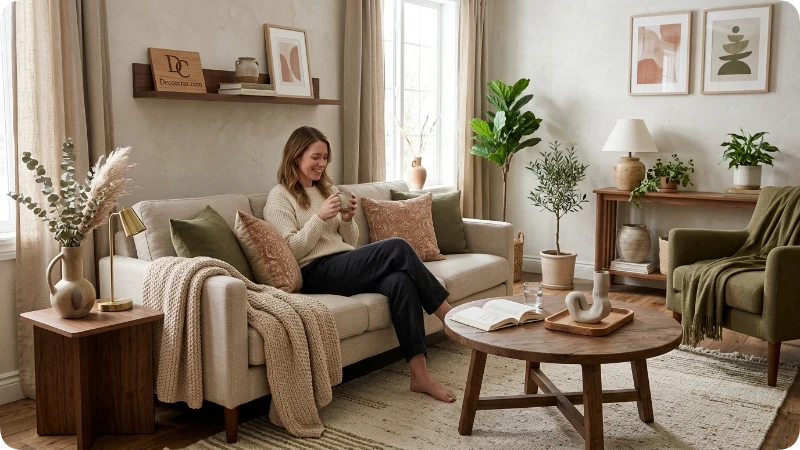
A small living room can still feel personal and layered. The trick is to create visual interest through different materials instead of filling every available surface with accessories.
For example, combine a linen cushion, a woven rug, a wooden side table, and a ceramic vase. These materials create contrast while keeping the overall color scheme relatively simple.
Use accessories according to their purpose:
- Cushions: Add color or pattern to a plain sofa.
- Throw blankets: Introduce texture while providing something practical to use.
- Ceramic vases: Create a focal detail on a coffee table or shelf.
- Books: Add personality and can be grouped neatly on a table or console.
- Small plants: Bring natural shapes into the room when suitable light is available.
A tray can help group small coffee table accessories together, leaving the rest of the surface available for drinks, books, or everyday activities.
You do not need to follow a minimalist style if you prefer colorful or collected interiors. Instead, organize your favorite objects into deliberate groupings and leave enough space around them.
Try Budget Friendly Living Room Updates
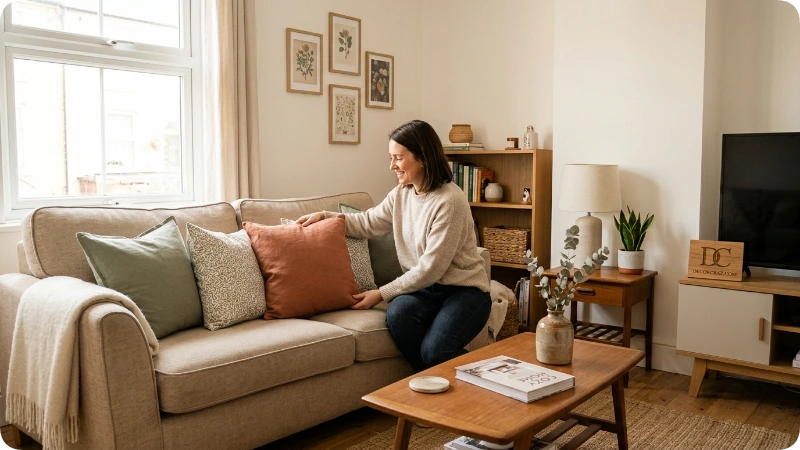
Refreshing a small living room does not always require new furniture. Rearranging what you already own can reveal opportunities that were hidden by poor placement or unnecessary clutter.
Start by removing items that no longer serve a purpose. Move furniture away from obstructed walkways, group loose accessories, and reposition artwork where it relates more closely to the seating area.
If you want to spend a little money, consider these updates:
Replace cushion covers: Choose colors that connect the sofa to the rug or artwork.
Update the lighting: A table lamp or suitable new lampshade can change the room’s appearance without replacing major furniture.
Shop for secondhand decor: Look for frames, mirrors, ceramic pieces, and small tables that fit your existing style.
Restyle shelves: Rearrange books and decorative objects instead of purchasing more accessories.
Add practical storage: A storage ottoman or compact cabinet may be worthwhile if everyday belongings regularly end up on the floor or coffee table.
Prioritize purchases according to the problem you want to solve. If the room feels cramped because of an oversized sofa, buying more decorative accessories will not fix it. Address the layout before spending money on finishing touches.
Adapt Your Decor to Your Living Situation
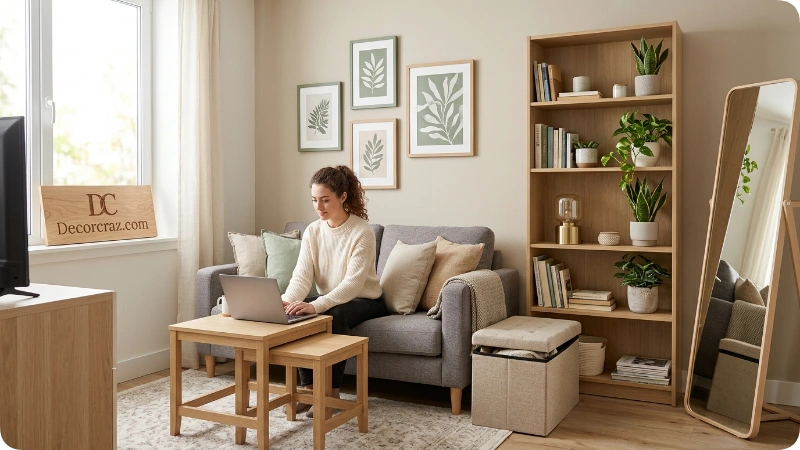
The best small living room decor depends on how you use the space and what changes you are allowed to make.
Small Apartment Living Rooms
Choose movable furniture that can serve more than one purpose. Nesting tables, storage ottomans, and compact shelving can make the room easier to organize.
If the living room also serves as a workspace, use a small desk or a designated corner rather than adding a large divider that reduces the available floor area.
Rental Living Rooms
Focus on changes that are easy to reverse, such as new cushion covers, portable lamps, freestanding mirrors, and removable artwork. Check your lease before painting, drilling, or changing permanent fixtures.
Family Living Rooms
Prioritize durable surfaces, accessible storage, and furniture that suits the people using the room. Keep frequently used items within reach and avoid placing fragile decorations where they can easily be knocked over.
Dark Living Rooms
Pay particular attention to lighting, window treatments, and the placement of reflective surfaces. Keep curtains from unnecessarily covering the glass, and distribute light around the room rather than relying on one overhead fixture.
The best approach is the one that supports your everyday routine while making the available space comfortable and visually organized.
Common Small Living Room Decorating Mistakes
A few decorating decisions can make a compact living room harder to use, even when the individual pieces look attractive.
- Using a rug that is too small: The seating arrangement may look disconnected rather than unified.
- Adding too many small furniture pieces: Multiple stools and tables can interrupt movement and make the room harder to clean.
- Filling every wall with shelves: Too many displays can compete for attention and create extra maintenance.
- Blocking windows: Tall furniture or heavy curtains can reduce useful daylight.
- Ignoring practical storage: Decorative accessories cannot compensate for a lack of places to put everyday items.
- Buying furniture before measuring: A piece may fit the wall but leave insufficient room for doors, drawers, or walking paths.
- Following decorating rules too rigidly: Dark colors, larger artwork, and substantial furniture can work in small rooms when their proportions and placement are appropriate.
Before adding something new, consider whether it improves comfort, movement, lighting, storage, or the overall appearance of the room. If it does not solve a problem or contribute something meaningful, leaving the space open may be the better choice.
Frequently Asked Questions
1. How can I make a small living room look bigger?
Keep walkways clear, choose furniture that fits the room, and avoid unnecessary clutter. Mirrors, suitable lighting, light colors, and properly sized rugs can also help the room feel more open.
2. What furniture is best for a small living room?
Compact sofas, nesting tables, storage ottomans, small accent chairs, and slim media consoles are practical choices. Measure each piece before buying to ensure it fits without blocking movement.
3. What colors work best in a small living room?
Warm white, beige, light gray, soft green, and muted blue can work well. You can also introduce deeper shades such as navy or forest green through selected accents while keeping the overall palette coordinated.
4. Where should I place a mirror in a small living room?
Place a mirror near a window to reflect daylight or above a narrow console table. Choose a position that reflects an attractive part of the room rather than cluttered shelves.
5. What type of rug should I use in a small living room?
Choose a rug that relates to the size of your seating arrangement. When possible, place the front legs of the sofa and accent chairs on it to create a more connected look.
6. How can I decorate a small living room on a budget?
Start by rearranging furniture, removing unnecessary items, and restyling existing shelves. Updating cushion covers, changing a lampshade, or shopping for secondhand mirrors and artwork can refresh the room without a major expense.
7. How can I add storage without making a small living room feel crowded?
Use wall shelves, storage ottomans, and compact cabinets. Combine open shelves for a few decorative items with closed storage for everyday belongings such as cables, games, and remote controls.
8. How should I arrange furniture in a narrow living room?
Consider placing the sofa against the longest wall and keeping the main walking path clear. Avoid positioning large furniture pieces on both sides if doing so leaves insufficient room to move comfortably.
9. How can I make a dark small living room feel brighter?
Use layered lighting, keep curtains from covering unnecessary portions of the windows, and position mirrors to reflect available daylight. Light-colored furnishings and coordinated wall colors can also help brighten the space.
10. How can renters decorate a small living room without making permanent changes?
Choose portable lamps, freestanding mirrors, removable artwork, cushion covers, and movable storage furniture. Check your lease before painting or drilling, and follow product instructions when using removable hanging systems.
11. How can I decorate a small living room without creating clutter?
Choose accessories that serve a purpose or add meaningful visual interest. Group smaller objects on a tray, coordinate colors, and leave some surfaces and wall areas open rather than decorating every available spot.
12. Should I use large or small wall art in a small living room?
Both can work, depending on the wall and furniture proportions. A single larger print can create a clear focal point, while a small gallery wall can work when the frames share a consistent style and arrangement.
Conclusion
Small living room decor is all about balancing style, comfort, and functionality. With the right furniture arrangement, suitable colors, thoughtful lighting, and smart storage solutions, you can make the most of your available space without making it feel crowded. Choose furniture that fits your room, use mirrors to reflect natural light, and add curtains, rugs, and wall art that complement your existing decor.
You don’t need to spend a lot of money or replace everything to create a beautiful living room. Simple changes, such as rearranging furniture, organizing shelves, and updating cushion covers, can make a noticeable difference.
If you live in a small apartment or a compact family home, focus on choices that support your daily routine and reflect your personal style. A well planned living room can feel inviting, organized, and comfortable, regardless of its size.

I am Claudia Winkle, a passionate Name Researcher and Content Writer at decorcraz.com. I enjoy exploring the meanings, origins, history, and cultural significance behind names from around the world. Through carefully researched and engaging articles, I help readers discover unique names, understand their stories, and find meaningful naming inspiration for every occasion. My goal is to make name research simple, interesting, and useful for readers looking for the perfect name.