Quick Answer :
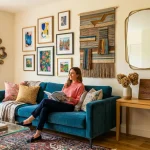
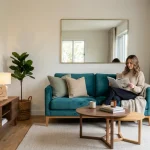
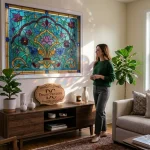
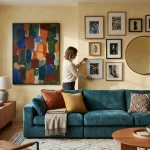
Unique wall decor ideas for living room spaces include sculptural wall art, asymmetrical gallery walls, woven hangings, decorative mirrors, vintage finds, geometric wood panels, and creative picture ledges. Whether you have a small apartment or a spacious living room, the right wall decor can add personality, texture, and visual interest without an expensive renovation. Choose designs that complement your furniture, match your interior style, and suit your budget.
Looking for unique wall decor ideas for your living room that go beyond ordinary framed pictures? The right wall decorations can transform a plain space into a stylish, inviting room that reflects your personality. From sculptural artwork and modern gallery walls to vintage finds, decorative mirrors, and textured wall hangings, there are plenty of creative ways to make your walls stand out.
Whether you’re decorating a small apartment, refreshing a blank wall above your sofa, or creating a statement feature in a spacious living room, you don’t need an expensive renovation to achieve a beautiful result. Explore these unique living room wall decor ideas to discover inspiring designs for different styles, spaces, and budgets.
Create a Statement Wall With Sculptural Art
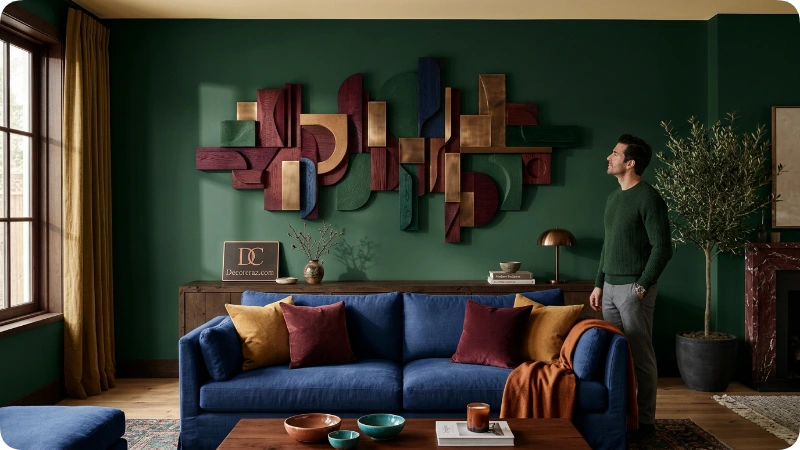
Three dimensional wall art adds depth that conventional framed prints may not provide. Raised shapes, carved wood, textured plaster, and layered materials create shadows that change with the direction of natural light.
Choose a piece that contrasts with the wall behind it. Pale sculptural art against a warm white wall creates a subtle effect, while dark wood or black metal makes a stronger statement.
How to make it work:
- Above a sofa: Choose a substantial horizontal piece that relates to the sofa’s width.
- On a narrow wall: Use a vertical sculpture to draw the eye upward.
- In a minimalist room: Let the artwork provide the main texture instead of adding several smaller decorations.
- In a colorful room: Select a sculpture that repeats an existing accent color to keep the overall design connected.
Consider the sculpture’s depth before hanging it, particularly near a walkway. Heavy pieces also require mounting hardware suitable for their weight and wall construction.
Design an Asymmetrical Gallery Wall
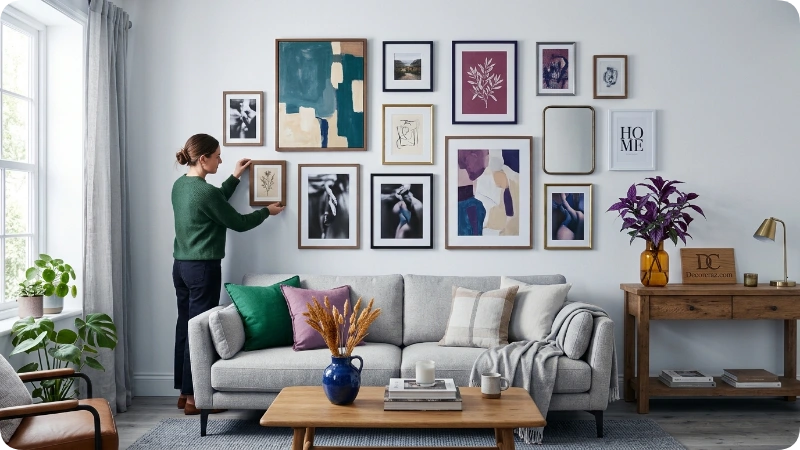
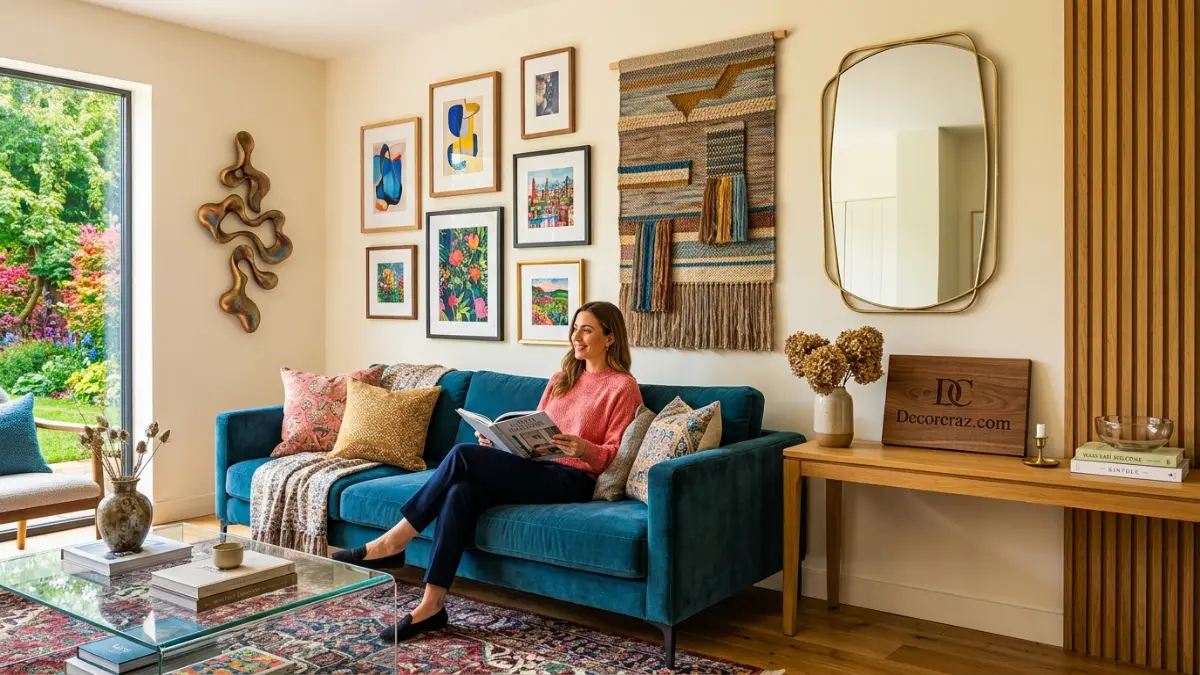
A gallery wall feels more personal when it combines artwork, photographs, illustrations, and meaningful keepsakes rather than relying entirely on matching prints.
An asymmetrical arrangement works well if you prefer a collected appearance instead of a formal grid. The pieces can differ in size and subject while sharing a visual connection, such as similar frame finishes, a recurring color, or a common theme.
Follow these steps to create a balanced arrangement:
- Collect the artwork you want to display before making holes in the wall.
- Arrange the pieces on the floor, beginning with the largest frame.
- Add smaller works around it, balancing the visual weight on both sides.
- Photograph the arrangement so you can reproduce it on the wall.
- Check the composition from your main seating position before finalizing the layout.
Avoid spreading the frames so far apart that they look disconnected. If your sofa already has a bold pattern, simpler artwork can prevent the wall from competing with the upholstery.
Use Woven Wall Hangings for Natural Texture
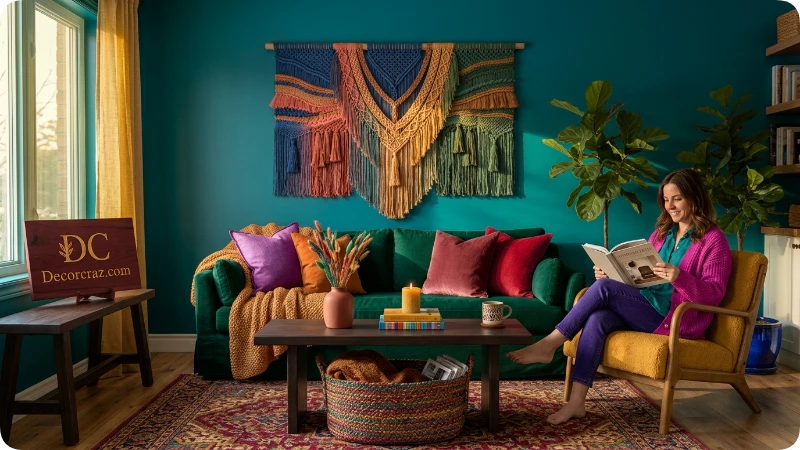
Textile wall decor adds softness to a living room dominated by smooth paint, glass, metal, or leather. Woven hangings, framed fabric, embroidered panels, and contemporary tapestries can introduce texture without requiring a large collection of framed artwork.
Choose a large woven piece for a plain wall behind a sofa, or use a smaller textile to add interest beside a reading chair. Natural fibers complement wood furniture and earthy colors, while graphic woven patterns work well in contemporary interiors.
The material affects the overall appearance. Thick, irregular weaving feels tactile and handmade, while a flat textile with a strong pattern creates a cleaner visual statement.
Before hanging a textile, consider how it will collect dust and whether direct sunlight may fade its colors. A removable hanging rod can make cleaning and repositioning easier.
Install Picture Ledges for a Changeable Display
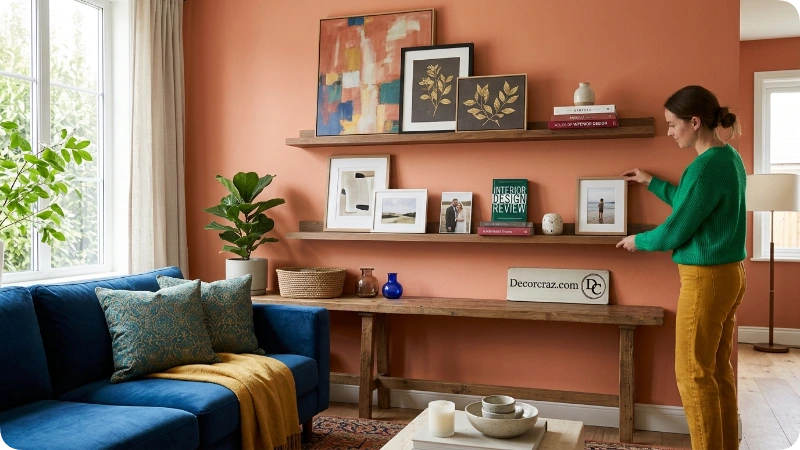
Picture ledges are useful when your interests change frequently or you want to display several objects without committing to a permanent gallery wall. Unlike individual frames mounted in fixed positions, ledges let you rearrange prints, small paintings, and lightweight decorative objects whenever you want.
For a balanced display, lean a larger frame at the back and layer smaller pieces in front. A short stack of books or a small ceramic object can introduce variety, but leave enough open space for the artwork to remain visible.
This approach works particularly well for renters, people who enjoy changing their decor, and homeowners who want a flexible display without installing a large cabinet.
Choose a shallow ledge for a compact living room to avoid making the wall feel crowded. Secure it according to the manufacturer’s instructions, and avoid placing heavy objects precariously near the edge.
Decorate With Vintage Finds and Collected Objects
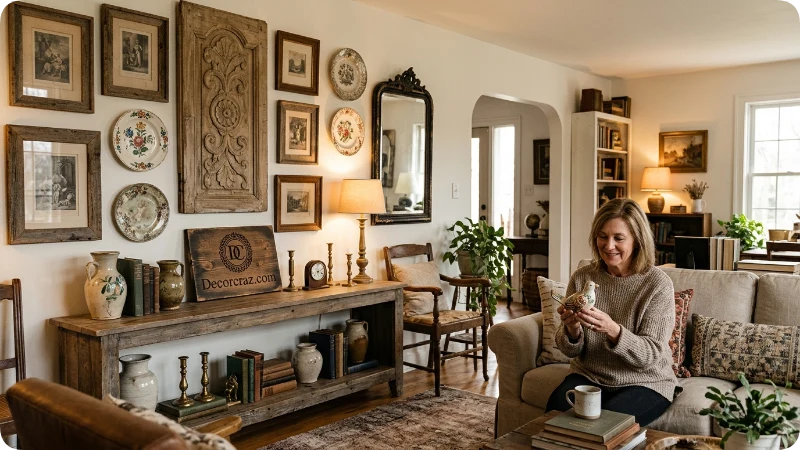
Vintage wall decor gives a living room a distinctive appearance because older objects often have unusual shapes, materials, and signs of age. Instead of buying a coordinated wall set, display pieces that reflect your interests or complement the character of your home.
Consider these ideas:
- Architectural salvage: An old window frame or decorative wooden panel can add character to a plain wall.
- Vintage plates: Arrange decorative ceramic plates in a loose cluster above a console.
- Antique frames: Display an old frame around a mirror, botanical illustration, or piece of textured fabric.
- Collected objects: Group related items, such as carved wooden decorations or small handmade pieces, into one defined arrangement.
The key is to give the collection a clear visual boundary. A few objects with different shapes can feel more interesting than a wall crowded with unrelated finds.
For a contemporary room, combine one vintage feature with simple furniture and clean lined frames. If the room already contains patterned upholstery, detailed rugs, or ornate furniture, choose fewer wall objects to maintain visual balance.
Add a Large Decorative Mirror
A mirror can serve as wall art while reflecting daylight and parts of the room. Its frame often determines whether it feels traditional, modern, rustic, or sculptural.
An oversized round mirror introduces curves into a room filled with rectangular furniture. An arched mirror creates a taller visual outline, while a carved wooden frame adds texture to a simple wall.
Choose the placement according to what the mirror reflects. A mirror opposite a window may reflect daylight, while one facing an attractive part of the room can extend the visual scene. Avoid positioning it where it mainly reflects clutter or an unappealing corner.
In a small living room, one appropriately sized mirror may provide enough visual interest without filling the wall with multiple objects. In a larger space, a pair of coordinated mirrors can work if the wall and furniture have sufficient width.
Large mirrors require secure installation. If you rent or cannot drill into the wall, consider a properly supported freestanding mirror with suitable protection against tipping.
Introduce Geometric Wood Panels or Decorative Wall Slats
Wood panels and decorative slats turn the wall surface itself into a design feature. They work particularly well when framed artwork feels too small or visually disconnected from the rest of the room.
Vertical slats emphasize height, while horizontal arrangements draw attention across the wall. Geometric panels introduce a more architectural appearance, especially when their shapes relate to the furniture and room layout.
There are several ways to approach this idea:
- For a subtle result: Use wood toned panels that coordinate with the floor or furniture.
- For a modern statement: Create a defined feature behind the sofa or television instead of treating every wall.
- For a low commitment update: Consider removable decorative panels or a painted pattern before investing in permanent joinery.
Permanent panels may require cutting, precise installation, and alterations to the existing wall. They can also make a small room feel visually heavy if the pattern is too dense or the finish is very dark.
Keep the surrounding decor relatively simple so the wall treatment remains the main feature. If you plan to add shelves or artwork later, determine their locations before installing the panels.
Create an Artistic Display With Decorative Plates or Baskets
Decorative plates and woven baskets offer an alternative to conventional framed art. Their circular outlines, handmade details, and varied textures create a display that feels collected rather than printed.
Ceramic plates suit interiors that already feature pottery, glazed surfaces, or patterned textiles. Woven baskets complement natural wood, linen, rattan, and other textured materials.
For a coordinated arrangement, choose pieces that share a material, color family, or general shape. They do not need to match exactly; differences in size and pattern help each object contribute something distinct.
Start with the largest piece and position smaller objects around it. Keep the overall arrangement centered on the furniture beneath it, even if the individual pieces are asymmetrical.
On a narrow wall, a compact vertical grouping may fit better than a wide cluster. Above a sofa, leave enough space around the arrangement so it does not appear squeezed between the furniture and ceiling.
Check the weight and hanging requirements of every object. Plates and heavier decorative pieces need suitable mounts rather than improvised or undersized hooks.
Use Removable Wall Decals or a Painted Feature Shape
If you want something distinctive without purchasing a large art collection, use color or simple shapes to create a defined feature on the wall.
A painted arch behind a console, a geometric block of color, or a removable botanical decal can make a plain surface feel more intentional. The design can also visually connect a piece of furniture to the wall above it.
Choose the shape according to the furniture:
- Behind a console: A painted arch can frame a lamp, artwork, or small decorative arrangement.
- Behind a sofa: A broad horizontal shape can relate to the sofa’s outline.
- In a small living room: One simple graphic feature usually creates a clearer focal point than scattered decals.
- In a rental: Removable products may be suitable, but compatibility depends on the paint, surface condition, adhesive, and product instructions.
Test a removable material in an inconspicuous area first. Even products marketed as removable can affect certain finishes, so confirm that the wall surface is suitable before covering a large section.
For painted designs, use a color already present in the room when you want a cohesive effect. A contrasting shade creates a stronger focal point but may be harder to coordinate with future furniture changes.
Build a Functional Display Around Bookshelves or a TV
A living room wall does not have to be purely decorative. Shelving, book displays, and television surrounds can combine visual interest with useful storage.
The most successful arrangement considers the wall as a whole instead of treating every shelf as a separate decorating project. Repeating a finish across shelving and nearby furniture can make the composition feel connected, while a few contrasting objects prevent it from becoming monotonous.
Try these approaches:
- Open shelving: Mix books with a limited number of ceramics, small framed pieces, or meaningful keepsakes.
- Built in niches: Use the recesses to display objects that would otherwise compete for space on a mantel or console.
- TV wall styling: Integrate the screen with surrounding cabinetry or shelves, keeping decorative pieces away from ventilation openings and access points.
- Color coordinated shelving: Repeat the wall color or a nearby furniture finish to help a large installation feel intentional.
Avoid filling every available shelf. Leaving some sections open creates contrast and makes the objects you choose easier to notice.
Built in cabinetry provides a permanent solution and may require professional installation. For a flexible alternative, use freestanding bookcases or a simple media console and arrange artwork around them.
How to Choose the Right Wall Decor for Your Living Room
The most original idea is not necessarily the best one for your room. Before choosing materials or arranging artwork, consider the wall’s size, the furniture beneath it, your budget, and how permanent the change should be.
| Your situation | A suitable starting point | Main consideration |
| Small living room | One large mirror or statement artwork | Preserve visual breathing room |
| Large blank wall | Sculptural art, a gallery, or a feature wall | Match the scale of the wall |
| Rental home | Leaning artwork, lightweight textiles, or suitable removable decor | Check lease terms and mounting limits |
| Minimalist interior | Sculptural art or one textured wall treatment | Let a single feature carry the design |
| Eclectic interior | Vintage finds or a mixed gallery wall | Connect pieces through color or theme |
| Limited budget | Rearranged frames, thrifted finds, or DIY painted shapes | Prioritize placement over quantity |
| Functional family room | Shelving or an integrated media display | Balance storage with open space |
Get the Scale Right
A useful starting guideline for artwork above a sofa is to choose a piece or grouping that spans roughly two thirds to three quarters of the furniture’s width. This is a design guideline, not a strict rule. The artwork’s shape, ceiling height, and surrounding furniture can change the best proportion.
For a narrow wall, a vertical piece or stacked pair may work better than a wide horizontal canvas. On a broad wall, a single small frame can look disconnected unless it belongs to a larger arrangement.
Coordinate Materials and Colors
Your wall decor should connect to the room without matching every object exactly. Repeat a color from a rug, cushion, chair, or curtain to create continuity. You can also connect pieces through their materials, such as warm wood frames paired with a wooden coffee table.
If the room already has many patterns, use simpler wall art. If the furniture and textiles are mostly plain, a textured sculpture, colorful painting, or patterned tapestry can provide the contrast the room needs.
Choose an Installation Method That Fits Your Home
Before hanging anything, consider the object’s weight, the wall construction, and whether you are allowed to make permanent changes.
- Lightweight art may work with a suitable picture hanging strip if the product and wall surface meet its requirements.
- Shelves, heavy mirrors, and substantial sculptures need mounting methods appropriate to their loads and wall construction.
- Renters should review their lease and test removable products as directed.
- Valuable or heavy objects should not be left leaning unsecured where they could tip.
For larger installations, check the manufacturer’s mounting instructions and seek qualified help if you are unsure about the wall or hardware.
Common Wall Decor Mistakes to Avoid
Even attractive pieces can look out of place when their scale or arrangement does not suit the room. A few adjustments can make a bigger difference than buying more decor.
- Choosing artwork that is too small: Relate its size to the sofa, console, or wall rather than judging it in isolation.
- Filling every empty section: Leave some walls relatively quiet so the main display can stand out.
- Mixing too many unrelated styles: Create a connection through a shared color, material, subject, or frame finish.
- Ignoring depth: Protruding sculptures and deep shelves can interfere with walkways or furniture placement.
- Using unsuitable hanging hardware: Match the mounting method to the object’s weight and the wall’s construction.
- Adding decor without considering the room: Check the view from the entrance and the main seating area before finalizing the arrangement.
The aim is not to decorate every inch. It is to create a wall that feels connected to the room and reflects the way you want to live in it.
FAQs About Unique Wall Decor for Living Room
1. What are some unique wall decor ideas for a living room?
Unique living room wall decor ideas include sculptural artwork, asymmetrical gallery walls, woven wall hangings, decorative mirrors, vintage objects, geometric wood panels, and painted feature shapes. Choose an option that complements your furniture and reflects your personal style.
2. How do I decorate a large, empty living room wall?
A large, empty wall can accommodate oversized artwork, a gallery wall, decorative wood panels, or a curated collection of vintage pieces. Choose a design that relates to the width of your furniture and leaves enough open space to maintain visual balance.
3. What wall decor works best in a small living room?
Large mirrors, vertical artwork, slim picture ledges, and simple sculptural pieces can work well in small living rooms. Avoid overcrowding the wall with too many decorations, and choose pieces that complement the room without making it feel visually busy.
4. How can I decorate my living room walls on a budget?
You can decorate living room walls affordably by rearranging existing frames, creating DIY painted shapes, shopping for secondhand artwork, displaying personal photographs, or making simple textile decorations. Thoughtful placement and a coordinated color palette can make inexpensive decor look intentional.
5. How can renters decorate living room walls without permanent changes?
Renters can use leaning artwork, freestanding mirrors, lightweight textiles, and removable wall decals. Picture hanging strips may also work when compatible with the wall surface and artwork weight. Always check your rental agreement and the manufacturer’s installation instructions before making changes.
6. How do I choose the right size of wall art above a sofa?
A useful starting guideline is to choose artwork or a gallery arrangement spanning approximately two thirds to three quarters of the sofa’s width. The ideal size also depends on the artwork’s shape, ceiling height, and surrounding furniture.
7. How can I make my living room wall decor look cohesive?
Create cohesion by repeating colors, materials, or finishes already present in the room. For example, wooden frames can complement a wood coffee table, while artwork featuring colors from your cushions or rug can connect the wall to the rest of the interior.
8. Can I combine different types of wall decor in one living room?
Yes. You can combine framed artwork, mirrors, textiles, and decorative objects when they share a visual connection, such as a common color palette or complementary materials. Establish one main focal point and keep the remaining elements balanced so the wall does not look cluttered.
Conclusion
Unique wall decor for living room spaces is an opportunity to express your personality while making your home feel more inviting and visually balanced. From sculptural wall art and asymmetrical gallery walls to vintage finds, decorative mirrors, and woven hangings, there are many ways to make an ordinary wall stand out.
The key is to choose decorations that complement your furniture, match your interior style, and suit the size of your room. You do not need an expensive renovation or a large collection of artwork to create a beautiful result. Even a single statement piece, a carefully arranged gallery wall, or a simple painted design can make a noticeable difference.
Consider your budget, available space, and installation requirements before deciding. With thoughtful placement and a little creativity, you can create unique living room walls that feel personal, balanced, and full of character.

I am Claudia Winkle, a passionate Name Researcher and Content Writer at decorcraz.com. I enjoy exploring the meanings, origins, history, and cultural significance behind names from around the world. Through carefully researched and engaging articles, I help readers discover unique names, understand their stories, and find meaningful naming inspiration for every occasion. My goal is to make name research simple, interesting, and useful for readers looking for the perfect name.