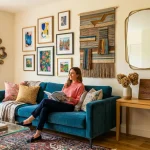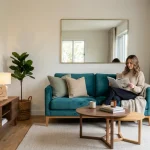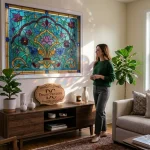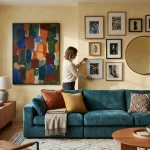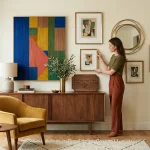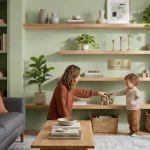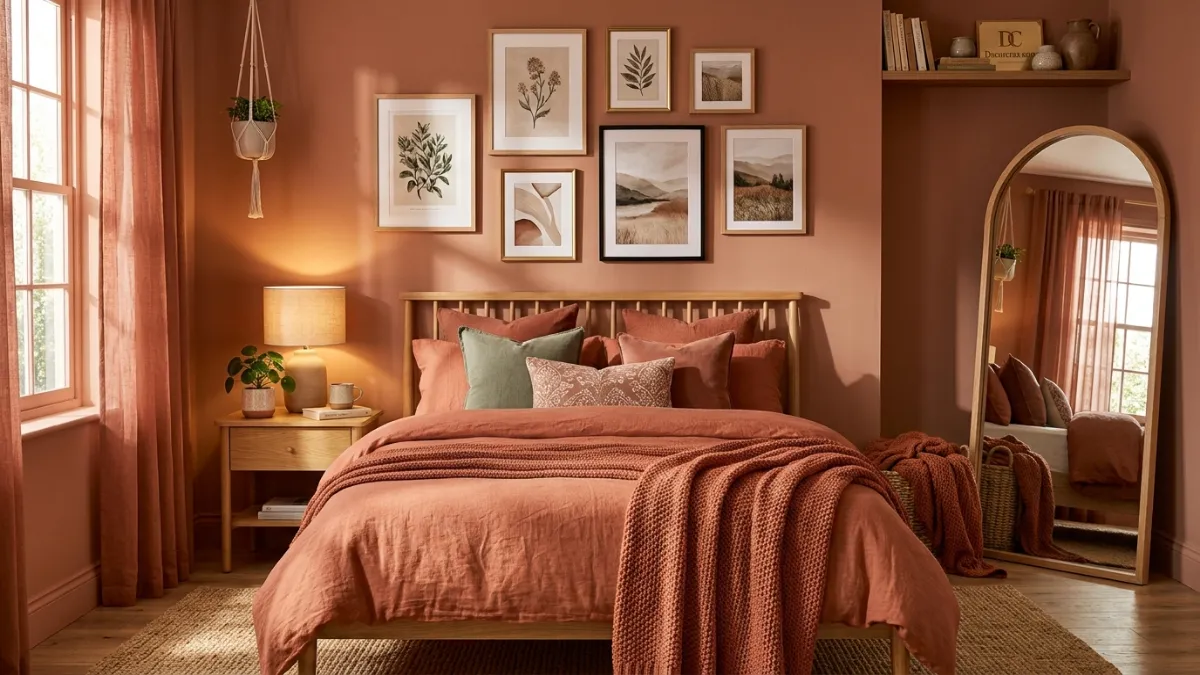
Aesthetic room decor is about making your space feel personal, visually balanced, and comfortable to use every day. You don’t need expensive furniture or a complete makeover to get the look.
A thoughtful color palette, better lighting, coordinated textiles, and a few meaningful decorations can transform an ordinary bedroom, living room, or study corner.
The easiest way to start is to identify what your room is missing. If it feels plain, introduce texture and wall art. If it looks cluttered, simplify the surfaces and improve storage. If it feels dull at night, add softer lighting at different heights.
If you’re decorating a small bedroom, a first apartment, a dorm room, or a larger living space, these aesthetic room decor ideas offer practical ways to create a room that suits your personality, space, and budget.
Choose an Aesthetic That Matches Your Personality
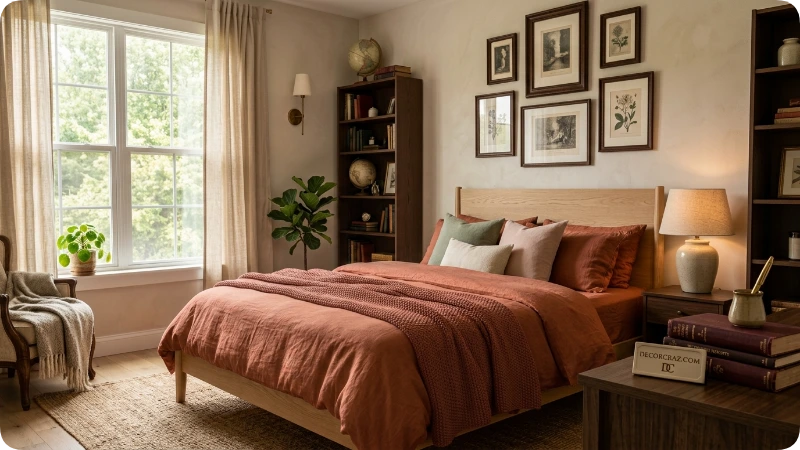
Before buying accessories, decide what you want the room to feel like. Choosing a clear design direction makes it easier to coordinate colors, furniture, fabrics, and decorative details.
Here are four styles to consider:
Soft Neutral Aesthetic
Cream, warm white, beige, and light wood create a restrained look. Use textured bedding, simple artwork, and ceramic accessories when you want the room to feel visually calm.
Pastel Aesthetic
Blush pink, pale lavender, soft blue, and sage green introduce color without dominating the room. Repeat one or two shades in bedding, cushions, artwork, or small accessories.
Dark Academia Aesthetic
Deep green, burgundy, brown, antique style frames, and warm wood create a dramatic atmosphere. This approach works well if you enjoy books, vintage details, and layered materials.
Modern Minimalist Aesthetic
Clean lined furniture, open surfaces, and a limited color palette keep the room simple. Choose a few distinctive pieces instead of filling every shelf or wall.
You can combine styles when they share colors or materials. For example, a neutral bedroom can incorporate vintage frames or pastel cushions without losing its overall direction. The important part is choosing one main style and using other elements as accents.
Build a Color Palette That Connects the Room

Color is one of the most useful tools for making separate pieces of furniture and decor look like they belong together. Even inexpensive furniture and secondhand accessories can look coordinated when their colors repeat thoughtfully.
Start with a main color for large visible surfaces, such as walls, bedding, or a sofa. Add a supporting color through curtains, a rug, or cushions. Then introduce a smaller accent through artwork, a lamp, or a decorative object.
For example, a bedroom could combine cream bedding, sage green cushions, light oak furniture, and deep green accents. A living room might use warm white walls, a beige sofa, rust colored cushions, and a wooden coffee table.
Consider these guidelines:
- Main color: Choose a shade that works with your existing walls and large furniture.
- Supporting color: Repeat it across a few smaller elements.
- Accent color: Use a contrasting shade sparingly to draw attention to a focal point.
- Connecting material: Repeat wood, metal, glass, or fabric textures to bring the palette together.
These are design guidelines rather than strict rules. A colorful maximalist room can look cohesive with many shades when patterns and colors are repeated deliberately.
Before buying new decor, look at what you already own. A cushion cover, framed print, or throw blanket may provide the accent color you need.
Layer Lighting for a Softer, More Interesting Room

Lighting can change how your room’s colors, fabrics, and furniture appear throughout the day. A single bright ceiling light may be useful for cleaning or finding things, but it offers less flexibility for relaxing, reading, or working.
Instead, combine general room lighting with task lighting and accent lighting.
- General lighting: Use your ceiling fixture or another suitable light source for everyday visibility.
- Task lighting: Place a desk lamp beside your workspace or a reading lamp near your favorite chair.
- Accent lighting: Add a table lamp or suitable decorative lighting to highlight a particular area.
For a bedroom, a bedside lamp creates a comfortable evening atmosphere while leaving the main ceiling light available for practical tasks. In a living room, a floor lamp beside the sofa can define a reading area without requiring additional furniture.
Warm white bulbs can complement wood, cream, beige, and earthy colors. If you use multiple lamps, choose bulbs with compatible color temperatures so one corner does not appear noticeably cooler than the rest.
If you rent or cannot change electrical fixtures, portable lamps are a practical alternative. Keep cables away from walkways, follow product instructions, and avoid placing lights against bedding or curtains.
Decorative string lights can add a gentle glow around a headboard or shelf, but they should supplement suitable room lighting rather than replace it.
Create a Wall Display That Feels Personal
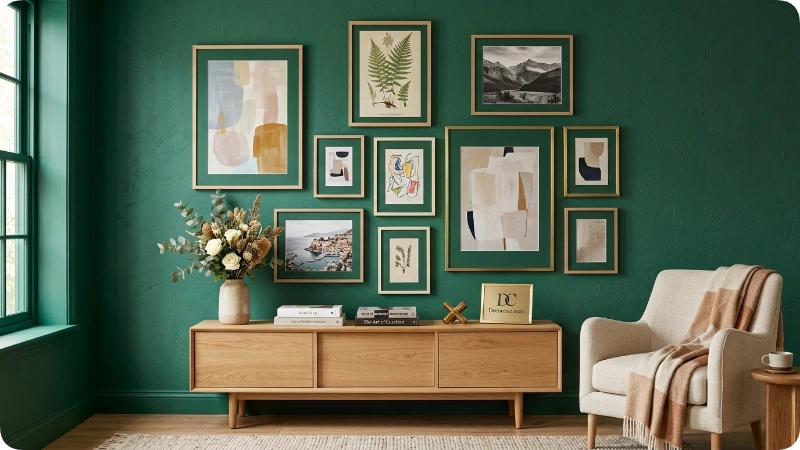
Blank walls offer an opportunity to introduce color, personality, and visual focus without changing your furniture. The key is choosing a display that fits the wall and room instead of scattering small decorations randomly.
A gallery wall works well above a bed, sofa, desk, or console. Combine framed photographs, illustrations, botanical prints, or artwork that shares a similar palette. The frames do not need to be identical, but repeating a finish or color helps the arrangement feel connected.
Before hanging anything, arrange the frames on the floor. Experiment with their spacing and take a photograph of the layout so you can judge the overall balance before committing.
Other options include:
- One oversized artwork: Creates a clear focal point with minimal visual clutter.
- A fabric wall hanging: Adds texture and softness, particularly in a bedroom.
- A picture ledge: Allows you to layer frames and change the display easily.
- Removable wall decor: Introduces color or patterns without requiring permanent changes, provided the product suits the surface.
- A personal photo display: Makes a bedroom or study feel individual.
Scale matters. A tiny frame above a large sofa can look disconnected, while an oversized arrangement may overwhelm a narrow wall. Match the display to the furniture below it and leave some open wall around the edges.
If you rent, check your lease and the suitability of your chosen hanging method. Adhesive products are not appropriate for every paint finish or surface, and removal can still cause damage.
Use Bedding and Textiles to Add Depth
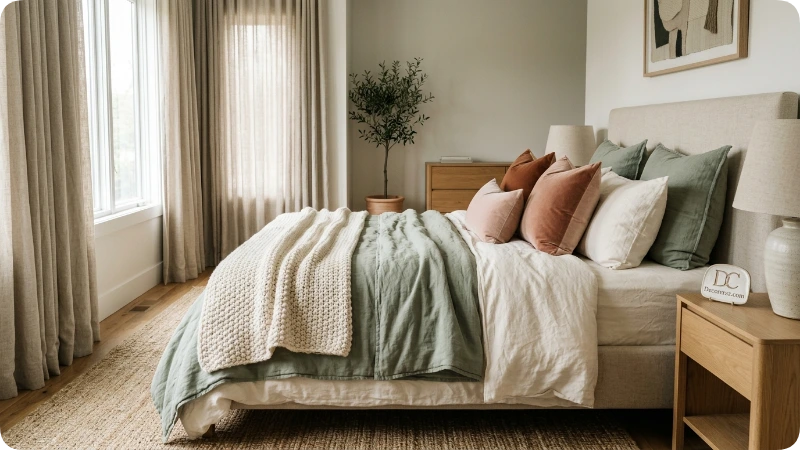
Textiles are especially useful when you want to change a room’s appearance without replacing its main furniture. Bedding, curtains, cushions, and throws introduce color and texture across large surfaces, helping the room feel more considered.
In a bedroom, begin with bedding that supports your chosen palette. Add a throw at the foot of the bed and a small selection of cushions in complementary fabrics. Cotton, linen look weaves, knitted materials, and velvet can provide contrast even when their colors are similar.
For a living room, use cushion covers to connect the sofa to the rug or artwork. A textured throw draped over one end of the sofa adds another layer without requiring additional furniture.
Curtains can also influence the room’s proportions. Hanging the curtain rod higher than the window frame, where practical, draws the eye upward. Wider placement can make the window treatment appear more substantial, provided it does not interfere with the window or surrounding fixtures.
When choosing textiles, consider everyday maintenance. Washable covers are useful in frequently used rooms, while easy care materials may be more practical for homes with pets or children.
Avoid layering so many blankets and pillows that the bed becomes difficult to use or the sofa loses its seating space. The goal is to make essential furniture look finished while preserving comfort and function.
Make a Small Room Look Styled Without Crowding It
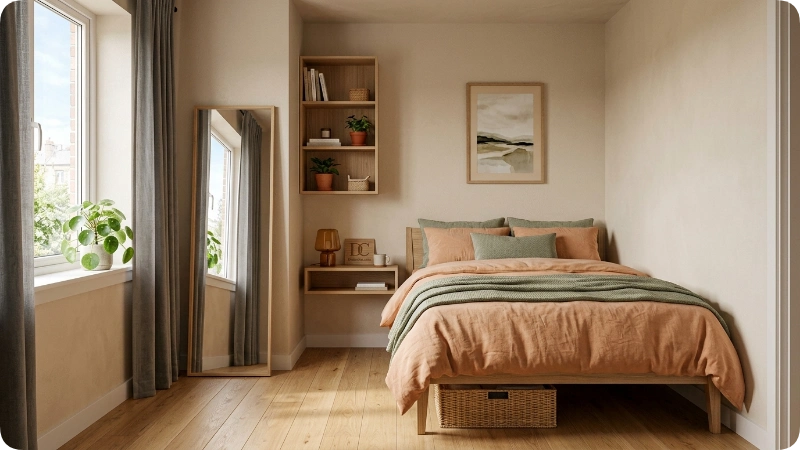
Small rooms benefit from deliberate choices because every large object takes up a meaningful share of the available space. Instead of adding more decoration, concentrate on pieces that improve the room’s appearance while serving a useful purpose.
Start with the layout. Make sure the door opens fully, drawers can be used, and the route between the bed, desk, or seating area remains clear. If a large piece of furniture makes movement difficult, rearranging it may produce a better result than buying new accessories.
Next, use vertical space. Narrow shelves, tall bookcases, and wall organizers can move belongings off the floor. Keep heavier items in stable storage and secure furniture that could tip according to the manufacturer’s instructions.
A mirror can also help a compact room feel brighter when positioned to reflect daylight or a useful view. It will not physically enlarge the room, but reflected light and added visual depth may make the space feel more open.
Try these practical changes:
- Replace a bulky bedside table with a narrow cabinet or compact shelf.
- Use under bed storage for items that do not need daily access.
- Choose a rug that suits the furniture layout.
- Use one substantial artwork or a carefully arranged gallery instead of filling every wall.
- Keep frequently used objects accessible and store less used items out of sight.
Dark colors are not automatically wrong for small rooms. A deep accent wall, dark bedding, or a richly colored chair can add depth and personality. The better choice depends on natural light, existing finishes, and the atmosphere you want.
If the room is already full, edit the contents before introducing another decorative piece. Open space is part of the design.
Decorate on a Budget With High Impact Changes
An aesthetic room makeover does not need to begin with a shopping trip. The most useful first step is identifying which part of the room looks unfinished or does not work well.
If the room feels messy, declutter visible surfaces and organize everyday items. If it feels flat, rearrange the furniture or add a contrasting textile. If it looks dark in the evening, improve the lighting before spending money on more accessories.
Once you know what needs changing, prioritize these improvements:
| Priority | Change to Try | Why It Helps |
| First | Rearrange and declutter | Improves the layout without purchase costs |
| Second | Change cushion covers or bedding | Introduces color and texture |
| Third | Improve portable lighting | Creates flexible lighting options |
| Fourth | Add artwork or a mirror | Establishes a focal point or reflects available light |
| Fifth | Update furniture details | Refreshes existing pieces instead of replacing them |
Thrift stores, secondhand marketplaces, and items you already own can provide frames, vases, books, trays, and small furniture pieces. Check secondhand furniture for stability, damage, odors, and signs of pests before bringing it home.
You can also update an existing dresser or bedside table with suitable replacement hardware. Keep the original parts if you rent or expect to restore the furniture later.
Set a spending limit before buying accessories. A few changes that solve a clear problem usually work better than many unrelated purchases. Prices vary by location, materials, and quality, so choose based on your actual budget.
Add Plants, Natural Materials, and Meaningful Details

Natural materials can make a room feel less flat by introducing visible differences in texture. A wooden side table, woven basket, ceramic vase, or cotton throw can add character even when the overall color scheme is simple.
Plants offer another way to introduce organic shapes and green tones. Choose varieties suited to your room’s available light and the care you can realistically provide. If the space is too dark for a particular plant, consider a suitable low light alternative or a well made artificial plant.
Placement matters more than quantity. A larger plant can fill an empty corner, while a small plant may suit a desk or shelf. Avoid placing greenery where it blocks a window, narrows a walkway, or makes a frequently used surface difficult to access.
Natural details also work in rooms without plants. Try a wooden picture frame, a woven storage basket, a stone look accessory, or a handmade ceramic piece. Repeating one or two materials in different areas helps the room feel connected.
Personal objects are equally important. Display a framed photograph, a meaningful souvenir, a favorite book, or artwork that reflects your interests. These details distinguish a lived in space from a room assembled solely to match an inspiration photograph.
Be selective about what remains visible. A small group of meaningful objects can make a stronger statement than a collection of unrelated ornaments. Keep delicate items away from unstable shelves, and place water holding vessels where spills will not damage furniture.
Style Your Desk or Favorite Corner With Purpose
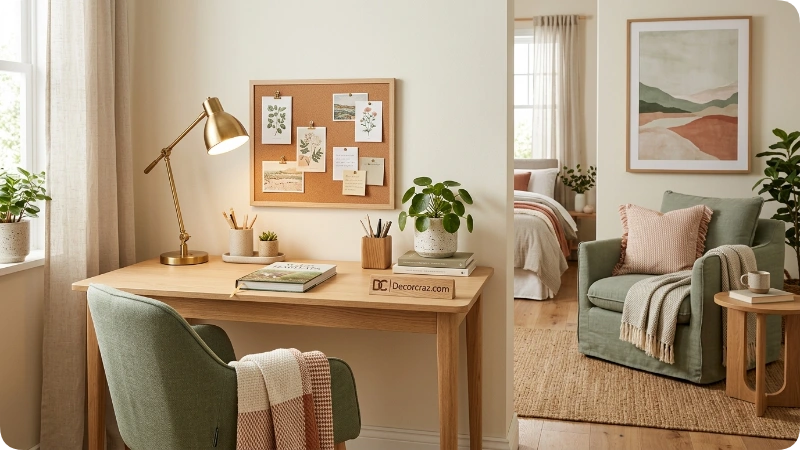
A desk, reading nook, or unused corner can become a distinctive part of your room without requiring a complete furniture makeover. The most effective approach is to give the area a clear purpose and arrange the decoration around that activity.
For a study desk, keep the working surface usable. Place a task lamp where it lights your work without shining directly into your eyes, and move spare stationery into a drawer or container. A framed print, a small pinboard, or one decorative object can personalize the setup without occupying essential workspace.
For a reading corner, begin with the seat you already own. Add a suitable reading light and a small side table if there is enough clearance. A cushion or throw can introduce color and texture, while a nearby shelf keeps books accessible.
If your room doubles as a bedroom and home office, use visual cues to distinguish the two functions. A desk lamp and organized work surface can define the work zone, while softer bedside lighting and different textiles distinguish the sleeping area.
In a tight room, do not force a separate seating area if it blocks movement. A compact stool, floor cushion, or well organized desk may be more practical than adding an armchair.
The best corner is one you can actually use. Leave enough room to pull out the chair, open drawers, reach electrical outlets, and move around comfortably. Decoration should support the activity rather than make it harder.
Keep the Room Cohesive With Simple Styling Rules
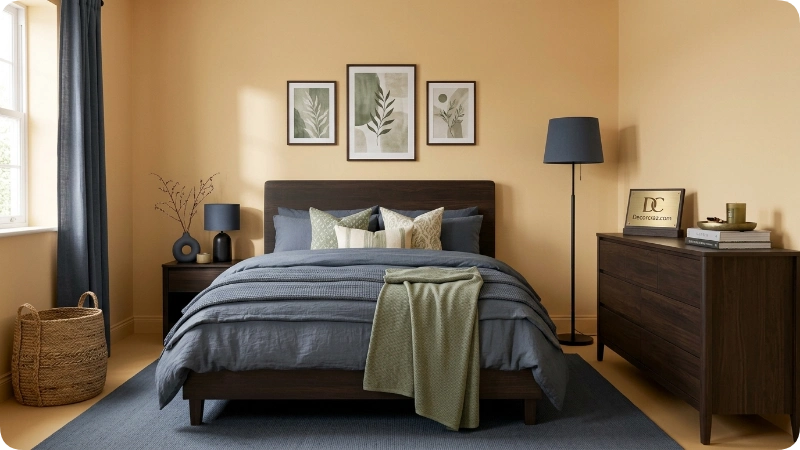
Once you have chosen the main pieces, the finishing touches help them work together. You do not need to follow a rigid decorating formula. Instead, look for visual relationships between the objects already in the room.
Repeat colors deliberately. If your artwork contains muted green, repeat that shade in a cushion or small accessory. This creates a connection between different areas without requiring everything to match exactly.
Vary heights and shapes. On a dresser or shelf, place a taller lamp beside a shorter tray or a low stack of books. Different heights help the arrangement feel more dynamic, while curved objects can soften a room dominated by rectangular furniture.
Leave breathing room. Empty space around artwork, lamps, or decorative groups allows each element to remain visible. If a surface looks crowded, remove a few items before adding anything else.
Keep practical objects organized. Chargers, remotes, paperwork, and spare cables can make a carefully styled room appear untidy when scattered across visible surfaces. A small organizer or designated storage area makes everyday maintenance easier.
Check the room in different lighting. Colors can appear different in daylight and under artificial light. Review your palette in the morning and evening before deciding if another lamp, textile, or accent color is necessary.
Finally, live with the arrangement before making more changes. You may discover that moving one frame, removing a cushion, or changing a lamp’s position solves the problem. A room does not need to be filled to feel complete.
Frequently Asked Questions
How can I make my room look aesthetic without buying new furniture?
Start by rearranging your existing furniture, clearing unnecessary clutter, and choosing a consistent color palette. Refresh the appearance with textiles you already own, move artwork to a more visible position, or reorganize a shelf. These changes let you improve the room before committing money to a makeover.
How do I decorate an aesthetic room in a rental apartment?
Use portable lamps, removable artwork, freestanding shelves, cushion covers, rugs, and other decorations that can move with you. Before using adhesive hooks or removable wallpaper, check the product’s surface compatibility and your lease requirements. Removable products can still damage certain finishes.
What should I do first when decorating a small bedroom?
Start with the layout and the furniture you use most. Keep walking paths clear, make storage more effective, and decide which area should be the focal point. Then choose bedding, lighting, and wall decor that support the layout instead of competing with it.
Conclusion
Creating an aesthetic room doesn’t require expensive furniture or a complete makeover. The best room decor ideas start with understanding your space, choosing a style you love, and making thoughtful changes that improve both appearance and comfort.
From coordinating colors and layering lighting to adding wall art, textured bedding, plants, and personal accessories, small updates can make your room feel more organized and visually appealing. If you’re decorating on a budget or working with a small bedroom, focus on what you already own before buying anything new.
Keep the layout practical, avoid unnecessary clutter, and choose decorations that reflect your personality. With a little creativity and careful planning, you can create an aesthetic room that feels inviting, functional, and uniquely yours.

I am Claudia Winkle, a passionate Name Researcher and Content Writer at decorcraz.com. I enjoy exploring the meanings, origins, history, and cultural significance behind names from around the world. Through carefully researched and engaging articles, I help readers discover unique names, understand their stories, and find meaningful naming inspiration for every occasion. My goal is to make name research simple, interesting, and useful for readers looking for the perfect name.