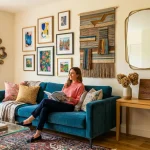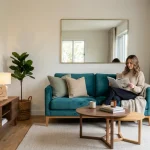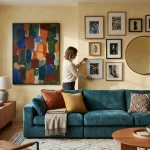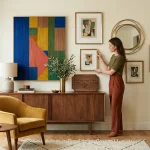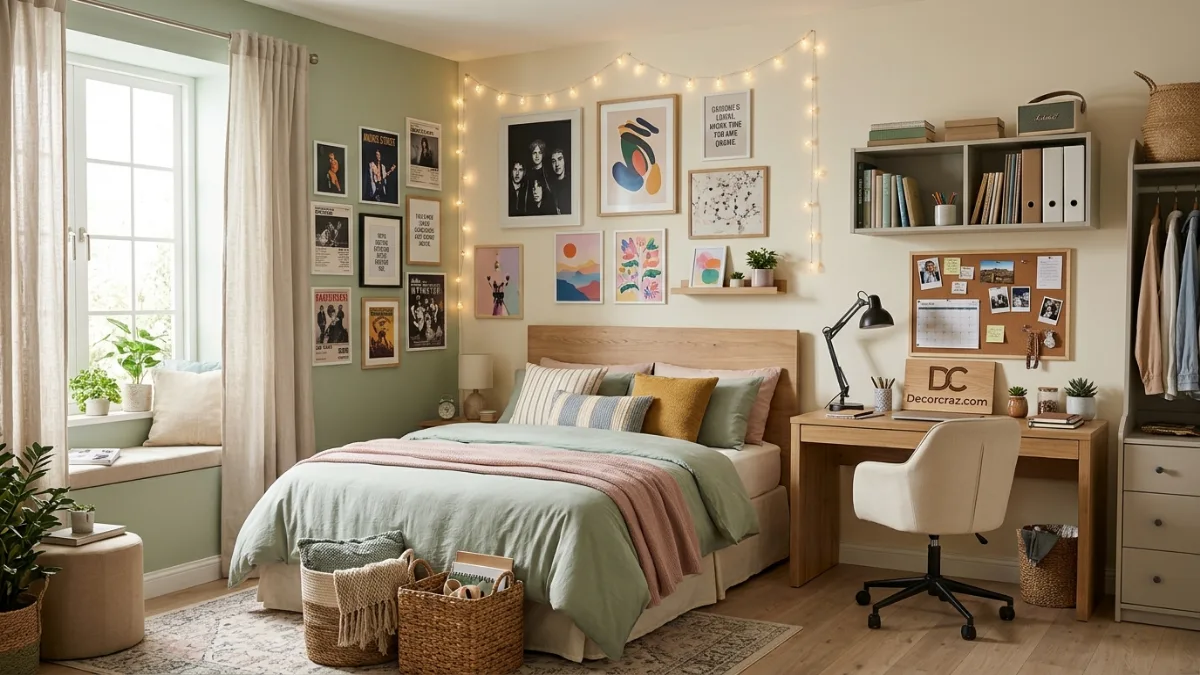
Teen room decor ideas can help transform an ordinary bedroom into a stylish, comfortable, and personalized space. if you prefer a minimalist look, colorful wall art, cozy bedding, or modern lighting, the right decorations can reflect your personality while making your room more functional.
From small bedroom layouts and budget-friendly makeovers to organized study corners and creative gaming zones, there are plenty of ways to improve your space without replacing all your furniture.
Simple updates like adding decorative pillows, arranging favorite photos, using smart storage solutions, and choosing a coordinated color palette can make a noticeable difference.
The key is to balance style with everyday needs, creating a bedroom that feels relaxing, supports studying and hobbies, and adapts as your interests change. These teen room decor ideas will help you design a space that feels uniquely yours.
Choose a Bedroom Style That Matches Your Personality

Before buying decorations, decide how you want the room to feel. A clear direction makes it easier to combine colors, furniture, and accessories without creating visual clutter.
- Minimalist: Choose simple bedding, clean furniture lines, and a limited color palette. This suits teens who prefer an uncluttered space.
- Colorful and creative: Mix expressive artwork, patterned textiles, and a few bright accessories. Keep larger surfaces calmer so the colors remain balanced.
- Soft and cozy: Use warm neutrals, gentle pastel shades, textured blankets, and warm lighting.
- Dark and moody: Try charcoal, deep blue, forest green, or burgundy with lighter bedding or wood accents for contrast.
- Modern and natural: Combine white or beige walls, wood furniture, greenery, and woven textures.
You can also combine styles. A neutral bedroom with colorful posters, for example, is easy to update as your interests change.
Refresh the Bed With New Bedding and Layers
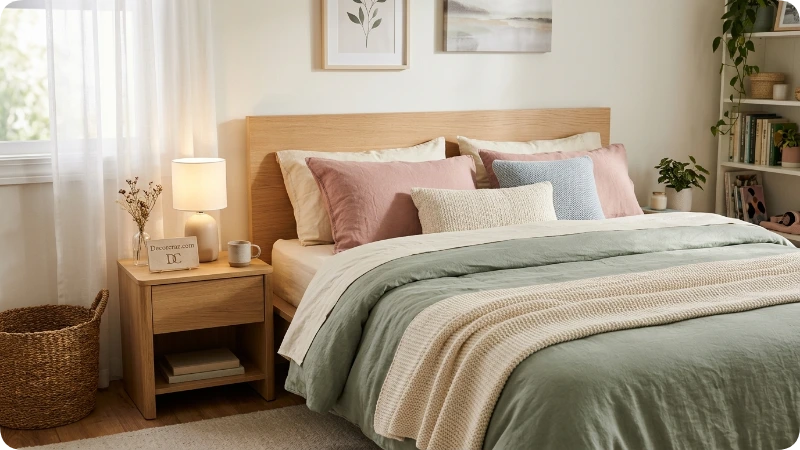
The bed often occupies a large portion of a teenager’s bedroom, so changing its appearance can transform the room without replacing furniture.
Start with a duvet cover or comforter in a color that works with the walls. Add a few pillows in different textures, then finish with a throw blanket folded across the foot of the bed.
For a simple look, use two main colors and one accent color. For a more expressive bedroom, introduce a patterned duvet or mix complementary prints.
Make it practical: Choose washable covers and avoid piling decorative pillows so high that there’s nowhere to put them at night. In a small bedroom, a neatly made bed with coordinated bedding can make the whole space feel more organized.
Decorate the Walls With Posters, Art, and Photos

Wall decor gives a teen bedroom personality without taking up floor space. Artwork can reflect favorite music, films, sports, photography, hobbies, or original drawings.
A gallery wall above the bed or desk works well when the frames share a color or visual theme. The artwork itself can vary, so the arrangement feels collected rather than overly coordinated.
For a more relaxed arrangement, use removable poster strips, a picture ledge, or a corkboard. These options make it easier to change displays without repeatedly making holes in the wall.
- Place the main artwork where it can be seen from the doorway.
- Arrange several smaller pieces around one larger focal piece.
- Leave some wall space empty to prevent the display from feeling crowded.
- Check that hanging objects are securely mounted, especially above the bed.
If you’re renting or sharing a room, removable solutions are usually a better starting point than permanent wall treatments.
Add Warm Lighting for Different Activities
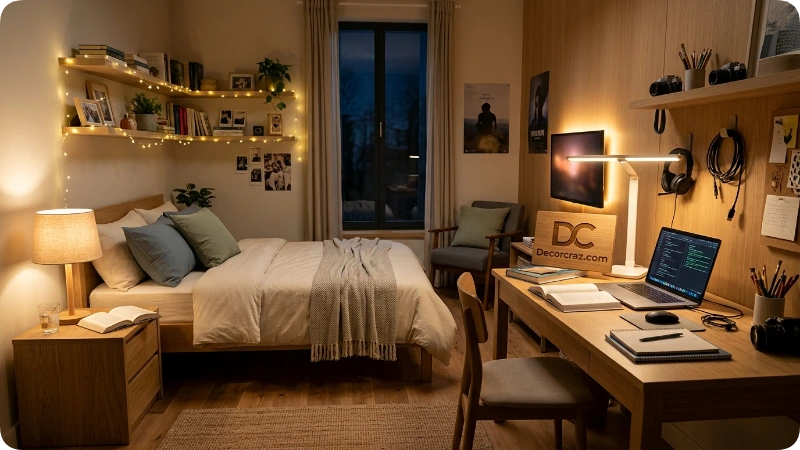
Lighting affects how comfortable a room feels and how well different areas function. Instead of relying on one overhead light, combine several light sources for different purposes.
- Bedside lamp: Provides convenient light for reading and winding down.
- Desk lamp: Directs light onto homework, drawing, or other detailed tasks.
- Decorative string lights: Add a gentle glow around a shelf, headboard, or photo display.
- LED accent lighting: Highlights a desk, gaming area, or shelving unit.
Choose lighting that suits the room’s main colors. Warm white light works well with cream, beige, and natural wood, while adjustable colored LEDs give a gaming or creative setup more flexibility.
Keep electrical cords organized, avoid overloaded outlets, and follow the manufacturer’s instructions for mounting and using lights. Decorative lighting should never obstruct walkways or interfere with safe access to the bed and desk.
Make a Small Teen Bedroom Feel More Spacious

In a small bedroom, the layout matters more than the number of decorations. Preserve the clearest walking route first, then add storage and visual details around it.
Try these changes:
- Use under-bed storage: Store seasonal clothes, spare bedding, or rarely used items in containers that slide out easily.
- Use wall space: Install suitable shelves or a wall organizer instead of adding another floor-standing cabinet.
- Choose a compact desk: A narrow desk can provide a study area without dominating the room.
- Use a mirror strategically: Place a mirror where it reflects daylight or a pleasant part of the room.
- Keep the floor visible: Move loose bags, laundry, and extra furniture out of walking areas.
Light wall colors can help a room feel open, but they are not a substitute for a workable layout. A dark accent wall can also look attractive in a small bedroom when the furniture placement and lighting are considered carefully.
If a full-size desk will not fit, a compact wall-mounted desk or a suitable fold-down work surface may be a better option.
Create a Study Corner That Stays Organized
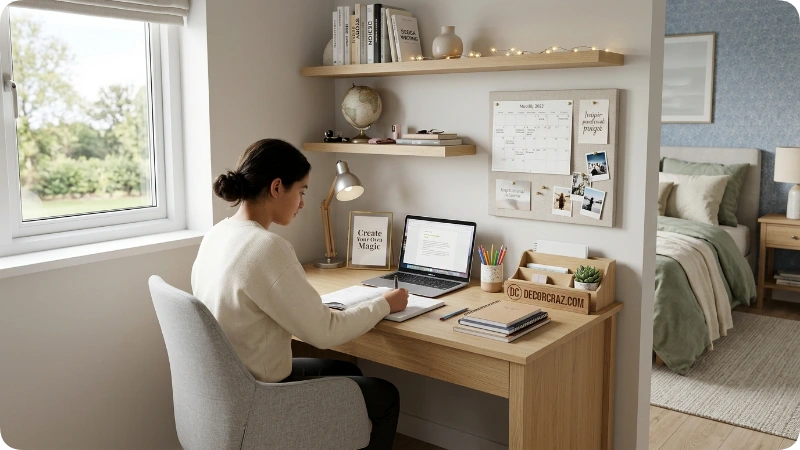
A study corner should make it easy to begin homework without clearing a pile of decorations first. Position the desk near a window when practical, while avoiding glare on a computer screen. If daylight is limited, use a desk lamp that illuminates the work surface.
Keep everyday supplies within reach using pencil cups, shallow drawers, or a small desktop organizer. A pinboard or calendar can hold school reminders, while a shelf above or beside the desk can store books and display a few personal items.
In a shared bedroom, use a desk organizer or a small rolling cart to keep study materials together. When homework is finished, the supplies can be put away without taking over the sleeping area.
Design tip: Let the desk serve as the functional center of the study corner. Use artwork and color around it, rather than filling the work surface with decorative objects.
Add Storage That Doubles as Decor

Storage works best when it matches the items being stored. Large containers are useful for bulky clothes and blankets, while small trays are better for jewelry, stationery, and everyday accessories.
Consider these options:
- Open shelves: Display favorite books, framed art, small collections, or a few decorative objects.
- Matching storage boxes: Conceal small items that would otherwise make shelves look messy.
- Woven baskets: Hold laundry, spare blankets, or soft accessories.
- Drawer dividers: Separate small belongings so they are easier to find.
- A storage ottoman: Provides extra seating or a place to keep blankets, provided it fits comfortably in the available space.
Open storage is attractive when its contents are arranged intentionally, but closed storage is usually more practical for miscellaneous belongings. Use a combination so the room feels personal without requiring every item to be perfectly displayed.
Try a Removable Accent Wall
An accent wall gives a bedroom a stronger visual identity without requiring every wall to change. The wall behind the bed is a natural place to start because it can act as the room’s main backdrop.
Choose a treatment that suits your level of commitment:
- Lowest commitment: Arrange posters, lightweight framed art, or a fabric wall hanging.
- Temporary update: Use removable wallpaper or decals approved for the wall surface.
- DIY project: Create a geometric pattern with paint, provided painting is permitted.
- Longer-term change: Consider wallpaper or a painted feature wall if the room is yours to modify.
A large pattern can become overwhelming when combined with busy bedding and crowded shelves. If the wall has a bold print, use simpler textiles nearby. For a subtle effect, choose a tone-on-tone pattern or a muted color that complements the furniture.
Always test removable products in an inconspicuous area and check the manufacturer’s instructions. Adhesives can still damage some finishes, even when a product is marketed as removable.
Set Up a Gaming or Hobby Zone

If gaming, music, drawing, reading, or crafting is a major part of daily life, give that activity a defined place in the bedroom.
For a gaming setup, keep the monitor at a comfortable viewing position, arrange cables so they do not cross walking paths, and provide enough desk space for the keyboard, controller, and other equipment. A headset stand or small drawer can keep accessories off the work surface.
For creative hobbies, use a pegboard, labeled containers, or a portable supply cart. A reader might prefer a small chair and reading lamp, while a musician may need a designated area for an instrument and its accessories.
The goal is to make the hobby easy to enjoy and easy to put away. If the room is small, a shared desk can work for both homework and hobbies when supplies have separate storage.
Use Rugs, Curtains, and Textures to Define the Room

Soft furnishings can change the appearance of a bedroom without replacing its major furniture. They also help distinguish different areas in a room that serves several purposes.
A rug can visually anchor the bed or seating area. Choose a size that relates to the furniture rather than a tiny mat that appears disconnected from everything else. In a small room, make sure the rug does not create a tripping edge or interfere with doors.
Curtains can frame a window and introduce color or pattern. Hanging them high enough to suit the window and room proportions can create a more continuous vertical line, provided the installation is secure.
Mix textures instead of adding more colors. Cotton bedding, a knitted throw, a woven basket, and smooth wood can create visual interest even within a restrained palette. In a patterned room, plain curtains and a simple rug may provide the balance needed.
Personalize the Room With Collections and Meaningful Objects
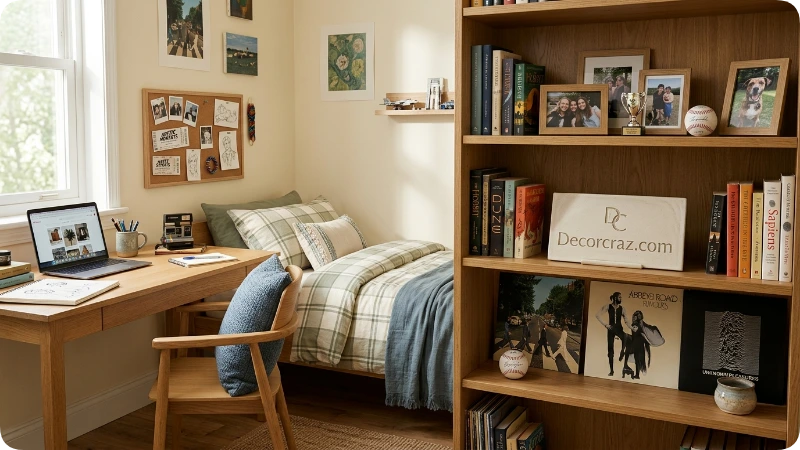
A bedroom feels more individual when it reflects the person who uses it. Favorite books, sports memorabilia, travel souvenirs, artwork, musical interests, and handmade pieces can make the space feel more personal than a room filled with matching accessories.
Select a few items that matter most and give them a deliberate place. A shelf can display a collection, a framed photograph can personalize a bedside table, or a corkboard can hold rotating memories and inspiration.
Keep valuable or fragile objects away from unstable shelves and areas where they could fall. If a collection is large, rotate the display instead of trying to fit everything into one room.
The advantage of this approach is flexibility: personal interests can change while the main furniture and color scheme stay in place.
Decorate on a Budget Without Replacing Everything
A room makeover does not need to begin with a shopping list. First, identify the biggest problem: uncomfortable bedding, poor lighting, clutter, empty walls, or a layout that wastes space. Solve that problem before buying accessories.
| Budget approach | What to change | Why it helps |
| No-spend refresh | Rearrange furniture, edit displays, reuse existing textiles | Changes the layout and reduces clutter |
| Low-cost update | Add prints, pillow covers, storage boxes, or a secondhand lamp | Introduces personality without major purchases |
| DIY makeover | Make a photo display, repaint a permitted small item, or customize organizers | Creates a more personal look |
| Larger investment | Improve the mattress, desk, storage furniture, or lighting | Addresses daily comfort and practical needs |
Secondhand furniture can be useful when it is sturdy and fits the room, but inspect it for damage, stability, and signs of pests before bringing it indoors.
Spend first on items used every day. Decorative accessories can come later, once the room’s layout and storage are working well.
How to Put Your Teen Room Makeover Together
The easiest way to avoid wasted money is to decorate in stages:
- Decide which activities the room needs to support.
- Arrange the bed, desk, and storage to preserve usable floor space.
- Choose a main color palette and one focal point.
- Improve bedding and lighting before adding small accessories.
- Add personal artwork, collections, and hobby displays.
- Review the room after living with the changes before buying anything else.
If parents and teens are decorating together, agree on the practical requirements first, then let the teenager lead the choices involving colors, artwork, and personal displays. This makes it easier to create a room that works for everyday life without losing its individuality.
FAQs About Teen Room Decor Ideas
How can I decorate my teen bedroom on a budget?
Refresh your bedding, rearrange furniture, create DIY wall art, reuse existing decorations, and add affordable storage boxes. Small changes can make your bedroom feel new without spending much money.
How can I make a small teen bedroom look bigger?
Use light colors, keep the floor clear, choose compact furniture, and make use of vertical wall space. Under-bed storage and mirrors can also help the room feel more open.
What are the best colors for a teen bedroom?
Popular design choices include white, beige, sage green, pastel pink, navy blue, and charcoal gray. Choose colors that reflect your personal style and complement your existing furniture.
How can I decorate my teen bedroom walls without painting?
Use framed artwork, photo collages, removable wallpaper, decorative decals, picture ledges, or corkboards. These options add personality without requiring permanent changes.
How can I make my teen bedroom look aesthetic?
Choose a consistent color palette, coordinate your bedding, add warm lighting, display meaningful artwork, and keep clutter under control. A few carefully chosen decorations can create a more polished look.
How can I create a study area in a teen bedroom?
Choose a desk that fits your available space, add a comfortable chair and task lamp, and organize school supplies with drawers or containers. Keep the work surface clear for studying.
How can I personalize my teen bedroom?
Display favorite photographs, artwork, books, sports memorabilia, music-related decorations, or hobby collections. Choose items that reflect your interests and arrange them in a way that keeps the room organized.
Conclusion
Teen room decor ideas can help transform an ordinary bedroom into a comfortable, stylish, and personal space. From refreshing bedding and adding wall art to creating a study corner and improving storage, small changes can make a noticeable difference without requiring a complete makeover.
Choose colors, lighting, and decorations that reflect your personality while keeping everyday needs in mind. If you have a small room or a limited budget, focus on smart furniture placement, affordable accessories, and practical storage solutions.
You can also personalize your space with favorite photos, hobbies, collections, and creative DIY projects. Start with the changes that matter most, then add details gradually. The goal is to create a bedroom that looks good, feels comfortable, supports your daily routine, and grows with your changing interests.

I am Claudia Winkle, a passionate Name Researcher and Content Writer at decorcraz.com. I enjoy exploring the meanings, origins, history, and cultural significance behind names from around the world. Through carefully researched and engaging articles, I help readers discover unique names, understand their stories, and find meaningful naming inspiration for every occasion. My goal is to make name research simple, interesting, and useful for readers looking for the perfect name.