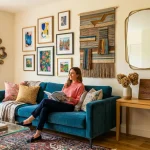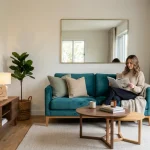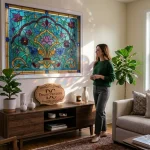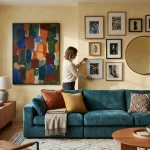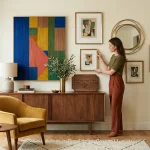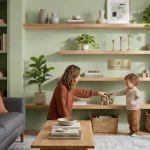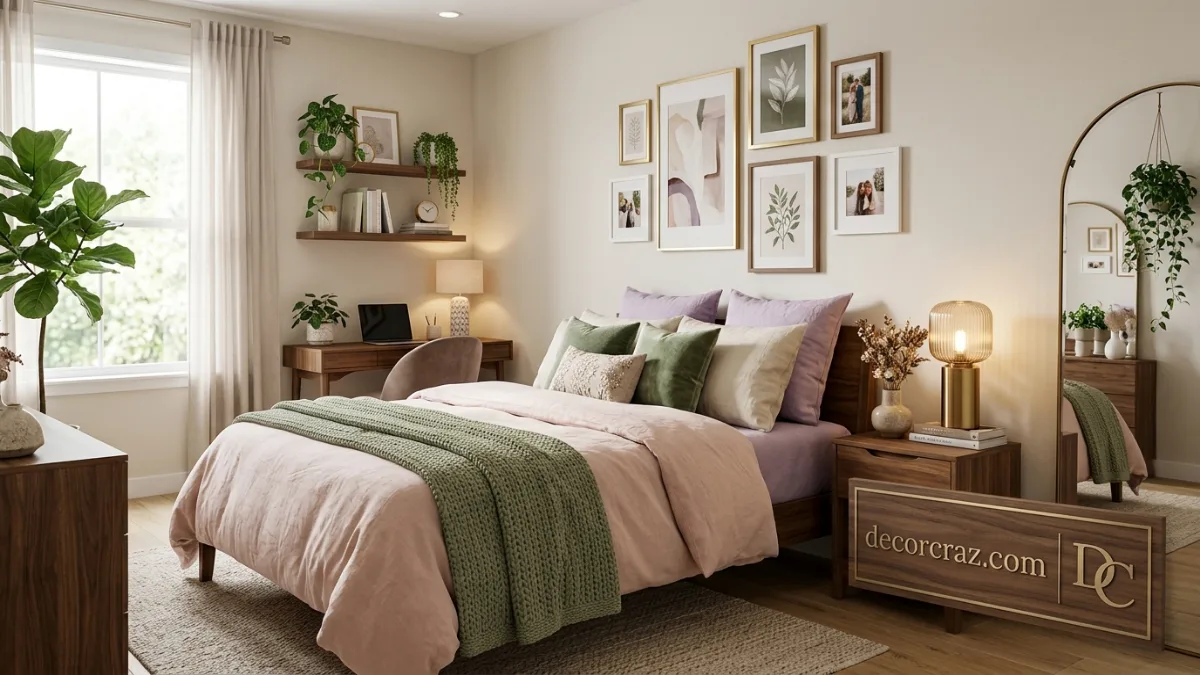
A room can feel completely different with a few thoughtful changes. Imagine walking into a bedroom with soft lighting, a neatly styled bed, favorite pictures on the wall, and colors that work together. Nothing needs to be expensive or perfectly matched. The space simply feels personal, comfortable, and visually connected.
The best aesthetic room decor ideas start with a clear style rather than a long shopping list. You might prefer a soft pastel bedroom, a nature inspired retreat, a clean minimalist space, or a colorful room filled with art and personal collections.
Each can work beautifully when the colors, lighting, furniture, and accessories support the same overall look. You also do not need to redecorate everything at once. Rearranging furniture, displaying items you already own, and improving the lighting can make a noticeable difference before you spend money.
Start With a Color Palette That Fits Your Style
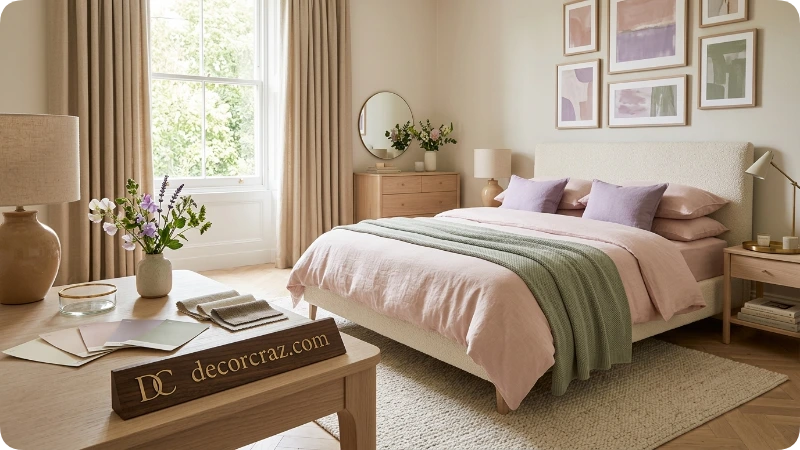
Color gives a room visual direction. When wall colors, bedding, curtains, and accessories complement one another, the space feels intentional instead of crowded.
Choose one main color family first. You can build around it with neutrals and a smaller accent color.
- Soft and dreamy: Blush pink, lavender, cream, and pale blue create a gentle look.
- Nature inspired: Sage green, warm white, tan, and natural wood suit a relaxed space.
- Minimalist: White, beige, gray, and black create clear contrast without many decorative details.
- Colorful and creative: Combine a neutral background with selected bright colors in artwork, cushions, or accessories.
You do not have to match every item exactly. Different shades and textures make a room more interesting. For example, a cream duvet, a beige knitted throw, and a light wooden bedside table can work together without looking identical.
Before buying anything, collect a few pictures of rooms you like and identify the colors they share. Use that palette to decide if a new accessory belongs in your room.
Choose an Aesthetic That Matches Your Personality

An aesthetic works best when it reflects how you want to use your room. You can borrow ideas from popular decorating styles without copying every detail.
Soft and Dreamy Decor
Use pastel bedding, sheer curtains, delicate wall art, and a small bedside lamp. This approach suits bedrooms where you want a gentle, light appearance. Keep the larger pieces simple so decorative details remain noticeable.
Minimalist Room Decor
Choose furniture with clean lines, a limited color palette, and only a few displayed accessories. The benefit is visual clarity and easier everyday tidying. If the room feels too plain, introduce a textured throw, a distinctive lamp, or artwork with a strong shape.
Boho and Nature Inspired Decor
Natural wood, woven baskets, textured cushions, plant pots, and earthy colors create a relaxed, layered look. This style works particularly well when you enjoy collecting objects with different materials and finishes. In a small room, limit the number of floor accessories so the walking area remains open.
Dark Academia Decor
Deep brown, forest green, burgundy, books, framed illustrations, and warm toned lamps can create a study inspired atmosphere. This look works best when the room has enough light for its main activities. In a dim room, use lighter bedding or artwork to balance the darker elements.
Colorful and Eclectic Decor
Mix artwork, patterned textiles, playful accessories, and colors that reflect your interests. The key is to give the room one visual anchor, such as a colorful bedspread or gallery wall. Repeating one or two colors elsewhere helps different objects feel connected.
Use Lighting to Change the Mood of Your Room
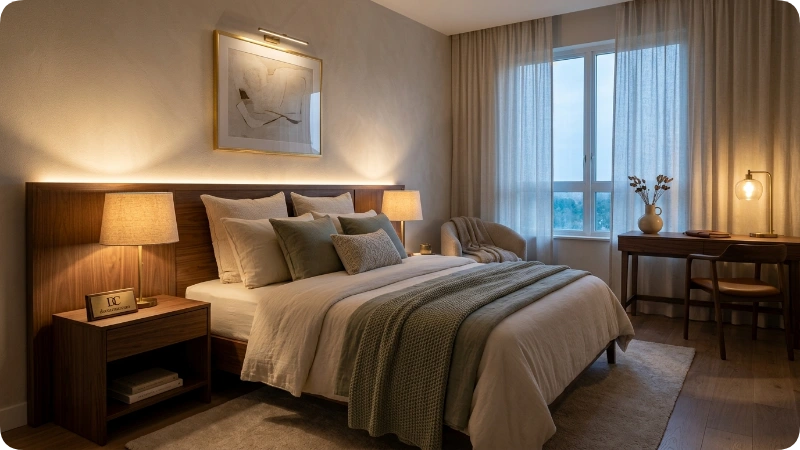
Lighting can change how colors, furniture, and textures appear. Rather than relying entirely on a bright ceiling light, consider adding a second light source for reading, relaxing, or highlighting a particular corner.
Try these options:
- A bedside lamp: Creates a focused pool of light for reading or winding down.
- A desk lamp: Lights your work surface without requiring the entire room to be brightly lit.
- Warm white LED lights: Provide a softer visual effect than some cool white lighting, depending on the bulb and surrounding colors.
- Indirect LED lighting: A light strip designed for indirect use can highlight a desk or shelf without becoming the room’s main focal point.
- Natural daylight: Keep window areas as unobstructed as practical to make better use of available daylight.
Avoid putting every light source in one corner. A desk lamp, a bedside lamp, and suitable ceiling lighting can serve different purposes.
For safety, use lights according to their manufacturer’s instructions, avoid damaged cords and overloaded outlets, and keep electrical lighting away from fabrics and other materials that could obstruct ventilation or contact hot components.
Create a Wall That Reflects Your Interests

Wall decor can give a room character without taking up valuable floor space. The most useful approach is to choose a wall that naturally attracts attention, such as the wall behind the bed or above a desk.
Make a Gallery Wall
Combine framed prints, photographs, illustrations, or artwork you have created yourself. Lay out the arrangement on the floor before hanging anything. This helps you compare spacing and avoid unnecessary holes.
A large wall can usually accommodate a larger composition, while a narrow wall may look better with two or three carefully selected pieces.
Display Personal Photographs
Use a consistent frame style or repeat a few colors across the display. You can also arrange photographs on a pinboard or another suitable display surface if you prefer to change them regularly.
Add One Statement Artwork
A single larger piece can make a stronger focal point than many tiny decorations scattered across the wall. Choose a subject and color scheme that work with your bedding and furniture.
Style Floating Shelves
Use shelves for objects that are worth displaying, such as a small collection of books, framed artwork, or a meaningful keepsake. Keep frequently used items easy to reach, and ensure shelves and their fixings are appropriate for the wall and the weight they will support.
If you rent, check your lease before painting or installing permanent fixtures. Removable hooks may be an option, but confirm their weight limits and surface compatibility first.
Style Your Bed With Texture and Layers

In a bedroom, the bed often occupies a large part of the visible space. Styling it thoughtfully can therefore change the room’s overall appearance without replacing the furniture.
Start with bedding that fits the palette you chose earlier. Add one textured blanket or throw, then use a small number of cushions in complementary shades or patterns.
For example, a sage green duvet, cream pillowcases, and a beige knitted throw provide contrast through both color and texture. A patterned cushion can introduce personality without competing with every other element.
Keep comfort in mind. Bedding should be easy to wash, and decorative layers should be simple to remove when you want to sleep. If your bed already has a strong pattern, choose quieter accessories rather than adding several competing prints.
Decorate a Small Room Without Making It Feel Crowded
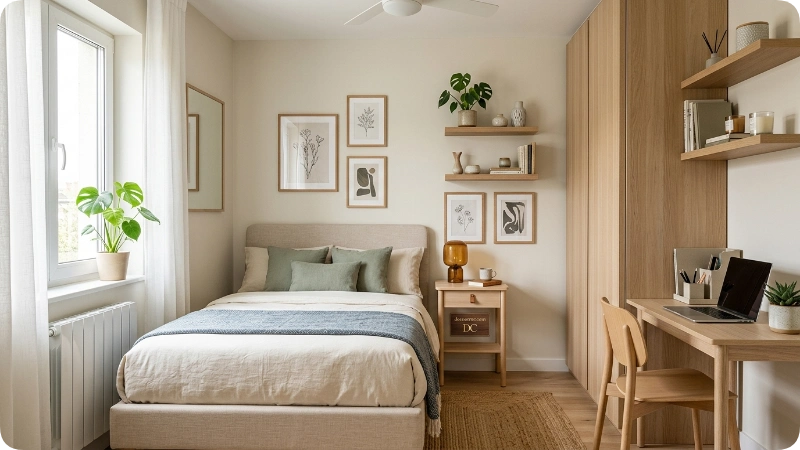
A small room does not need lots of miniature decorations to look finished. It needs a layout that supports daily movement and a few details that are visible without crowding the space.
Try these adjustments:
- Keep the main walkway clear. Arrange furniture so you can move between the door, bed, and storage without squeezing past decorative items.
- Use wall space thoughtfully. A suitable shelf or vertical artwork can add interest without occupying the floor.
- Consider a mirror. Placed where it reflects a window or another bright area, a mirror can increase the sense of light and visual depth. The result depends on what it reflects.
- Choose furniture for the actual space. Measure before buying a desk, bedside table, or storage unit. A piece that blocks a doorway or drawer can make a room less useful.
- Reduce visible clutter. Store everyday supplies in accessible containers and display only the objects you want to see.
Low profile furniture and vertical elements can also help maintain open sightlines in a compact room. These are design techniques, not guarantees that every small space will look larger.
If your room doubles as a bedroom and study, protect the space needed for schoolwork. A neat desk, a comfortable chair, and task lighting are more valuable than extra decor that takes up the work surface.
Give Your Desk a Coordinated Aesthetic
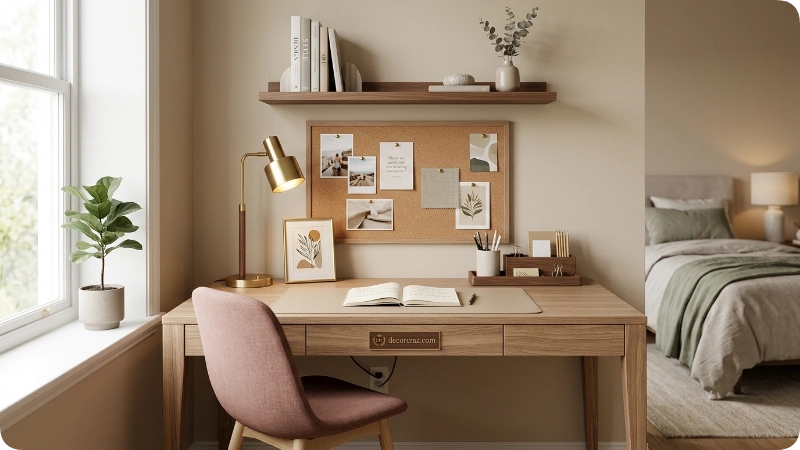
A desk can be attractive and practical at the same time. Start by organizing the objects you use most often, then decorate the space around them.
- Choose a desk mat that complements the room’s color palette.
- Use a small organizer for pens, notebooks, and stationery.
- Add a framed print or pinboard above the desk if there is suitable wall space.
- Position a desk lamp to illuminate your work without creating distracting glare.
- Keep cables organized and away from areas where they could snag or become damaged.
Avoid filling the entire desk with accessories. Leave enough room to write, use a laptop, or complete other tasks comfortably.
If you share the room with someone else, keep your decor within your own desk area or another agreed upon space. A defined arrangement helps you personalize the room without taking over shared surfaces.
Add Plants and Natural Materials Where They Make Sense
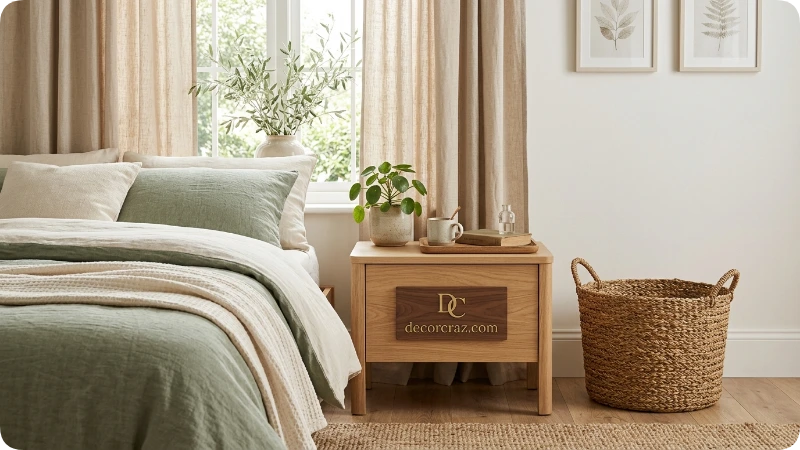
Plants and natural materials can introduce variation to a room filled with painted walls, smooth furniture, and fabric. Their value comes from the contrast they create, not from how many you own.
A small plant can work on a suitable windowsill, while a larger plant may suit an unused corner if there is enough room around it. Check the plant’s light and care requirements before choosing a location. If natural light or maintenance is a concern, a well made artificial plant can provide a similar decorative color and shape.
Other natural looking details include:
- A woven basket for blankets or everyday items.
- A wooden tray to group small objects on a bedside table.
- Linen or cotton textiles for a different surface texture.
- A ceramic planter or vase to introduce a contrasting shape.
Avoid placing pots where water could damage furniture or flooring. Keep plants away from places where they obstruct doors, walking routes, or frequently used surfaces.
Try Budget Friendly DIY Room Decor
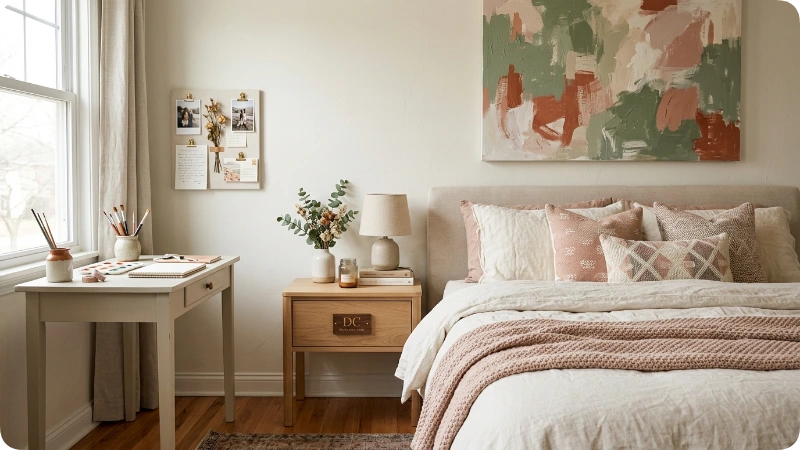
You can create a more personal room without purchasing a complete set of new decorations. DIY projects are especially useful when you want something that matches your exact colors or interests.
Make Your Own Wall Art
Create an abstract painting, arrange cut paper shapes, or frame your own illustrations. Repeat one or two colors from the room to help the finished piece fit the existing decor.
Repurpose Containers
A clean, stable container can hold stationery, makeup brushes, or other small supplies. Check that it is suitable for the intended contents and has no sharp edges.
Refresh an Existing Frame
If you already have a plain frame, consider decorating its border with an appropriate craft material or painting it with a finish suitable for the frame’s surface. Test materials on a small, inconspicuous area first.
Create a Photo or Inspiration Board
Arrange personal pictures, drawings, postcards, or reminders on a board that can be updated as your interests change. This is particularly useful above a desk or beside a wardrobe.
Choose projects that match your skills and available tools. Avoid DIY electrical work, unstable wall installations, or craft materials that require ventilation or protective equipment unless an adult can help you follow the product’s safety instructions.
Make a Rental Friendly Aesthetic Room
If you cannot paint walls or make permanent changes, focus on items that can move with you. Soft furnishings, freestanding lighting, removable artwork displays, and rearranged furniture can create a clear style without major alterations.
| Decorating Option | Why It Helps | What to Check |
| Cushion covers and throws | Introduce color and texture | Fabric care and comfort |
| Freestanding lamps | Add useful light without permanent installation | Stable placement and safe cords |
| Removable wall decor | Personalizes blank walls | Paint compatibility and weight limits |
| Tabletop accessories | Style a desk or bedside surface | Available working space |
| Rearranged furniture | Changes the room’s focal point | Doorways and walking routes |
Removable products are not automatically damage free. Test them according to the manufacturer’s guidance, and check your rental agreement before applying adhesives or other materials to walls.
Choose Decor That Fits Your Budget
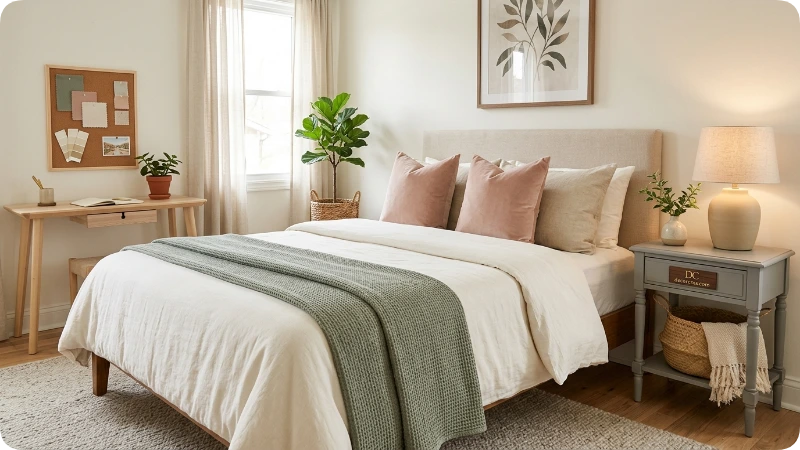
You do not need to buy everything in one shopping trip. Begin with the change that will make the biggest difference to your room’s appearance or daily use.
No Spend Room Refresh
Rearrange furniture, clear unnecessary clutter, restyle your existing bedding, and display artwork or photographs you already own. This is the easiest starting point if you want to improve your room without spending money.
Small Decor Update
Add one or two useful accessories, such as cushion covers, a suitable lamp, a framed print, or a storage basket. This option works well when your room already has functional furniture but needs a clearer color scheme or a little more personality.
Larger Room Refresh
Consider replacing a piece of furniture, updating bedding and curtains together, or adding a rug sized for the available floor area. Prioritize changes that solve an actual problem rather than buying items simply because they look attractive.
Before spending money, identify what is missing. If the room feels disconnected, a consistent color palette may help more than new furniture. If it feels dark, consider lighting and window obstructions. If it feels cramped, address the layout before adding accessories.
Common Decorating Mistakes to Avoid
Even attractive decor can look out of place when it does not suit the room. A few practical checks can help you avoid unnecessary purchases.
- Buying items before choosing a style: Decide on a general color palette first so new pieces work with what you already own.
- Filling every empty surface: Leave some areas clear to give important objects room to stand out.
- Ignoring scale: Tiny artwork can look lost on a broad wall, while oversized accessories can overwhelm a narrow shelf.
- Using only one type of lighting: A single ceiling light may not provide the right illumination for reading, studying, and relaxing.
- Choosing appearance over comfort: A decorative chair or bedding set is not a good choice if it makes the room less comfortable to use.
- Copying an inspiration photo exactly: Your room may have different window positions, furniture dimensions, or natural light. Adapt the idea rather than copying its layout.
- Making permanent changes without permission: Check rental rules before painting, drilling, or installing fixtures.
The aim is not to make your room look like a showroom. It is to create a space that looks considered and works for your everyday routine.
Frequently Asked Questions
How Can I Make My Room Look Aesthetic Without Buying Anything?
Start by clearing unnecessary clutter, rearranging furniture, grouping similar objects, and displaying your favorite photographs or artwork. Restyle your bedding and move accessories from crowded surfaces to places where they can be seen clearly.
How Do I Decorate a Small Bedroom Without Overcrowding It?
Keep the main walking route clear, choose furniture that fits the room, and use wall space for selected artwork or storage. A mirror can help reflect available light when positioned thoughtfully.
What Lighting Works Well in an Aesthetic Bedroom?
Combine suitable general lighting with a desk lamp or bedside lamp. Warm white lighting can create a softer appearance, while brighter task lighting helps with reading and studying. Choose lighting according to what you do in each area.
How Can I Decorate My Room If I Rent?
Use movable furniture, textiles, freestanding lamps, tabletop accessories, and removable wall displays where permitted. Check product instructions and rental rules before applying adhesives or making changes to walls.
Conclusion
Aesthetic room decor ideas work best when color, lighting, texture, and personal details come together. Start with the items you already own, choose a style that reflects your personality, and make small changes that improve your space.
If you prefer a minimalist bedroom, dreamy pastel decor, natural textures, or colorful wall art, focus on balance and everyday comfort. Keep small rooms uncluttered, choose practical lighting, and avoid spending money on decorations that do not serve a purpose.
Your room does not need to follow every trend or look exactly like an inspiration photo. With a thoughtful color palette and a few meaningful details, you can create a personal, attractive room that feels comfortable and works for your daily routine.

I am Claudia Winkle, a passionate Name Researcher and Content Writer at decorcraz.com. I enjoy exploring the meanings, origins, history, and cultural significance behind names from around the world. Through carefully researched and engaging articles, I help readers discover unique names, understand their stories, and find meaningful naming inspiration for every occasion. My goal is to make name research simple, interesting, and useful for readers looking for the perfect name.