Article angle: Choosing animal head wall art by material, visual impact, room, and installation needs rather than simply listing decorative styles.
Animal head wall decor comes in many forms, from geometric wooden deer silhouettes to handwoven elephants, colorful sculptural foxes, and dramatic lion busts. Each creates a different effect, so the right design depends on whether you want a subtle accent, a playful feature, or a strong focal point.
The easiest way to choose is to start with three things: the available wall space, the material that suits your interior, and how much visual attention the piece should attract.
Natural woven designs complement relaxed interiors, while geometric wood and metal work well in more structured spaces. Colorful faux taxidermy sculptures can introduce personality without relying on realistic animal mounts.
Create a Focal Point With a Sculptural Deer Head
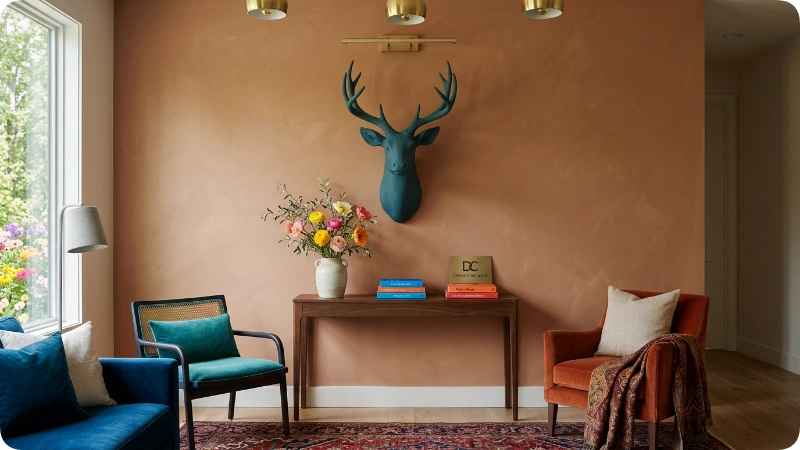
A sculptural deer head gives a wall depth that a flat print cannot. Its ears, face, and antlers create shadows, making it especially effective against a simple painted wall or a restrained wallpaper pattern.
Choose a matte white or ivory piece for a light, contemporary room, or a dark wood look finish when the surrounding furniture has richer tones. A black sculpture can also work against a pale wall when you want a sharper contrast.
How to style it: Center the piece over a console table, sideboard, or fireplace surround, leaving enough open wall around the antlers to preserve its outline. Keep the objects beneath it relatively low so the sculpture remains the main feature.
Best for: Living rooms, entryways, and studies.
Watch out for: Wide antlers can make a small wall feel crowded. Measure the complete width, including the antlers, rather than the width of the animal’s face alone.
Use Woven Animal Heads for Natural Texture

Woven animal heads made from rattan, wicker, straw, or other natural fibers offer a softer alternative to solid sculptural pieces. Their open weave and irregular texture introduce detail without adding a large block of color.
An elephant, deer, or bull head can work particularly well in a bohemian living room, a relaxed dining space, or a neutral bedroom. Pale walls allow the woven pattern to stand out, while wood furniture and linen upholstery help the material feel connected to the rest of the room. Woven animal wall pieces are also available in nursery and safari inspired designs.
How to style it: Hang one medium sized piece above a console or pair a small woven head with understated botanical artwork. If using several, vary their sizes only when the wall has enough space to keep the arrangement legible.
Best for: Boho, rustic, coastal, and natural material interiors.
Watch out for: Natural fibers can collect dust and may be unsuitable for persistently damp areas. Check the care instructions and avoid placing them where moisture is likely to accumulate.
Choose Geometric Wooden Animal Wall Art
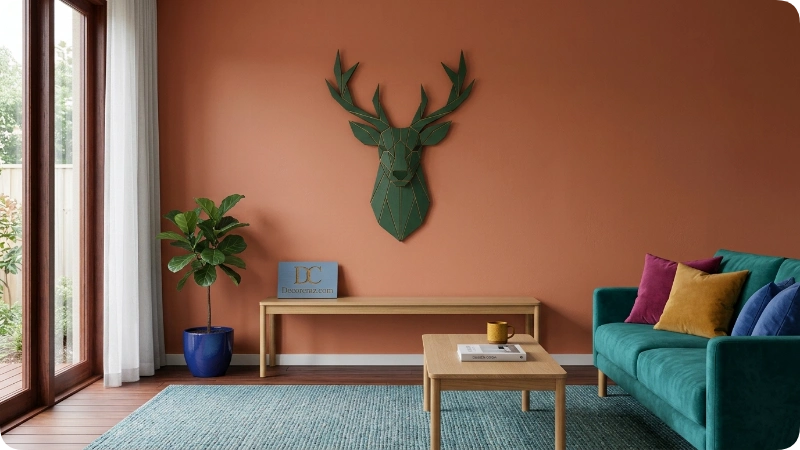
Geometric animal heads turn the familiar outline of a deer, bear, or fox into an arrangement of clean angles and planes. Unlike a realistic sculpture, a flat or low profile wooden design can add a recognizable animal motif without projecting far into the room.
This makes geometric wall art a useful choice for compact homes, narrow hallways, and rooms where people frequently pass close to the wall. Natural wood provides warmth, while black painted wood gives the same angular form a more graphic appearance.
How to style it: Pair a geometric deer head with simple furniture, straight lined shelving, and a restrained color palette. For a more contemporary look, choose a design whose finish repeats a material or color already present in the room.
Best for: Scandinavian, minimalist, modern farmhouse, and contemporary interiors.
Watch out for: Highly intricate designs can lose their impact when surrounded by busy wallpaper or numerous small decorative objects.
Add Color With Whimsical Faux Taxidermy Sculptures
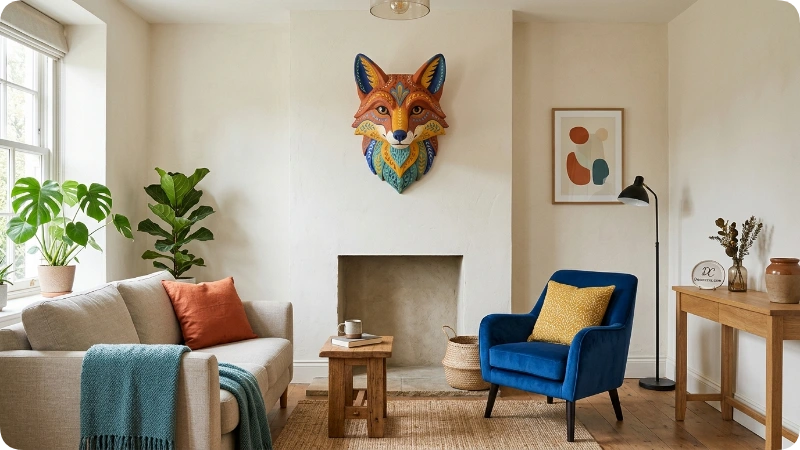
Animal head wall art does not have to resemble a traditional hunting trophy. Painted deer, fox, lion, and other animal sculptures can use unexpected colors to introduce humor and a more artistic mood.
A bright sculpture is especially effective when the rest of the room has a relatively quiet background. One vivid piece can provide enough contrast without requiring an entire gallery wall.
How to style it: Choose one dominant color from the sculpture and repeat it in a cushion, small artwork, or nearby accessory. Keep the surrounding wall simple if the sculpture has elaborate facial details or a multicolored finish.
Best for: Eclectic living rooms, creative workspaces, and personality driven interiors.
Watch out for: Several brightly colored sculptures can compete with one another. If you want a collection, establish a shared feature such as a common color family, similar finish, or consistent spacing.
Bring Safari Inspired Animal Heads Into a Nursery
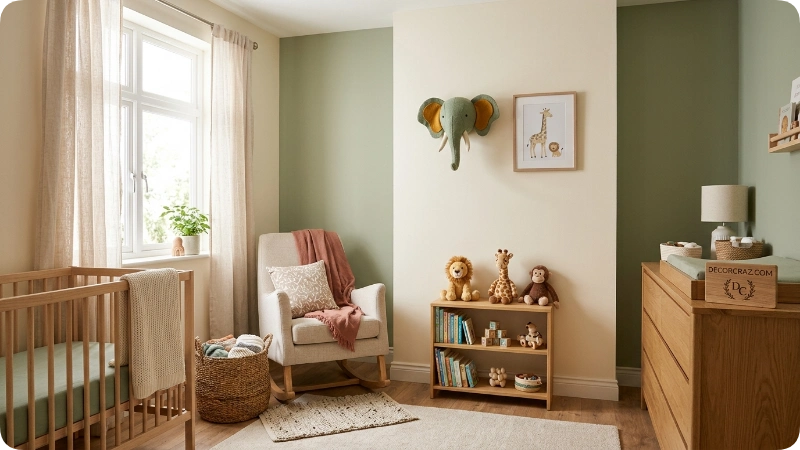
An animal themed nursery can feel imaginative without becoming visually overwhelming. Soft looking giraffes, elephants, lions, and foxes introduce a recognizable theme, while muted colors keep the wall connected to the room’s bedding, storage, and furniture.
Felt or plush look designs suit a gentler aesthetic, while flat wooden animal silhouettes offer a simpler option as the room changes over time. Decorative animal heads are used in nursery and children’s room styling, but their mounting position matters as much as their appearance.
How to style it: Create a small animal themed area above a low book ledge or on a side wall, using one main animal and perhaps a coordinating illustration. Repeat a few colors rather than introducing a separate color for every animal.
Best for: Nurseries, playrooms, and children’s bedrooms.
Safety note: Secure every wall decoration to an appropriate fixing, and keep it away from the crib or bed where it could fall onto a child. Avoid heavy, rigid, or protruding sculptures within reach of young children. Follow the furniture manufacturer’s safe sleep guidance and local child safety recommendations.
Make an Entryway Memorable With a Statement Animal Head
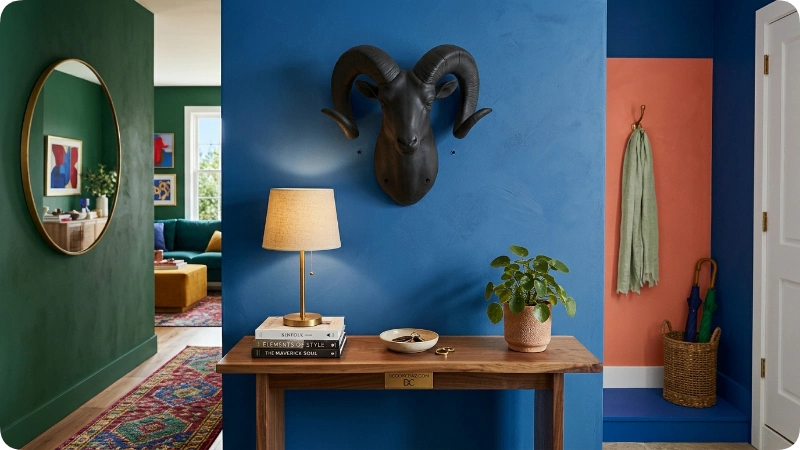
An entryway is a useful place for a decorative animal head because a single sculpture can give a small area a clear identity. A ram, deer, or abstract bull works as a focal point above a narrow console without requiring a collection of frames or shelves.
Choose the form according to the mood you want. A dark ram sculpture feels bold and graphic, while a pale wooden deer is quieter and more natural. A stylized animal head can also complement an eclectic home without making the entryway resemble a themed lodge.
How to style it: Align the sculpture with the console below it and leave clear space around projecting ears or horns. A small bowl or lamp can complete the arrangement, but keep the tabletop useful for everyday items.
Best for: Entry halls, foyers, and compact transitional spaces.
Watch out for: Avoid sharp projections at head height along a narrow walking route. Check both the sculpture’s depth and the direction in which its horns or ears extend.
Use a Metal Animal Head for an Industrial Interior
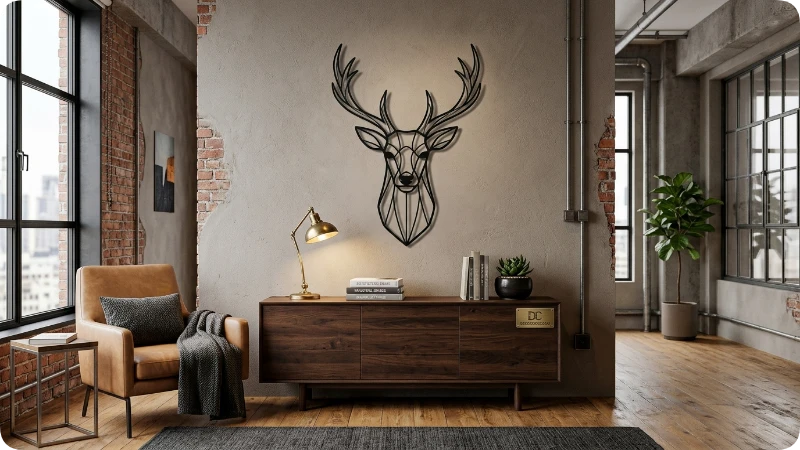
Metal animal head wall art brings a crisp outline and a more architectural quality to a room. Depending on its finish, it can feel industrial, modern, or understated rather than rustic.
Black metal stands out against white plaster or exposed brick. Brass colored finishes can connect with warm lighting and hardware, while thin wireframe designs retain more of the wall behind them and can feel less visually heavy than a solid sculpture.
How to style it: Coordinate the metal finish with existing fixtures or furniture details rather than introducing several competing metallic colors. A single piece above a desk or sideboard is usually easier to read than a dense arrangement of metal objects.
Best for: Home offices, loft style interiors, and modern living rooms.
Watch out for: Metal pieces with sharp edges or projecting horns need careful placement, especially in narrow spaces. Verify the mounting system and the wall’s ability to support the piece.
Build a Coordinated Animal Head Gallery Wall
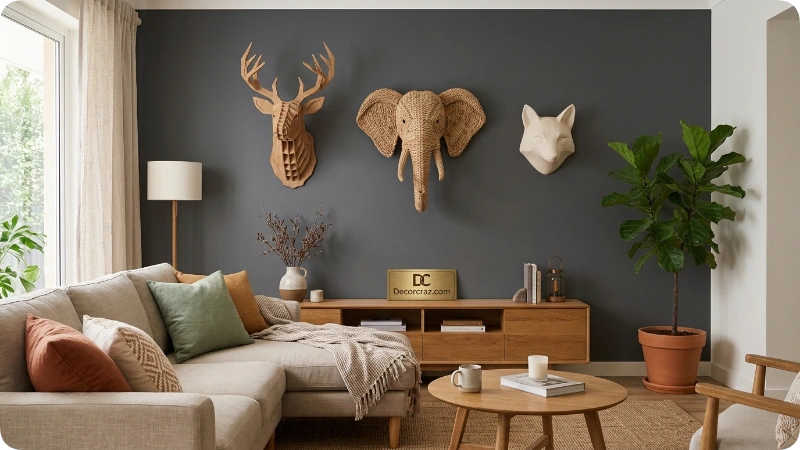
A group of animal heads can create a more playful display than a single sculpture, but the arrangement needs a clear visual connection. That connection might be a shared finish, similar scale, related animal forms, or a limited palette.
For example, three different animals in cream, tan, and muted brown can feel coordinated even when their shapes differ. Alternatively, matching geometric wooden heads can create a cleaner, more orderly arrangement.
How to style it: Arrange the pieces on the floor first, then transfer the layout to the wall. Keep spacing consistent enough for the collection to read as one composition, and consider the group’s total width before choosing its position above furniture.
Best for: Wide living room walls, family rooms, and playrooms.
Watch out for: A large collection can dominate a small wall. If each piece has a strong silhouette, fewer pieces with more breathing room often create a clearer display.
Add a Subtle Animal Accent Above the Bed
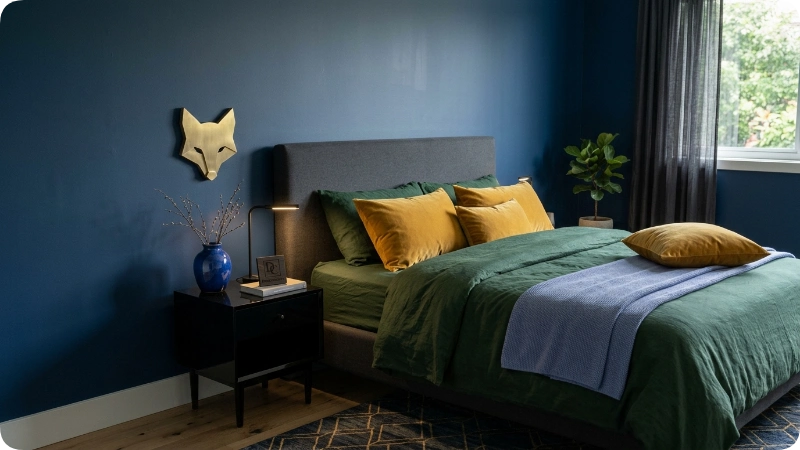
Animal head wall decor can work in a bedroom when its size, finish, and placement support a restful atmosphere. A small ivory deer, a simple wooden fox, or a low profile geometric design can add interest without introducing the visual weight of a large dark sculpture.
The most important decision is where the piece sits. A side wall or a space above a bedroom console can offer the desired effect without placing a heavy object directly above the sleeping area.
How to style it: Coordinate the sculpture with the room’s wood tones, fabric textures, or muted accent colors. If the bedding already has a strong pattern, choose a simpler animal silhouette rather than a highly detailed, brightly painted head.
Best for: Guest bedrooms, adult bedrooms, and relaxed nature inspired interiors.
Watch out for: Do not assume a decorative object is safe above a bed simply because it appears lightweight. Use suitable fixings, check the manufacturer’s installation instructions, and choose a different position if secure mounting is uncertain.
Create a Rustic Feature With a Wooden or Faux Bone Finish
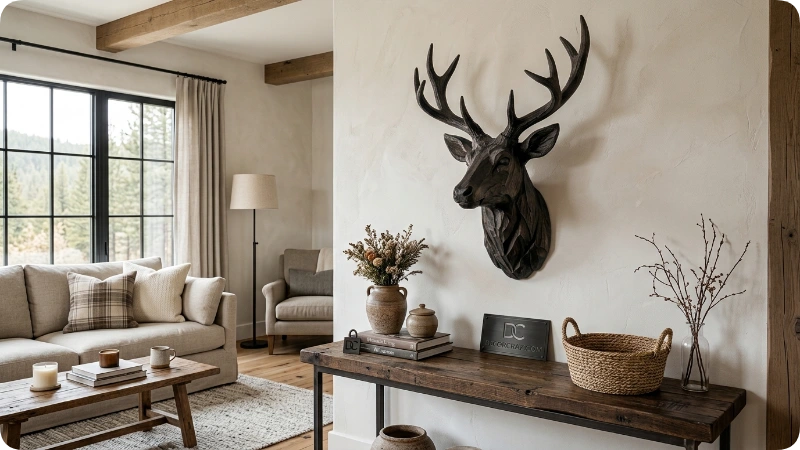
For a rustic or lodge inspired room, an animal head with carved wood texture or a weathered bone look finish can add a sense of craftsmanship. The visual character comes from the surface: grain, carved facets, muted tones, or an intentionally aged finish.
A carved wooden deer suits a room with timber furniture, while a stylized faux bone ram can create a stronger contrast against a plain painted wall. The important distinction is between a finish that complements the room and one that introduces an unrelated theme.
How to style it: Let the sculpture relate to an existing timber finish, woven textile, or other natural surface. Place it above a sturdy console or on a feature wall where its silhouette can be seen clearly.
Best for: Rustic interiors, modern farmhouse rooms, cabins, and eclectic studies.
Watch out for: A realistic trophy style sculpture can make a small, light filled room feel more traditional or theme driven than intended. A simplified silhouette or a lighter finish is a useful alternative.
How to Choose the Right Animal Head Wall Decor
Before buying or hanging a piece, compare its material, visual weight, and installation requirements. A design that looks right in a photograph may not suit your wall or the way your household uses the room.
| Material or style | Best use | Main consideration |
| Wood or MDF | Minimalist rooms, hallways | Check panel size and finish |
| Woven natural fibers | Boho and rustic interiors | Keep away from persistent moisture |
| Resin or ceramic | Sculptural focal points | Check weight and fixing requirements |
| Felt or plush | Soft, playful decorative themes | Secure it safely away from children |
| Metal or wireframe | Industrial and modern spaces | Check edges and projection |
| Painted faux taxidermy | Eclectic, colorful rooms | Coordinate its color with the room |
These are design recommendations rather than universal material rankings. Actual weight, durability, finish, and mounting needs vary by product.
Where should you hang an animal head?
- Above a console: Center the sculpture visually with the furniture and leave space around the silhouette.
- Above a sofa: Account for the full width of ears and horns, not just the central face.
- In a hallway: Prefer shallow designs without hazardous projections into the walking path.
- In a bedroom: A side wall is a practical alternative to hanging a heavy piece over the bed.
- In a rental: Consider lightweight flat profile designs, but check your tenancy rules and the fixing manufacturer’s requirements before installation.
There is no single ideal hanging height for every animal head. The sculpture’s dimensions, the furniture below it, ceiling height, and viewing distance all affect the placement. Prioritize comfortable sightlines and safe clearance.
How to hang animal head wall decor securely
- Check the product’s weight, dimensions, and mounting instructions.
- Identify the wall material and choose compatible hardware.
- Locate a suitable stud or use an appropriately rated fixing for the wall type and load.
- Follow the hardware manufacturer’s installation instructions, including any restrictions for hollow, masonry, or damaged walls.
- Once installed, check that the piece is secure and does not obstruct doors, walkways, or frequently used spaces.
Do not rely on adhesive strips unless the specific product, wall finish, and load are within the manufacturer’s stated limits. Heavy or projecting sculptures may require a more secure mechanical fixing. When uncertain, ask a qualified installer.
Frequently Asked Questions
Is animal head wall decor suitable for modern homes?
Yes. Geometric wooden designs, minimalist resin sculptures, and simple metal animal heads work well in modern interiors. Choose a finish that complements your furniture and wall color.
What materials are best for animal head wall decor?
Wood suits minimalist and rustic rooms, woven fibers add natural texture, resin creates sculptural detail, and metal works well in industrial interiors. Consider the item’s weight, maintenance, and mounting requirements before choosing.
How do you decorate a wall with multiple animal heads?
Choose pieces with a shared color palette, material, or visual style. Arrange them on the floor before hanging, maintain balanced spacing, and leave enough room around each silhouette so the display does not feel crowded.
Can you use animal head wall decor in a small room?
Yes. Flat wooden silhouettes, lightweight-looking wireframe designs, and smaller sculptures can add character without dominating the wall. Measure the full width and projection before choosing a piece.
Is animal head wall decor safe for a nursery?
It can be used with care. Secure decorations with suitable hardware and keep them well away from the crib and areas where a child could reach or pull them down. Avoid heavy sculptures and pieces with sharp projections.
Final Thoughts
Animal head wall decor offers a creative way to bring personality, texture, and character into your home. From geometric wooden deer and woven elephant sculptures to colorful faux-taxidermy designs, the right piece can complement almost any interior style.
Consider your wall size, existing furniture, preferred materials, and the atmosphere you want to create before making a choice. For smaller rooms, choose compact or flat designs, while larger spaces can accommodate bold sculptures or coordinated gallery displays.
Always check the mounting requirements and position decorations safely, especially in nurseries and narrow hallways. With thoughtful placement and a suitable design, animal head wall decor can become a distinctive focal point that feels natural in your space.

I am Claudia Winkle, a passionate Name Researcher and Content Writer at decorcraz.com. I enjoy exploring the meanings, origins, history, and cultural significance behind names from around the world. Through carefully researched and engaging articles, I help readers discover unique names, understand their stories, and find meaningful naming inspiration for every occasion. My goal is to make name research simple, interesting, and useful for readers looking for the perfect name.