Your room should feel like a place where you can relax, study, and express your personality. If your bedroom looks plain or feels a little disorganized, you don’t need to buy new furniture or spend a lot of money to change it.
Small updates, such as colorful bedding, personalized wall art, soft lighting, and creative storage, can make a noticeable difference.
The best cute room decor ideas combine attractive details with everyday comfort. You can choose pastel colors, playful accessories, handmade decorations, or a simple neutral style depending on your preferences.
If you have a small bedroom, a shared space, or a rental room, thoughtful decorating can help you create a space that feels personal without making it crowded.
Choose a Color Scheme You Love
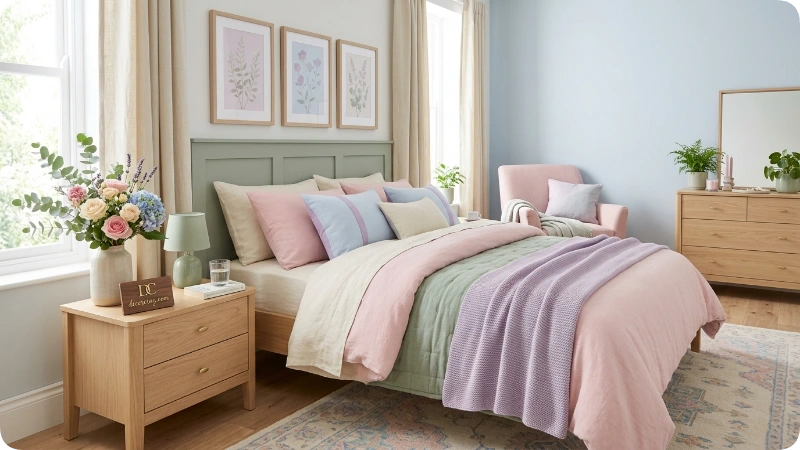
A consistent color scheme is a simple way to make your room look coordinated. Start with two or three colors that complement each other instead of using many unrelated shades.
Pastel pink, lavender, baby blue, cream, and sage green work well for soft, playful rooms. If you prefer a more understated look, consider beige, white, warm gray, and natural wood tones.
Repeat your chosen colors in your bedding, cushions, artwork, and small accessories. This creates a visual connection between different parts of the room.
You don’t have to replace everything to achieve this look. Sometimes, changing a pillow cover or adding a matching picture frame is enough to connect the colors you already have.
Refresh Your Bedding
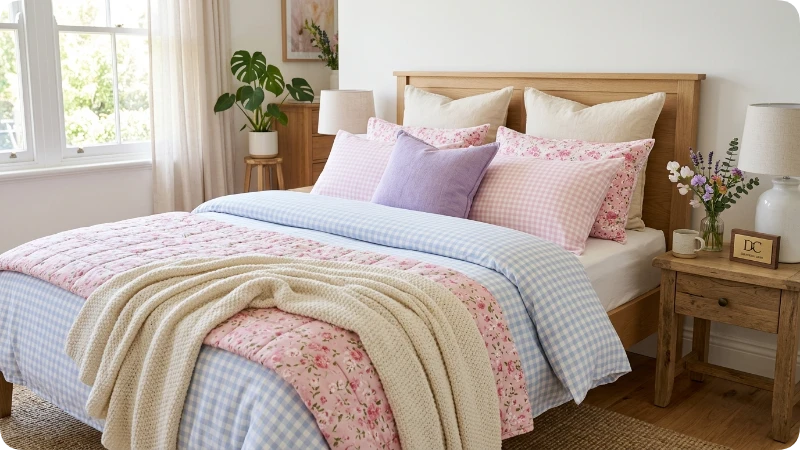
Your bed is often one of the largest features in a bedroom, so updating its appearance can change the overall look of the space.
Choose bedding with a pattern that matches your style. Floral prints, stripes, gingham, stars, and simple pastel designs can all work well. Add one or two decorative cushions and a soft throw if you want more texture.
If your room already has colorful walls or patterned furniture, simple bedding may create a better balance. In a neutral room, patterned bedding can become the main decorative feature.
Before purchasing new bedding, check the size of your mattress and consider how easily the fabric can be washed. Attractive bedding should also be comfortable and practical for everyday use.
Create a Personalized Photo Wall

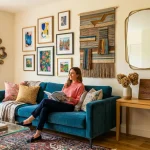
A photo wall is an easy way to make your room feel more personal. Display photographs, postcards, small illustrations, and prints that reflect your interests or favorite memories.
You can arrange pictures in a neat grid for a more organized appearance or create a relaxed collage with different frame sizes. Keeping a consistent color palette can help the arrangement feel connected even when the pictures are different.
For a rental room or dormitory, consider a freestanding photo board or a suitable removable hanging product. Always check the wall surface and product instructions before attaching anything.
Avoid covering every available wall with pictures. Leaving some blank space helps individual photographs and artwork stand out.
Add Soft Lighting
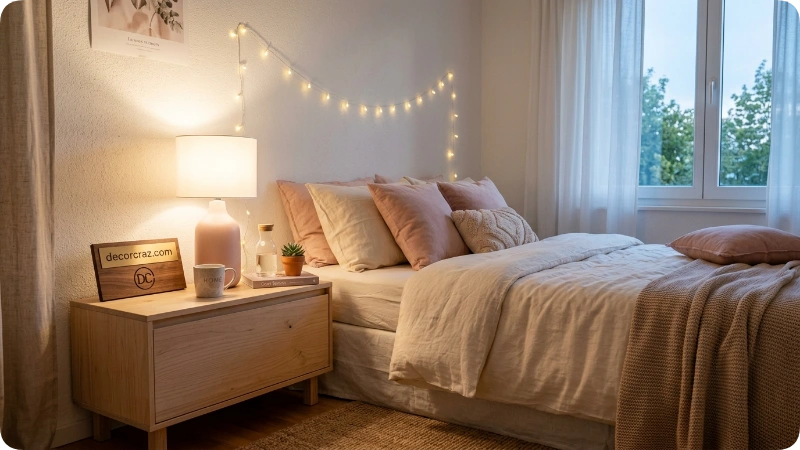
Lighting can change the atmosphere of your room, particularly in the evening. A bedside lamp, desk lamp, or suitable decorative light can provide a softer alternative to relying entirely on overhead lighting.
Warm white light often works well when you want a relaxed evening environment. Choose a lamp that provides enough light for its intended purpose, especially if you use your room for reading or studying.
Decorative string lights can add a playful detail, but use products designed for indoor use and follow their safety instructions. Keep lights away from bedding and curtains, and never use damaged cords.
A small lamp can also become a decorative feature when its shape or color complements your room.
Decorate Your Walls With DIY Art

You can create attractive wall decorations without purchasing expensive artwork. Handmade pieces also give your room a more individual appearance.
Try painting simple shapes on inexpensive canvases, framing your own drawings, creating paper collages, or displaying printed illustrations. Choose colors that already appear in your bedding or accessories.
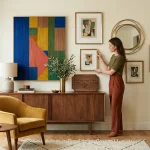
If you prefer a minimal style, one larger artwork may work better than several small pieces. A colorful collection can suit a more creative room, provided the colors and spacing feel intentional.
Before hanging your art, arrange the pieces on the floor to decide how they should fit together. This makes it easier to adjust the layout before putting anything on the wall.
Use Decorative Storage
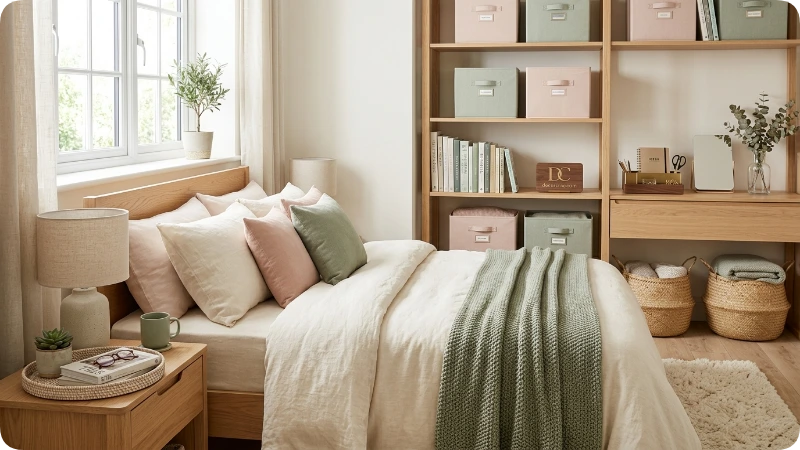
Storage can be both useful and attractive. Baskets, fabric boxes, small organizers, and decorative trays help keep everyday items in their proper places.
Use a basket for spare blankets, boxes for stationery, or a tray for small items on your bedside table. If you have limited floor space, consider underbed storage or organizers that fit inside existing shelves.
Choose storage containers that suit the colors and materials already present in your room. Matching every container is unnecessary, but a few related colors can make an arrangement feel more coordinated.
The most important point is to choose storage according to what you actually need to keep. Decorative containers are less helpful if they take up space without solving a real organizational problem.
Add a Small Plant or Botanical Decor
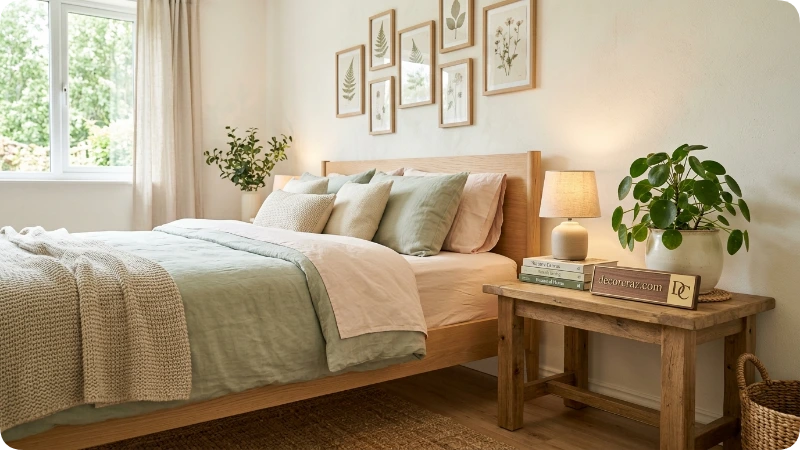
A plant can introduce natural color and texture into a bedroom. Place a small potted plant on a suitable shelf or table if the available light and conditions meet its needs.
If maintaining a live plant isn’t practical, artificial plants and botanical prints offer alternative ways to include natural looking details.
Choose a container that complements your room rather than competing with the plant. A simple ceramic pot or a neutral planter can work well with colorful decor.
Keep water away from electrical equipment, and make sure shelves can safely support the weight of any plant and its container.
Style Your Desk
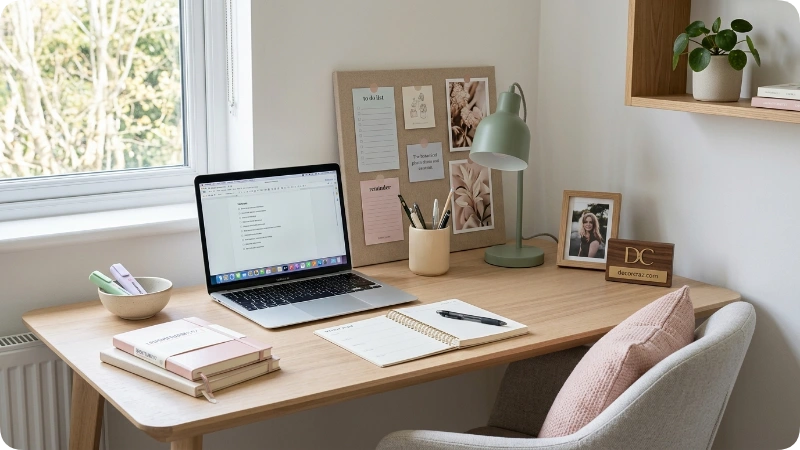
If you study or work in your bedroom, your desk can become part of the overall decor while remaining functional.
Start by organizing stationery, books, chargers, and other everyday supplies. Add a small framed photograph, a pen holder, or a desk lamp that matches your preferred style.
Avoid filling the entire surface with decorative objects. You still need enough room for writing, studying, or using a laptop.
For a colorful look, choose a few coordinated stationery accessories. For a simpler room, neutral organizers and one personal decorative item may be enough.
A tidy desk makes it easier to use the space and prevents your decorations from becoming obstacles.
Make Use of Empty Corners
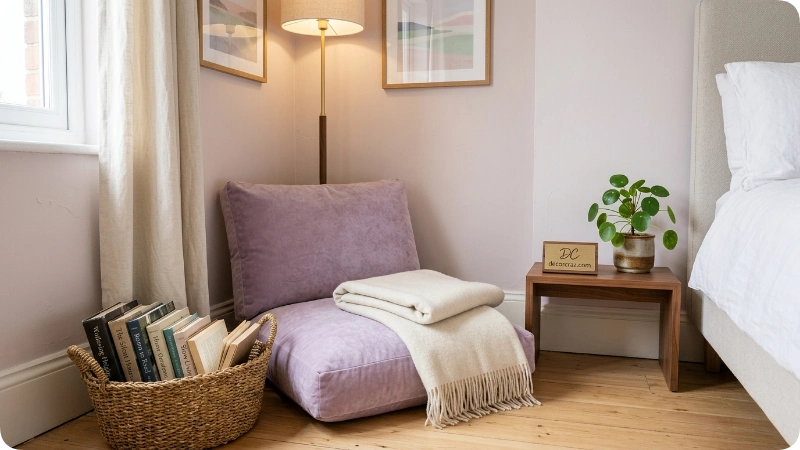
An empty corner doesn’t always need another piece of furniture. First, consider whether you want the area to serve a particular purpose.
A floor cushion and a basket of books can create a small reading spot. A compact hamper can make laundry easier to manage, while a narrow stand can display a favorite object without taking up much floor space.
If your room is small, preserving an open corner may be more useful than adding furniture. Clear walking paths help the space remain comfortable and practical.
Choose decorations according to the available dimensions. Measure the area before purchasing larger objects so they don’t interfere with doors, drawers, or other furniture.
Decorate Shelves With Personal Items
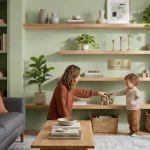
Shelves provide space for books, photographs, souvenirs, and small decorative objects. The key is to arrange them so that each item remains visible.
Start with larger objects, then add smaller items around them. Leave some open space instead of filling every gap.
You can group books together, display a framed illustration, or arrange a few meaningful keepsakes. The arrangement should reflect your interests rather than follow a strict decorating formula.
For wall mounted shelves, use appropriate fixings and follow the manufacturer’s weight limits. Avoid placing unsecured heavy objects above your bed or study area.
Update Your Curtains and Fabrics

Curtains, cushion covers, and throws can connect different parts of your room without requiring major changes.
Choose floral or gingham curtains for a playful look, or use simple solid colors if your bedding already has a busy pattern. Repeating one accent color across curtains and cushions can help the room feel coordinated.
Before buying curtains, measure your window and check whether the fabric provides enough privacy. If you want to keep the room bright, consider how much daylight the material allows through.
You can also change the appearance of your room with existing fabrics. Rearranging a throw or switching cushion covers may be enough to give familiar furniture a different look.
Choose One Playful Statement Piece
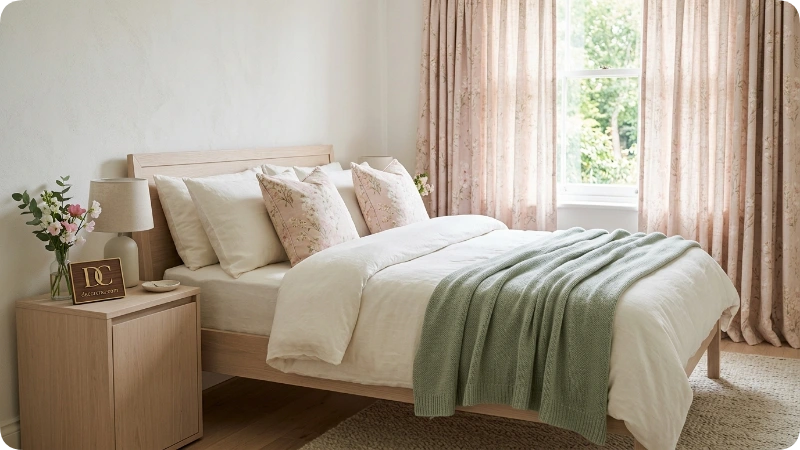
A statement piece is a decorative object that attracts attention. It might be a wavy mirror, a colorful lamp, a patterned cushion, or an unusual framed print.
Choose something that genuinely matches your personality. You don’t need several statement pieces in one small area because they can compete for attention.
For example, a colorful lamp can stand out against neutral furniture, while a decorative mirror may become the main feature of a simple wall.
Before purchasing an accent piece, consider whether it will work with your existing furniture and colors. A carefully selected item can make a stronger impression than many unrelated accessories.
Cute Room Decor Ideas for Small Spaces
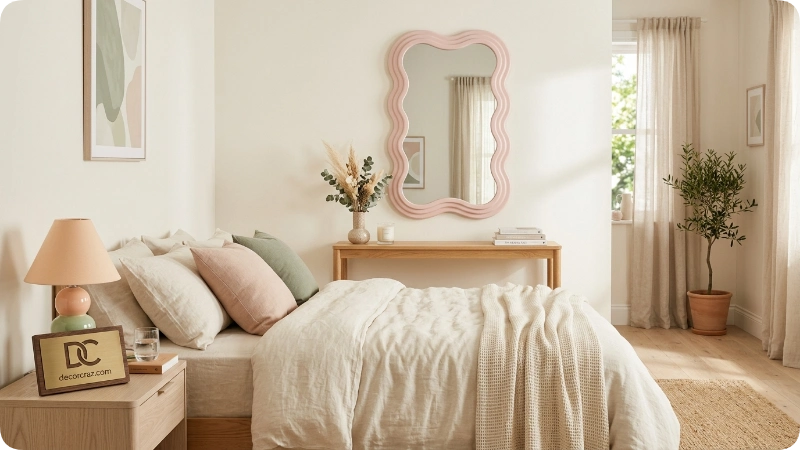
Decorating a small bedroom requires a little more attention to scale and available space. Large furniture and too many accessories can make the room difficult to move around in.
Start with bedding, wall art, and lighting because these can change the appearance of a room without necessarily taking up additional floor space.
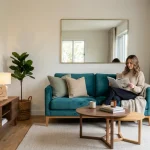
Use vertical space where appropriate, organize belongings inside existing furniture, and keep frequently used surfaces accessible. A mirror may also help a room feel more open when it reflects a pleasant view or available daylight.
Choose compact furniture only when it serves a real purpose. You don’t need a chair, extra table, or decorative shelf simply because it appears in a decorating example.
Cute Room Decor Ideas on a Budget
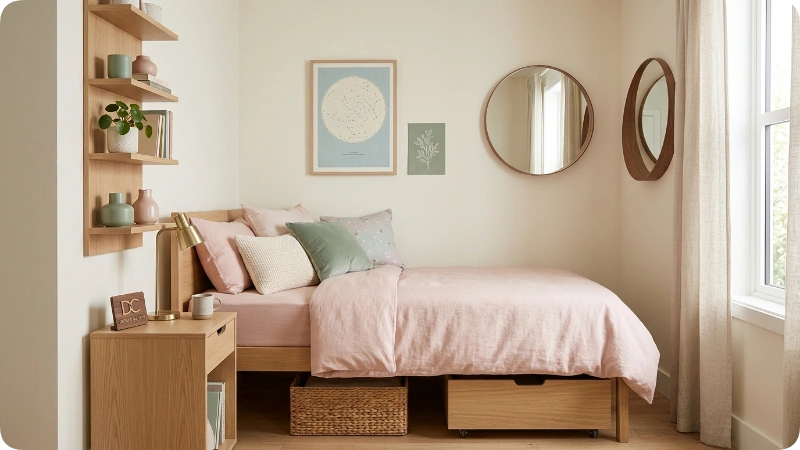
You can create a more attractive room without making a large purchase. Begin with items you already own and decide which changes would make the biggest difference.
Free decorating ideas:
- Rearrange existing decorations and furniture where practical.
- Display photographs or artwork you already have.
- Organize shelves and clear unnecessary clutter.
- Reuse jars, boxes, or containers for suitable storage.
Low cost decorating ideas:
- Make simple artwork using inexpensive materials.
- Change a few cushion covers.
- Print photographs for an existing frame.
- Add a small organizer or decorative tray.
Larger purchases to consider later:
A new rug, curtains, mirror, or lamp may be worthwhile if your room genuinely needs it. Set a budget before shopping and compare measurements, materials, and practical features rather than choosing an item based only on its appearance.
Buying fewer decorations that work together can help you avoid unnecessary spending.
Common Mistakes to Avoid
Using Too Many Colors
Many unrelated colors can make a room feel visually busy. Choose a main palette and repeat selected accents throughout the space.
Filling Every Surface
Decorations need room to stand out. Leave some space on your desk, shelves, and bedside table instead of filling every available area.
Ignoring Functionality
Your bedroom should remain comfortable for sleeping, studying, dressing, and moving around. Choose decorations that support these activities rather than making them harder.
Buying Before Measuring
Check the dimensions of furniture, mirrors, shelves, and curtains before purchasing them. This helps prevent unsuitable items from taking up valuable space.
Forgetting Safety
Use suitable mounting hardware for mirrors and shelves, follow lighting instructions, and avoid placing heavy unsecured objects above areas where you sit or sleep.
Frequently Asked Questions
How can I make my room look cute without spending money?
Start by rearranging existing items, organizing your desk, displaying photographs, and creating a small arrangement from books or keepsakes. Reusing what you already have can refresh your room without adding to your spending.
What colors are good for cute room decor?
Pastel pink, lavender, baby blue, sage green, cream, and white are useful choices. Brighter colors can also work well when they reflect your preferences and complement the other colors in the room.
How can I decorate a small bedroom?
Focus on bedding, wall decorations, suitable lighting, and compact storage. Keep walkways clear and avoid adding furniture that doesn’t serve a practical purpose.
How can I decorate a rental room without damaging the walls?
Use freestanding photo displays, tabletop decorations, and other items that don’t require permanent installation. If you use removable hanging products, check that they are suitable for your particular wall surface and follow the instructions.
Conclusion
Cute room decor ideas can help you create a bedroom that feels personal, organized, and comfortable without requiring a complete makeover.
Start with a color scheme you enjoy, refresh your bedding, display meaningful photographs, and add lighting or storage that suits your everyday needs. If your budget is limited, reuse existing decorations and introduce new pieces gradually.
For a small room, prioritize open space and practical arrangements instead of filling every corner. The best decor choices are the ones that reflect your personality and make your room easier to enjoy every day.

I am Claudia Winkle, a passionate Name Researcher and Content Writer at decorcraz.com. I enjoy exploring the meanings, origins, history, and cultural significance behind names from around the world. Through carefully researched and engaging articles, I help readers discover unique names, understand their stories, and find meaningful naming inspiration for every occasion. My goal is to make name research simple, interesting, and useful for readers looking for the perfect name.