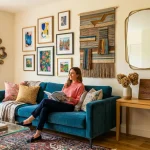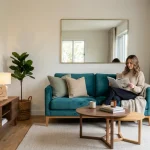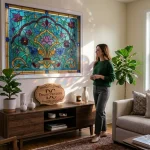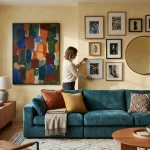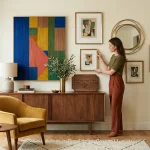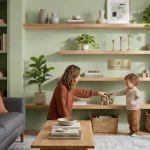
You do not need expensive furniture or a complete room makeover to create a space that feels personal. Small changes, such as handmade wall art, decorated pillow covers, creative storage, and repurposed materials, can make a room feel fresh without stretching your budget.
The best DIY room decor ideas combine creativity with practicality. Before starting a project, consider what your room needs most. You might want to decorate a blank wall, organize a messy desk, add color to a plain bedroom, or create a comfortable reading corner.
Looking for DIY room decor ideas that are easy, affordable, and creative? These DIY room decoration projects can help you refresh blank walls, personalize your bedroom, organize your desk, and add color to your space without buying expensive furniture. From handmade wall art and fabric decorations to simple storage organizers, you can find room decoration ideas that match your style, budget, and skill level.
If you live in a rented apartment, a dorm room, or your own home, start with simple projects that fit your space and skills. Reuse materials you already have, choose colors that complement your furniture, and complete one area before moving to another.
Start With a Simple Plan Before Making Decor
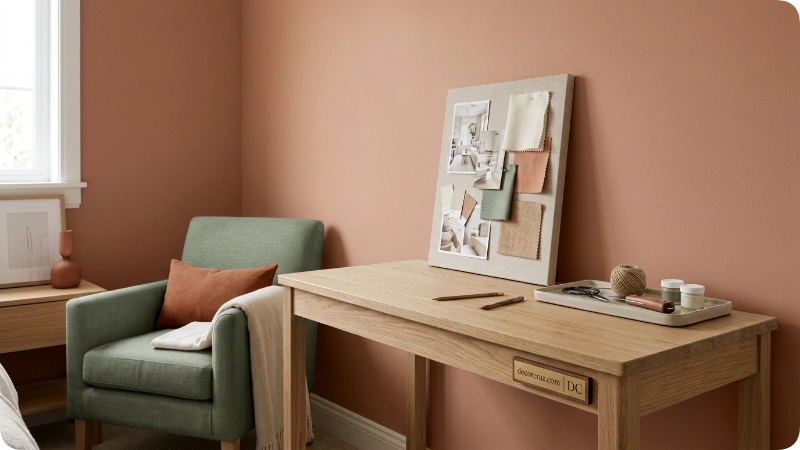
Look around your room and identify one area that feels unfinished. It could be the wall above your bed, an empty desk corner, a plain bedside table, or a shelf that collects clutter.
Choose a DIY project based on that problem rather than making decorations simply because the materials are inexpensive.
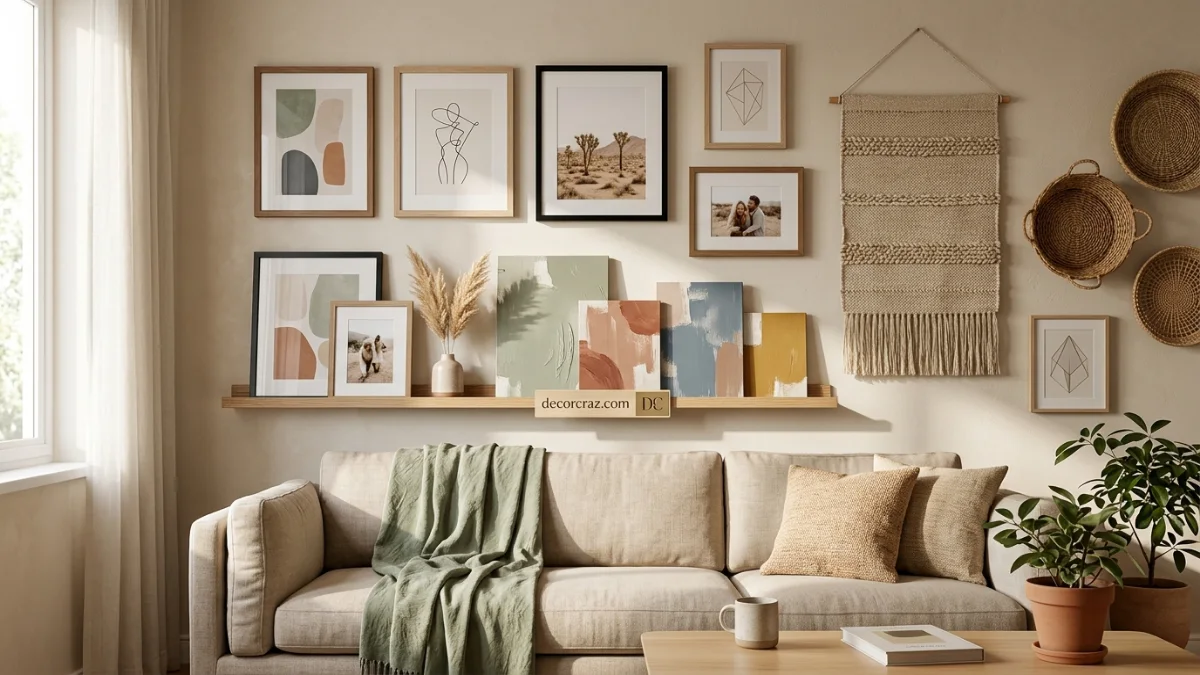
- For a blank wall: Create a small gallery of personal photographs, drawings, or abstract artwork.
- For a plain bedroom: Update existing pillow covers or make a simple fabric decoration.
- For a cluttered desk: Create organizers from clean, sturdy containers.
- For an empty corner: Arrange a small table, a lamp, and a framed print.
- For a rental room: Use freestanding decorations and removable display options suitable for the surface.
Choose two main colors and one accent color to help your projects look connected. For example, cream, sage green, and muted terracotta can work together across artwork, fabric, and small accessories.
The goal is not to fill every empty space. It is to make your room feel more organized, attractive, and comfortable.
Make DIY Wall Art That Matches Your Style
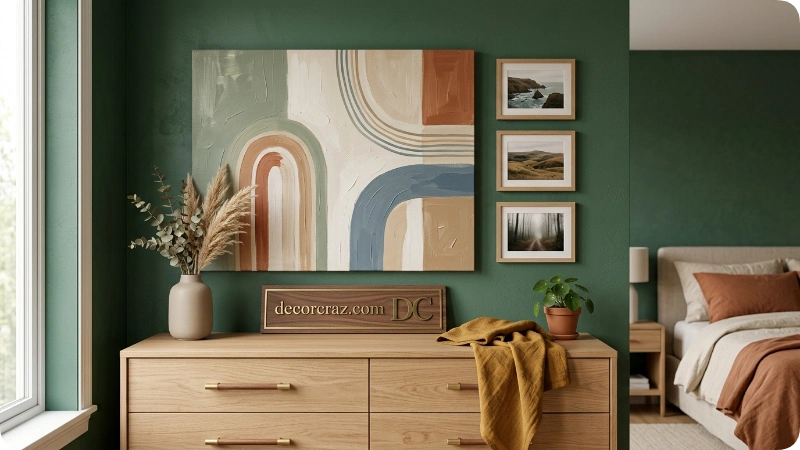
Wall art is one of the easiest ways to change a room’s appearance without replacing furniture. It gives an empty wall a focal point and allows you to introduce colors that complement your existing decor.
Create Your Own Abstract Canvas
You can make simple artwork with a blank canvas, acrylic paint, and a few brushes. Choose two or three colors that already appear in your bedding, curtains, or furniture.
Paint simple arches, curved lines, geometric shapes, or broad color blocks. You do not need advanced painting skills to create an interesting design.
How to make it:
- Sketch your design lightly with a pencil.
- Apply the lightest color first.
- Let the paint dry before adding contrasting shapes.
- Allow the finished artwork to dry completely before displaying it.
A larger canvas can create a focal point above a bed or dresser. For a narrow wall, two smaller pieces arranged vertically may work better.
Make a Personal Photo Display
Print photographs of meaningful memories, favorite places, or family moments. Arrange them in lightweight frames or display them on a suitable board.
Mix photographs with simple illustrations to make the arrangement feel more personal. Before hanging anything, lay out the pieces on the floor to check their spacing.
For rental rooms, consider freestanding displays or suitable removable hanging products. Always check the wall finish and the product’s weight limits.
Decorate Walls Without Permanent Changes
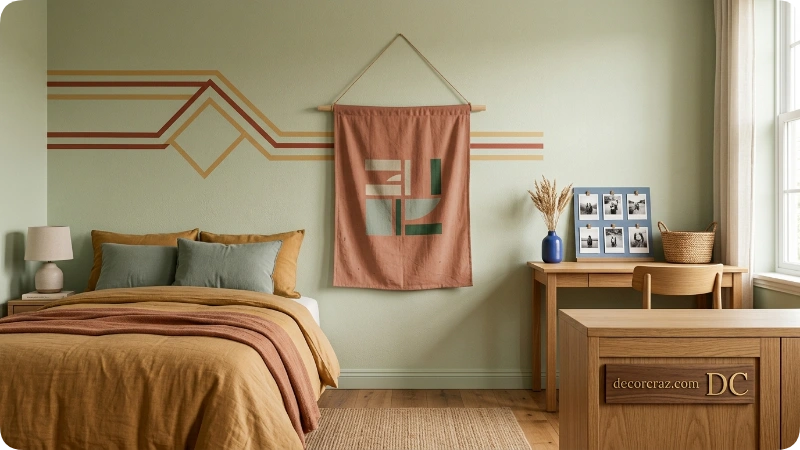
If you cannot paint or drill into your walls, focus on decorations that can be moved or removed when necessary. This approach is useful for rented bedrooms, dormitories, and shared spaces.
Try Washi Tape Wall Designs
Washi tape can create simple geometric patterns, borders, or decorative outlines around posters and prints.
Use a ruler and pencil to plan the arrangement before applying the tape. Start with a small design rather than covering an entire wall.
Test the tape in an inconspicuous area first because some surfaces may still be damaged by adhesive.
Create a Fabric Wall Hanging
Use patterned cotton, an old scarf, or leftover fabric to introduce color and texture.
Choose a fabric that complements your room, fold its top edge around a lightweight wooden dowel, and secure it with stitching or suitable fabric adhesive. Display it using a secure, appropriate support.
This project works particularly well when a wall feels empty but you do not want to add more framed pictures.
Keep fabric decorations away from heaters, candles, and hot fixtures. Check your rental agreement before installing wall coverings or attachments.
Transform Plain Pillow Covers With Fabric

Decorative pillows can change the appearance of a bed, chair, or sofa without requiring new furniture. Updating existing covers is also an affordable way to experiment with colors and patterns.
Use Fabric Paint or Simple Stitching
Start with a plain pillow cover, fabric paint or embroidery thread, and a simple design. You could add small leaves, abstract dots, geometric patterns, or a contrasting border.
Follow these steps:
- Wash and dry the cover according to its care instructions.
- Place cardboard inside to prevent paint from reaching the opposite side.
- Apply fabric paint using a stencil or a simple freehand design.
- Let the paint dry and follow the manufacturer’s curing instructions.
- Wash the finished cover according to the product label.
If you enjoy sewing, add embroidered lines or contrasting fabric patches instead.
Keep the pattern proportional to the pillow. A larger, simple motif is easier to see from across the room, while smaller patterns can work well on compact cushions.
Turn Everyday Containers Into Useful Desk Decor
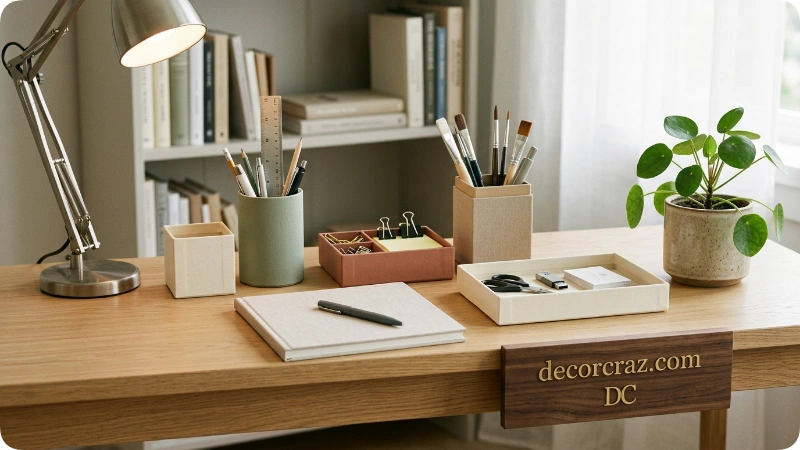
Decorations become more useful when they also solve a practical problem. Reusing containers can organize stationery, makeup brushes, craft supplies, and small everyday items.
Make a Matching Organizer Set
Collect clean, sturdy containers in different sizes. Cardboard boxes can hold lightweight supplies, while stable containers can organize pens, brushes, and other small objects.
- Cover a cardboard box with decorative paper or fabric.
- Paint a suitable container in a color that matches your room.
- Add labels to distinguish different supplies.
- Arrange the containers on a tray to keep the desk organized.
A consistent color across several containers helps reused materials look like part of a planned design.
Avoid sharp edged cans, cracked glass, and containers that can tip easily. Use paints suitable for the material and allow them to dry fully in a well ventilated area according to the manufacturer’s instructions.
Give an Old Mirror or Frame a New Look

An old mirror or picture frame may already have the right shape but an outdated finish. Refreshing its appearance can connect it to your existing furniture without buying a replacement.
Refresh a Plain Picture Frame
Remove the artwork and clean the frame according to its material. Paint a wooden frame in a complementary shade or decorate a suitable frame with cord or other lightweight materials.
For a natural appearance, use cotton cord or jute. For a more modern look, choose a simple solid paint color.
Style a Mirror Thoughtfully
A mirror can reflect daylight and make a room feel visually more open. Position it where it reflects a window, a pleasant view, or an attractive part of the room.
For heavier mirrors, use a suitable mounting system secured to an appropriate wall structure. Do not rely on ordinary decorative adhesive to support a heavy object.
If you cannot mount a mirror safely, choose a stable freestanding option.
Make a Fabric or Yarn Wall Hanging
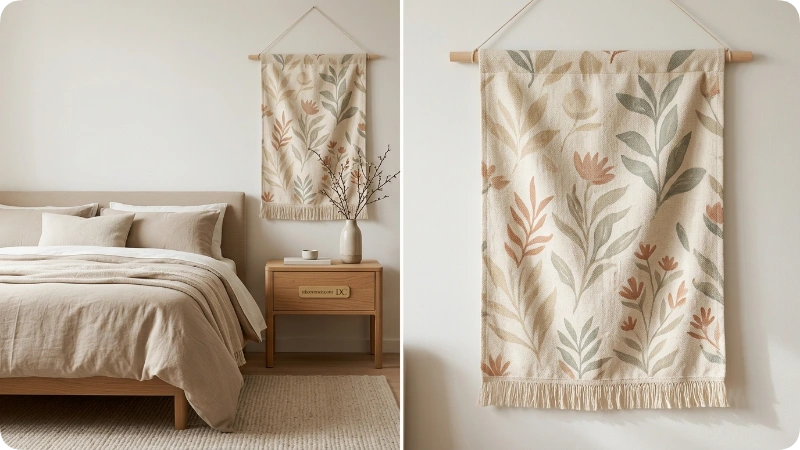
A handmade wall hanging adds texture to a room with plain walls and simple furniture. Its woven or knotted surface creates visual interest without relying on additional colors or framed artwork.
Create an Easy Yarn Wall Hanging
You need yarn, scissors, and a lightweight wooden dowel.
- Cut several strands of yarn to similar lengths.
- Fold each strand in half and attach it to the dowel with a simple loop.
- Repeat until the dowel has the fullness you want.
- Trim the ends into a straight line, a shallow V, or an asymmetrical shape.
- Add contrasting strands if the design needs more color.
This project is suitable for beginners because you can adjust the shape as you work.
For a small room, a narrow hanging can add interest without competing with furniture. In a larger space, a wider piece may provide better visual balance.
Keep textile decorations away from open flames and hot fixtures, and use a secure display method.
Refresh a Lampshade or Create a Soft Lighting Corner
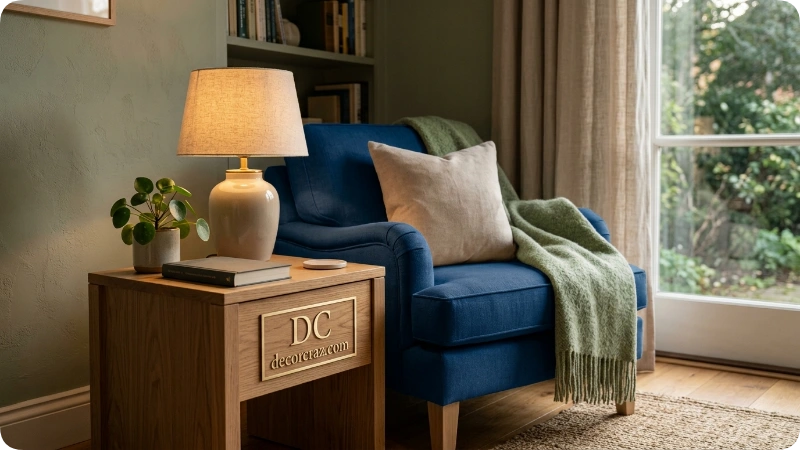
Lighting affects how colors, fabrics, and furniture appear throughout the day. A room with only one bright overhead light may feel less flexible than a room with separate lighting for studying and relaxing.
Instead of building an electrical project, improve the appearance of a lamp you already own.
Customize an Existing Lampshade
Choose a lampshade designed for your lamp and light source. If you want to decorate it, use materials specifically suitable for that shade and compatible with its heat requirements.
Do not cover ventilation openings, place paper or fabric near a hot bulb, or attach flammable decorations unless the manufacturer explicitly permits them.
Arrange a Useful Lighting Corner
Place an existing table lamp on a stable surface beside a chair or desk. Add only the objects needed for that activity, such as a book or a small organizer.
A suitable warm toned bulb can make a corner feel visually softer in the evening. Always follow the fixture manufacturer’s recommendations for bulb type and wattage.
Battery powered LED lights can also provide decorative accents when their wiring and batteries are in good condition.
Build a Decorative Display From Reused Wood
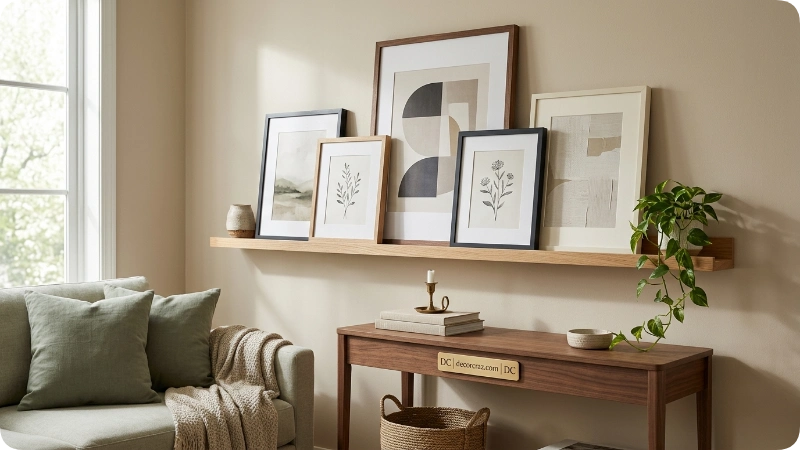
Reused wood can introduce a natural finish into a room, especially when most existing surfaces are smooth or painted. A small tabletop display or freestanding organizer is a practical starting point for beginners.
Make a Freestanding Display Shelf
Use a stable wooden crate or a suitable small shelf that can sit securely on a desk or dresser.
- Sand unfinished wood carefully to remove rough surfaces and splinters.
- Apply a finish suitable for indoor furniture.
- Allow the finish to cure completely according to the product instructions.
- Arrange lightweight books, small framed art, or useful supplies on the shelf.
You can leave the wood natural, paint it to match the room, or use a finish that complements nearby furniture.
Avoid damaged pallets or reclaimed wood of unknown suitability for indoor use. Do not mount a heavy DIY shelf overhead unless it is properly designed and secured with suitable hardware.
For renters, a freestanding display can provide storage without requiring holes in the wall.
Add Greenery With Handmade Planters

Plants introduce natural shapes and color, while handmade pots help connect greenery to the rest of your room’s design.
Decorate Existing Plant Pots
Use plain terracotta pots or suitable outer containers. Paint simple stripes, dots, arches, or a solid color that complements your decor.
Let the finish dry and cure according to the product instructions. Keep drainage holes clear, and use a saucer to protect furniture from water.
If you reuse a container that was not designed for plants, check its suitability and provide appropriate drainage. Alternatively, keep the plant in its original nursery pot and place it inside a decorative outer pot.
Choose the Right Location
Place plants where their light requirements can be met without blocking a window or desk. Smaller plants may suit a narrow windowsill, while larger plants need a stable surface and enough room around them.
If live plants are impractical, a carefully chosen artificial plant can provide a similar decorative shape without watering.
Create a Personalized Reading or Study Corner
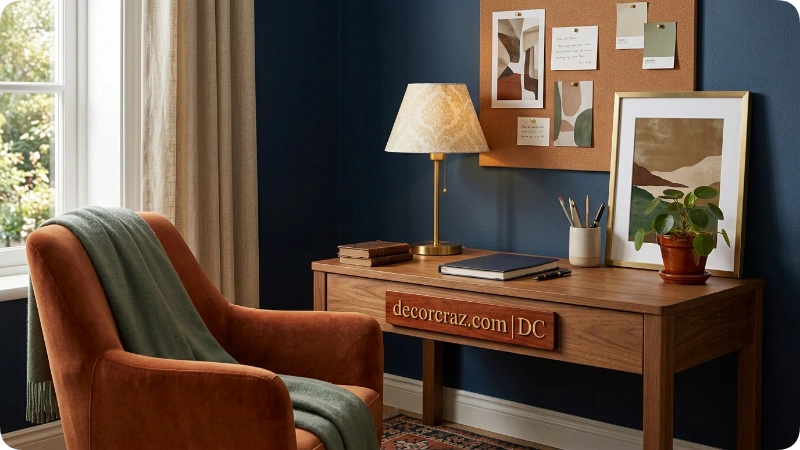
A small corner can serve a clear purpose without requiring a separate room. You might use it for reading, studying, drawing, journaling, or another hobby.
Start with a surface you already own and add only the items that make the area more useful.
Make a Simple Inspiration Board
Use a corkboard or another suitable display board to collect drawings, printed pictures, notes, and small reminders.
Arrange the contents around a central image or theme. Leave some open space so individual pieces remain easy to see and replace.
If you cannot attach a board to the wall, place it securely on a desk or use a freestanding display.
Organize the Corner Around Its Purpose
- For studying: Keep frequently used stationery within reach.
- For reading: Make room for a lamp and your current book.
- For drawing: Use a container for pencils and a folder for unfinished work.
- For journaling: Keep a notebook and a small tray for supplies.
This type of DIY room decor makes the space more personal while improving how you use it every day.
How to Choose the Best DIY Room Decor Project
Not every project suits every room. The right choice depends on your budget, available materials, experience, and if you can make permanent changes.
| Your Situation | Best Starting Project | Main Advantage |
| Very small budget | Reused jars or cardboard organizers | Uses materials you may already have |
| Blank bedroom wall | Canvas art or a photo display | Creates a clear focal point |
| Rental or dorm room | Freestanding decor or a tabletop board | Avoids many permanent alterations |
| Limited floor space | Fabric wall hanging or compact desk organizer | Uses vertical or existing surface space |
| Old furniture looks tired | Updated frames or fabric covers | Refreshes existing items |
| Need better organization | Desk containers or a small display shelf | Combines decoration with storage |
Treat these suggestions as a starting point rather than strict rules. For example, a wall display may work in one rental but be unsuitable in another if the wall finish is fragile or the lease restricts attachments.
How to Make DIY Decor Look Coordinated

Handmade items do not need identical finishes to work together. They need a visual connection.
Choose a limited color palette. Repeat a few colors in artwork, fabric, and accessories. This helps separate projects feel related.
Match the scale to the space. A tiny picture may disappear on a broad wall, while a large decorative object can overwhelm a narrow desk. Check the available area before making or displaying anything.
Balance decoration with open space. Shelves and tabletops need room for practical use. Leave some surfaces clear instead of filling every gap.
Consider texture as well as color. Smooth painted frames, woven fabric, and natural wood can complement one another because their surfaces differ.
Finish projects properly. Remove loose threads, smooth rough edges, clean paint marks, and check that objects are stable before displaying them.
A coordinated room usually comes from repeating a few thoughtful choices, not from making every item look the same.
Common DIY Room Decor Mistakes to Avoid
- Starting too many projects at once: Finish one area first so you can judge if the room needs anything else.
- Choosing materials before deciding on a purpose: A project is more useful when it solves a specific problem.
- Ignoring the wall surface: Adhesives, paint, and mounting hardware can damage unsuitable surfaces.
- Making decor difficult to clean: Choose washable covers and accessible storage where possible.
- Using unstable displays: Keep heavy objects on appropriate supports and secure furniture that could tip.
- Overdecorating small surfaces: Too many tiny objects can make a desk or shelf harder to use.
- Skipping drying and curing time: Follow product instructions before using or displaying a finished project.
A successful DIY project should improve the room without creating more work, clutter, or unnecessary expense.
Frequently Asked Questions
What is the easiest DIY room decor project for beginners?
A painted canvas, decorated photo frame, or simple desk organizer is a good starting point. These projects use accessible materials and do not require major changes to the room.
How can I decorate my room without damaging the walls?
Use freestanding displays, tabletop decorations, and lightweight decor that does not require wall attachment. If you choose removable adhesive products, check the manufacturer’s instructions, your wall finish, and any rental restrictions first.
How can I make my room look better without buying new furniture?
Rearrange existing items, refresh pillow covers, make your own artwork, organize visible clutter, and reuse containers as storage. These changes can improve the room’s appearance without replacing its main furniture.
Which DIY decorations work best in a small room?
Compact organizers, appropriately sized wall art, fabric hangings, and decorations that also provide storage are useful choices. Avoid projects that take up valuable desk space or obstruct doors, windows, and walking paths.
Conclusion
DIY room decor ideas are a simple and affordable way to transform your space without buying expensive furniture or decorations. From handmade wall art and customized pillow covers to creative storage solutions and decorative plant pots, small projects can make your room feel more personal and organized.
The best part is that you can use materials you already have and choose designs that match your style, budget, and available space. If you live in a rental or have a small bedroom, start with easy, removable decorations that do not require permanent changes.
Focus on one area at a time, experiment with colors and textures, and avoid adding unnecessary clutter. You do not need professional skills to create a beautiful room. With a little creativity and thoughtful planning, you can turn ordinary items into unique decorations that reflect your personality and make your room feel like home.

I am Claudia Winkle, a passionate Name Researcher and Content Writer at decorcraz.com. I enjoy exploring the meanings, origins, history, and cultural significance behind names from around the world. Through carefully researched and engaging articles, I help readers discover unique names, understand their stories, and find meaningful naming inspiration for every occasion. My goal is to make name research simple, interesting, and useful for readers looking for the perfect name.